
EU Launches Pan-Arctic Cable to Bypass US and China in New Arctic Strategy
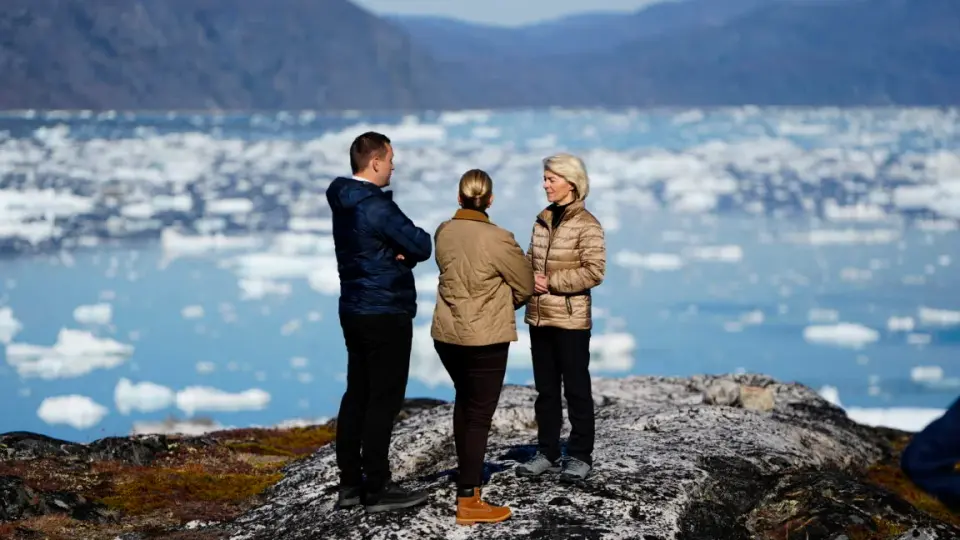
The European Union has unveiled a new Arctic strategy centered on the Pan-Arctic Cable, a subsea internet link designed to connect Europe to Greenland, Canada, and eventually Asia while bypassing the United States and China. This initiative, backed by €119 million in initial funding, reflects a shift toward security-driven infrastructure to mitigate geopolitical risks and cable sabotage threats.
Key points
- The EU Commission published a new Arctic strategy on October 20, 2026, highlighting the Pan-Arctic Cable as a flagship project for sovereign connectivity.
- The cable aims to link Europe to Greenland, with future extensions to Canada, Japan, and South Korea, explicitly avoiding US and Chinese waters.
- The EU has invested €119 million to advance Greenland’s connectivity and support the cable’s development through the Connecting Europe Facility Digital program.
- The strategy introduces a 'northern neighbourhood' concept, prioritizing partnerships with like-minded nations such as Canada and the UK while conditioning US involvement on shared values.
- The EU plans to establish an Arctic Cable Hub and Maritime Security Center to monitor, protect, and repair undersea infrastructure against sabotage and surveillance.
Background
This development follows a period of strained US-EU relations, including trade wars and disputes over Greenland, which culminated in a September 2026 trilateral security agreement. The new strategy marks the EU’s fifth Arctic policy since 2008 and the first since 2021, reflecting a pivot from climate-focused cooperation to security-centric infrastructure in response to Russian and Chinese threats to undersea cables.
How outlets are covering it
Ars Technica emphasizes the cable’s role in bypassing the US and China, highlighting geopolitical shifts in internet infrastructure. The Conversation notes a significant shift in the EU’s Arctic strategy, with 'security' mentioned 52 times compared to 23 in 2021, while 'climate change' mentions dropped from 30 to 14. IUCN welcomes the strategy’s focus on Indigenous rights and biodiversity but criticizes the removal of the 2021 commitment to ban Arctic hydrocarbon development. NewsCord highlights the technical and legal challenges of routing the cable through the Bering Strait, noting jurisdictional obstacles and the exclusion of Chinese manufacturers from the supply chain.
Why it matters
The Pan-Arctic Cable represents a strategic pivot in global internet infrastructure, prioritizing geopolitical alignment over commercial efficiency. It underscores the growing risks to undersea cables from state actors and the EU’s move to secure its digital sovereignty in a fragmented Arctic landscape.
What to watch
The EU will likely expand its icebreaker fleet and enhance monitoring systems to support the cable’s installation and maintenance. Further negotiations with Canada and other 'northern neighbourhood' partners may determine the cable’s route and timeline, while the EU may face pressure to restore stricter environmental and hydrocarbon restrictions in the Arctic.
- As US ties fray, Europe plans first undersea cable link to Greenland Ars Technica
- EU’s new Arctic strategy signals shift in its geopolitical mindset The Conversation
- IUCN calls for nature and people to guide implementation of the EU Arctic Strategy International Union for Conservation of Nature
- Ursula Von Der Leyen Urges Europe To Rethink Arctic Strategy With Pan-Arctic Submarine Cable: what 8 outlets left out NewsCord
- [Arctic Maritime Strategy] The Economics of North Atlantic Security: Energy, Infrastructure and Defense Investment https://economy.ac/
Want the full story? Read the original reporting
Read on Ars Technica