
UK 'Black Sky' plans hinge on FM radio as grid resilience targets face scrutiny
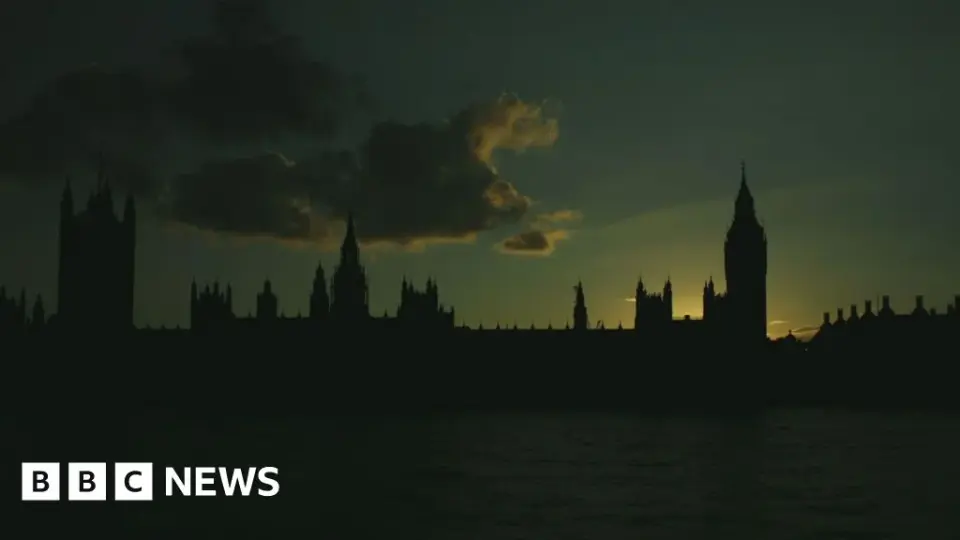
The UK government’s 'Be Ready' campaign urges households to stockpile three days of supplies to withstand a 'Black Sky' event, a prolonged power outage that disrupts water, communications, and food. The BBC has revealed its own contingency plan, relying on FM radio and generator-backed transmitters to broadcast emergency guidance independent of the internet. While the National Energy System Operator aims to restore 60% of regional demand within 24 hours, recent audits have highlighted gaps in emergency response plans, particularly regarding food supply and essential services.
Key points
- The 'Be Ready' campaign, launched in October 2022, advises citizens to store three days' worth of water, food, and power banks to prepare for severe weather or cyber-attacks.
- The BBC’s emergency protocol involves a dedicated studio using FM radio, satellite phones, and diesel generators to operate for at least 72 hours without internet or resupply.
- The National Energy System Operator must demonstrate the capability to restore 60% of demand in each region within 24 hours and 100% across Great Britain within five days by December 31, 2026.
- A September 2026 audit found that many emergency response plans tested were inadequate, particularly regarding food supply continuity, despite previous exercises like 'Mighty Oak' in 2023.
- The 2015 Lancaster blackout, caused by flooding, affected 61,500 people and demonstrated the failure of digital infrastructure, leaving only copper landlines and FM radio functional.
Background
The concept of a 'Black Sky' event refers to a wide-area power outage severe enough to cascade into failures in water, sewage, and communication systems. The 2015 Lancaster incident, where floodwater knocked out a substation, served as a primary case study for civil contingency planning. While the UK has historically relied on robust grid infrastructure, recent global blackouts, such as the April 2025 outage in Spain and Portugal, have intensified focus on 'black start' capabilities and backup communication systems. The UK is currently transitioning away from copper landlines, scheduled for shutdown in January 2027, which experts argue may reduce resilience during future crises.
How outlets are covering it
The BBC and Open Magazine emphasize the critical role of FM radio as a reliable fallback, noting that the BBC’s emergency plan relies on generator-backed transmitters to bypass internet dependencies. The i Paper offers a personal, experiential perspective, highlighting the practical difficulties of surviving a simulated 24-hour blackout, such as the lack of heating and the psychological impact of isolation. While the government asserts the grid is resilient, Lord Harris of the National Preparedness Commission criticizes the shift to digital emergency communications, warning that losing backup systems like copper landlines increases vulnerability. Open Magazine notes that while restoration targets are set, a 2026 audit revealed significant gaps in the readiness of essential services like food supply.
Why it matters
As the UK moves away from legacy infrastructure like copper landlines and reviews the future of FM radio, the reliability of emergency communication becomes a critical national security issue. The 'Be Ready' campaign shifts the burden of resilience to individual households, but the effectiveness of this strategy depends on the grid’s ability to restore power quickly. With audits revealing inadequate response plans for food and water, the gap between government targets and operational reality poses a significant risk during severe weather or cyber-attacks.
What to watch
The National Energy System Operator must meet its December 31, 2026, deadline to demonstrate the capability to restore 60% of regional demand within 24 hours. The government is also developing High Altitude Pseudo-Satellites to provide emergency connectivity, with £70m allocated for this initiative. Meanwhile, the public is expected to continue stockpiling supplies as the 'Be Ready' campaign gains traction, though experts urge a focus on community support and robust backup communication systems.
- What happens if the internet goes down? BlackSky - the UK's emergency backup plans BBC
- Here’s what I wish I’d prepped during my 24-hour blackout The i Paper
- BBC emergency plans for UK ‘Black Sky event' with ‘3 days of food and fuel' AOL.co.uk
- What Is ‘Black Sky’ and Why Is the UK Preparing for Days Without Power? Open Magazine
- UK ‘black sky event’ warning as expert explains item every household should have LADbible
Want the full story? Read the original reporting
Read on BBC