
Coordinated Cyberattack Disrupts Refrigeration Systems Across European Supermarkets
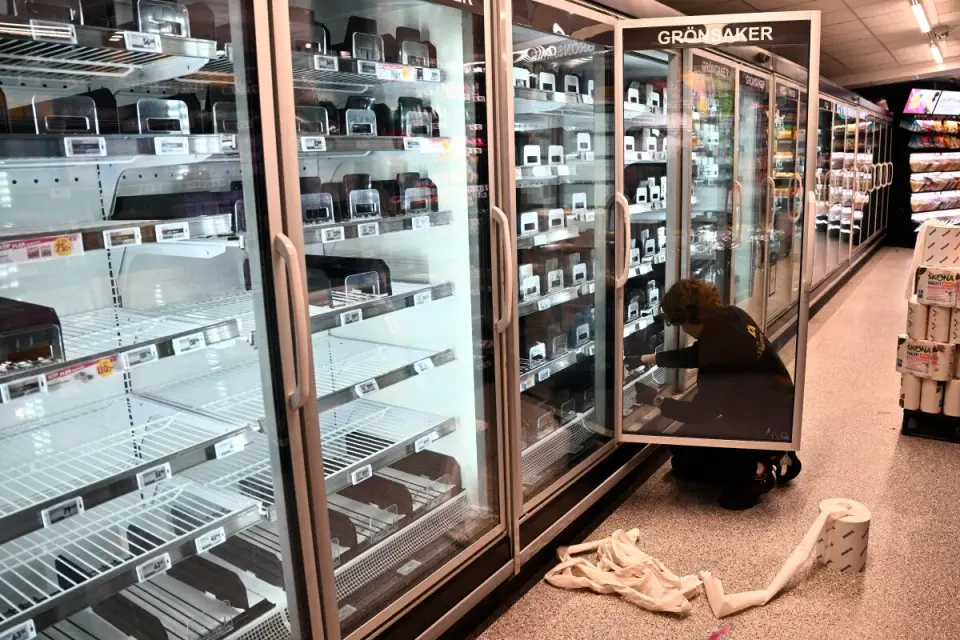
A suspected cyberattack disrupted refrigeration systems in supermarkets across Sweden, Belgium, Luxembourg, Ireland, and Estonia on November 1, 2026. The incident forced temperatures in freezers to spike to 50 degrees Celsius, causing significant food spoilage and temporary product shortages. This event mirrors a similar attack on French stores in October and highlights vulnerabilities in legacy cooling software.
Key points
- Supermarkets in five European countries experienced simultaneous failures in their refrigeration and freezing systems on Monday.
- In Sweden, an ICA Kvantum store reported its freezers were hacked and set to 50 degrees Celsius, forcing staff to discard affected products.
- Belgian retailer Delhaize confirmed an IT incident affected several dozen stores, while Carrefour reported 15 of its 700+ Belgian stores were impacted.
- Ireland’s Musgrave Group stated that 13 SuperValu stores were affected, with chilled and frozen products removed from sale as a precaution before the incident was resolved.
- Estonian refrigeration firm Kitman Coldtech confirmed attackers accessed a client’s control system, raising temperatures to 50 degrees Celsius, though the issue was resolved within minutes.
Background
This incident follows a major cyberattack in October 2026 that targeted refrigeration systems in hundreds of French supermarkets and independent stores. Previous coverage indicates that these attacks exploit legacy software from Danish manufacturer Danfoss, a vulnerability that experts warn requires physical hardware modifications to fix, as software updates alone are insufficient. National security agencies in Belgium and Sweden are currently monitoring the situation, while EU officials are urging stronger cybersecurity measures for critical infrastructure.
Why it matters
The recurrence of these attacks across multiple countries demonstrates that the vulnerability in legacy refrigeration software remains unresolved and exploitable. The incident highlights the fragility of critical infrastructure in the retail sector, where cyber threats can have immediate physical consequences, such as the spoilage of perishable goods and temporary disruptions to food supply chains.
What to watch
Retailers are currently in the process of replenishing chilled and frozen ranges in affected stores. Authorities in Belgium and Sweden are investigating the incidents, and experts continue to emphasize the need for physical hardware upgrades to secure legacy systems against future attacks.
Want the full story? Read the original reporting
Read on AP News