
European Supermarket Freezers Hit by Second Wave of Cyberattacks
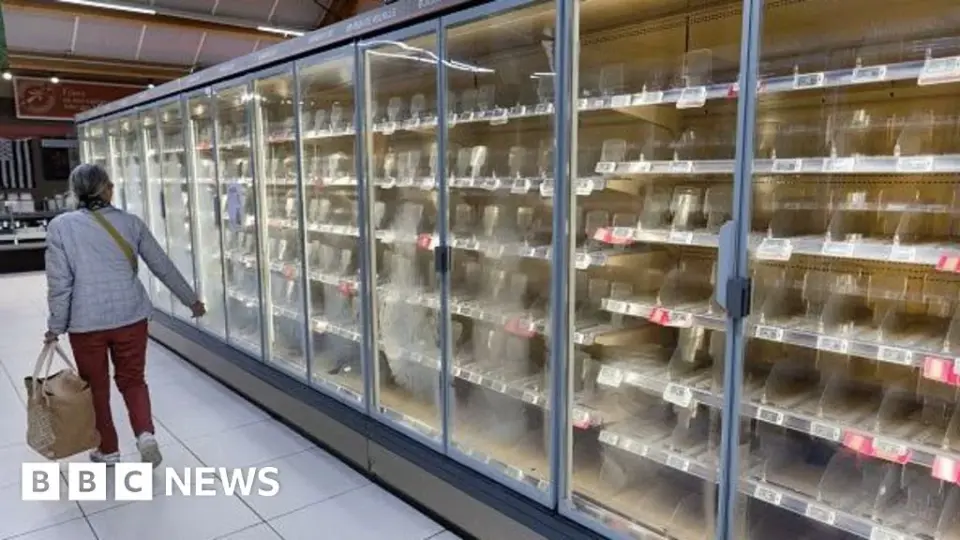
A suspected cyberattack disrupted refrigeration systems in supermarkets across seven European countries on November 2, 2026, causing temperatures to spike and spoiling food. The incident follows a similar attack in France in October and highlights vulnerabilities in internet-connected industrial hardware. While no group has claimed responsibility, experts warn that legacy software and lack of updates leave critical infrastructure exposed to state-sponsored or opportunistic hackers.
Key points
- Supermarkets in Belgium, Sweden, Luxembourg, Ireland, Estonia, and the Netherlands reported cyberattacks on their fridges and freezers on November 2, 2026.
- Temperatures in affected units rose to as high as 50C (122F), forcing retailers to discard perishable goods and disrupt food supplies.
- The attack appears to target legacy refrigeration software, specifically from Danish manufacturer Danfoss, which was also implicated in a large-scale incident in France in October 2026.
- No hacker group or state actor has claimed responsibility, but analysts suggest the motive could be state-sponsored sabotage or a demonstration of capability.
- UK retailers have not been directly affected but are working with the National Cyber Security Centre (NCSC) to secure their systems, as over 800 exposed refrigeration interfaces were identified in the UK.
Background
This is the second major wave of cyberattacks targeting European supermarket refrigeration systems in 2026. In October 2026, a coordinated attack hit approximately 700 French supermarkets, causing temperatures to spike from -27C to over 50C, resulting in fires and tens of millions of euros in losses. The October incident exploited outdated firmware and default passwords, highlighting critical gaps in industrial security. The current November 2 attack mirrors the October event, suggesting a persistent vulnerability in the same type of internet-connected hardware.
How outlets are covering it
BBC emphasizes the broader vulnerability of internet-connected devices, from domestic appliances to industrial machinery, and notes that UK law has required minimum cybersecurity standards for smart devices since April 2024. The Guardian focuses on the attribution challenge, noting that no hacktivist or ransomware group has claimed responsibility, and suggests state-based actors like Russia or China are likely suspects due to the psychological impact on food supplies. NBC News highlights the specific retailers affected, including Carrefour, ICA, and Coop, and notes that the attacks caused temperature spikes and spoiled food, with no clear motive or perpetrator identified. All sources agree that the attacks expose critical gaps in the security of operational technology, but they differ in emphasis: BBC on general IoT security, Guardian on geopolitical attribution, and NBC on the immediate retail impact.
Why it matters
The attacks demonstrate that cyber threats can have physical consequences, such as spoiling food and disrupting supply chains, which can affect public confidence and food security. They highlight the need for stronger cybersecurity standards for industrial and operational technology, as well as the importance of regular software updates and multi-factor authentication. The incidents also raise concerns about the vulnerability of critical infrastructure to state-sponsored or opportunistic hackers, potentially leading to broader geopolitical tensions.
What to watch
Retailers and cybersecurity agencies are expected to continue investigating the attacks and implementing stronger security measures, including patching legacy software and enforcing stricter access controls. The EU and national governments may introduce new regulations or guidelines to improve the cybersecurity of critical infrastructure. Experts will likely call for greater transparency from manufacturers and retailers regarding the security of their internet-connected systems. The situation may also lead to increased scrutiny of state-sponsored cyber activities in Europe.
- If hackers can take control of a supermarket freezer, how vulnerable is other tech? BBC
- New cyberattack on supermarket fridges sweeps across Europe Reuters
- Who is hacking Europe’s supermarket fridges and freezers, and why? The Guardian
- Shop freezers in seven European countries hit by cyber-attack BBC
- Supermarkets across Europe hit by new fridge cyberattacks NBC News
Want the full story? Read the original reporting
Read on BBC