
Nvidia Lobbied Taiwan Officials Over Employee’s Chip Smuggling Indictment
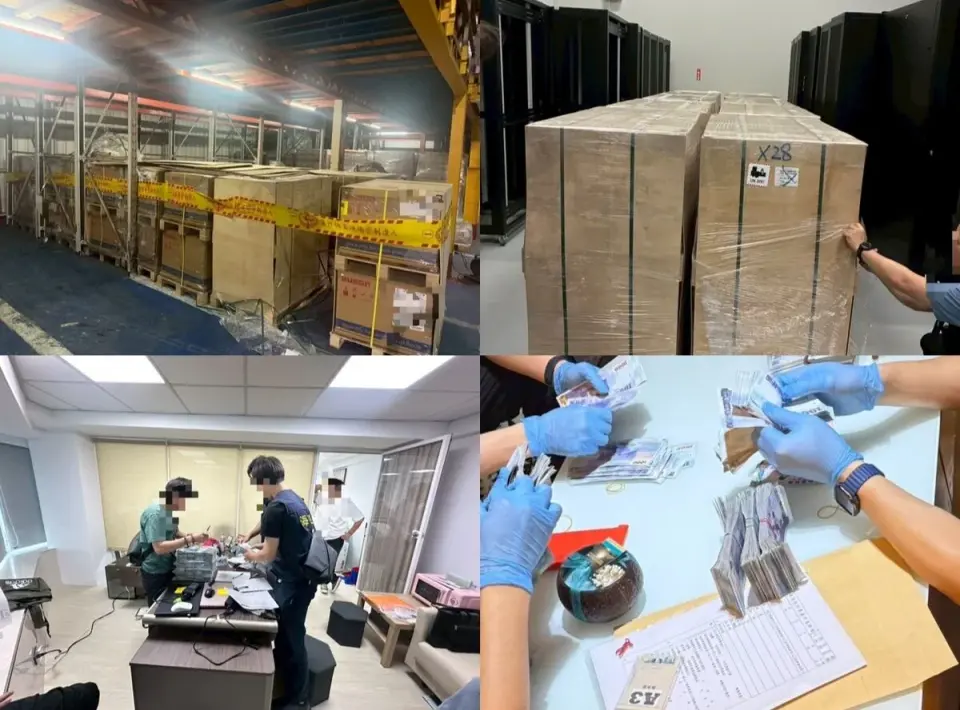
Nvidia contacted Taiwanese political officials to express concerns regarding the arrest and indictment of a manager accused of facilitating the smuggling of AI servers to China. While the company stated it investigated the matter and found no evidence of employee knowledge, prosecutors allege the manager forged documents to approve the sale of 130 servers, 74 of which were diverted to China for an alleged profit of $21.2 million.
Key points
- Nvidia expressed concerns to Taiwanese political officials about the July arrest of a manager surnamed Chang, who was indicted in August on charges of forgery and breach of trust, according to people familiar with the matter.
- Taiwanese prosecutors described Chang as the 'core figure' in a network that allegedly smuggled 74 servers containing Nvidia B300 chips to China, with an alleged illegal profit of $21,205,531.
- The company stated it investigated the matter thoroughly and found no indication that its employee knew of the diversion effort, adding that it engaged with authorities to provide information and look after its employee.
- Prosecutors allege that Chang hid the fact that the buyer’s data center lacked the power and bandwidth for 130 servers and falsely claimed an on-site audit had been completed to secure approval for the order.
- The Keelung District Prosecutors Office is seeking the statutory maximum of five years in prison for Chang and three others, while the remaining 56 servers in the order were seized by Taiwan’s Coast Guard in May.
Background
This case follows a series of high-profile export control violations involving Nvidia chips, including the recent resignation of CEO Jensen Huang amid allegations linking him to Megaspeed, a firm suspected of smuggling chips to China. Earlier this year, the US Department of Justice indicted the CEO of Earthmade Computer for smuggling over $300 million in Nvidia GPUs, highlighting ongoing tensions between US enforcement efforts and Nvidia’s compliance stance. The current case in Taiwan underscores the complexity of global supply chain controls, where violations of US export restrictions are prosecuted under local laws such as breach of trust and forgery.
How outlets are covering it
Bloomberg and The Next Web report that Nvidia actively lobbied Taiwanese political officials, with The Next Web noting that Nvidia representatives disagreed with the charges and argued the manager should not be under investigation. However, Taiwanese officials, including a spokesman for the Keelung prosecutors, stated they had no role in the case and were unaware of Nvidia’s contacts. FourWeekMBA highlights the structural implications, noting that the case turns on Nvidia’s own compliance rules, such as whitelists and on-site inspections, which prosecutors allege were bypassed. While Bloomberg focuses on the political intervention, FourWeekMBA emphasizes the financial scale, calculating an alleged profit of approximately $287,000 per server resold. The sources agree on the core facts of the indictment but differ in emphasis, with Bloomberg and The Next Web focusing on the corporate response and FourWeekMBA on the compliance framework and financial details.
Why it matters
The case raises questions about how major tech firms handle internal compliance failures and their interactions with foreign governments in export control disputes. It highlights the risks associated with AI chip supply chains and the potential for internal employees to bypass strict controls, such as whitelists and on-site inspections, to facilitate illicit trade. The outcome may influence future regulatory scrutiny of Nvidia’s compliance practices and the enforcement of export controls in key markets like Taiwan.
What to watch
The case will proceed through the Taiwanese court system, where the defendants are accused but presumed innocent. Nvidia may face further scrutiny from regulators and the public regarding its compliance controls and its interactions with Taiwanese officials. The outcome could set a precedent for how tech companies handle internal investigations and government relations in export control cases. Additionally, the case may influence future legislative efforts to strengthen export controls on AI chips in the US and other countries.
- Nvidia Sought Taipei’s Help Over Employee’s Chip Smuggling Case Bloomberg.com
- Nvidia defends employee in Taiwan AI chip smuggling case (NVDA:NASDAQ) Seeking Alpha
- Nvidia pressed Taiwan officials over its indicted manager The Next Web
- Nvidia (NVDA) Seeks Reassessment of Employee Case Amid Export Co GuruFocus
- Report: Nvidia Sought Taipei’s Help in $21M Chip Server Case FourWeekMBA
Want the full story? Read the original reporting
Read on Bloomberg.com