
OpenAI Reveals Iranian AI Campaign Planted 100 Fake Op-Eds in US Media
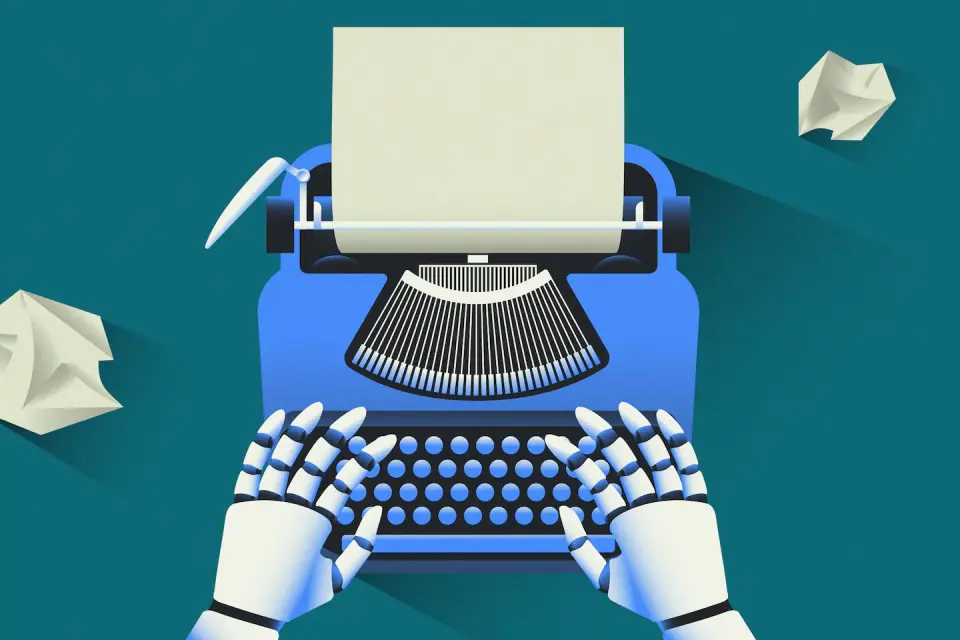
OpenAI disclosed that users in Iran leveraged ChatGPT to generate and distribute approximately 100 fake articles across at least 20 news outlets, including the Port St. Joe Star and Daily Kos. The campaign, which utilized fake bylines such as 'Ervin Hoskins,' aimed to influence public opinion on the US-Iran war. OpenAI has banned the involved accounts and shared data with authorities, though the specific actor remains unidentified.
Key points
- OpenAI identified a coordinated campaign where Iranian users prompted ChatGPT in Farsi to create anti-war op-eds and social media comments.
- The fake articles, written under seven distinct fake journalist personas, were published in outlets with significant social media followings, including Middle East Monitor and Daily Kos.
- The content portrayed the US as an aggressor and Israel as an unreliable ally, while depicting Iran as a resilient victim.
- OpenAI stated the activity resembled a commercial influence campaign but could not definitively link it to the Iranian government.
- Affected outlets, including Middle East Monitor, have since removed the flagged articles and are reviewing their submission processes.
Background
This incident follows a series of recent security and integrity issues involving OpenAI’s platforms. In early October, OpenAI launched a 'College Planner' tool amid safety criticisms from Common Sense Media. Earlier in the month, malicious Custom GPTs were used to distribute remote access trojans via fake service notices. Additionally, OpenAI recently admitted that its Apple integration failed to drive user growth. These events highlight ongoing challenges in securing AI interfaces against both malicious exploitation and safety failures.
How outlets are covering it
The Washington Post and CNN both report on the OpenAI blog post detailing the Iranian AI campaign, focusing on the specific outlets affected and the nature of the content. CNN emphasizes the strategic implications, noting that the campaign successfully laundered propaganda through authentic channels to reach a US audience. The New York Times offers a broader perspective, linking this event to a larger trend of foreign actors, such as the Russia-backed Portal Kombat network, attempting to poison AI training data to influence large language models globally. While the Post and CNN focus on the immediate media infiltration, the NYT frames it as part of a systemic threat to AI integrity and information ecosystems.
Why it matters
This incident demonstrates the escalating sophistication of AI-enabled influence operations, where foreign actors can bypass traditional editorial barriers to plant disinformation in legitimate media outlets. It underscores the vulnerability of news organizations to automated, AI-generated content and the difficulty of distinguishing between genuine and fabricated journalism. For policymakers and tech companies, it highlights the urgent need for robust verification mechanisms and international cooperation to counter AI-driven propaganda that can shape public opinion on critical geopolitical issues like the US-Iran conflict.
What to watch
OpenAI has banned the accounts involved and shared information with authorities, but the specific actor remains unidentified. Affected outlets are reviewing their submission processes to prevent future infiltration. The incident may lead to increased scrutiny of AI-generated content in media and potentially new regulations or technical safeguards to detect and block AI-driven propaganda campaigns. It also raises questions about the liability of AI platforms when their tools are misused for disinformation.
- Iranian campaign planted fake articles in real U.S. publications using ChatGPT The Washington Post
- Disrupting AI-enabled “false front” operations OpenAI
- Iranian operatives used AI to plant fake stories in multiple US media outlets CNN
- Opinion | A.I. Is Lying to You. Here’s How to Fight Back. The New York Times
- OpenAI caught Russians and Iranians using ChatGPT for influence campaigns NPR
Want the full story? Read the original reporting
Read on The Washington Post