
Second Wave of Cyberattacks Hits European Supermarket Fridges, Spoiling Food
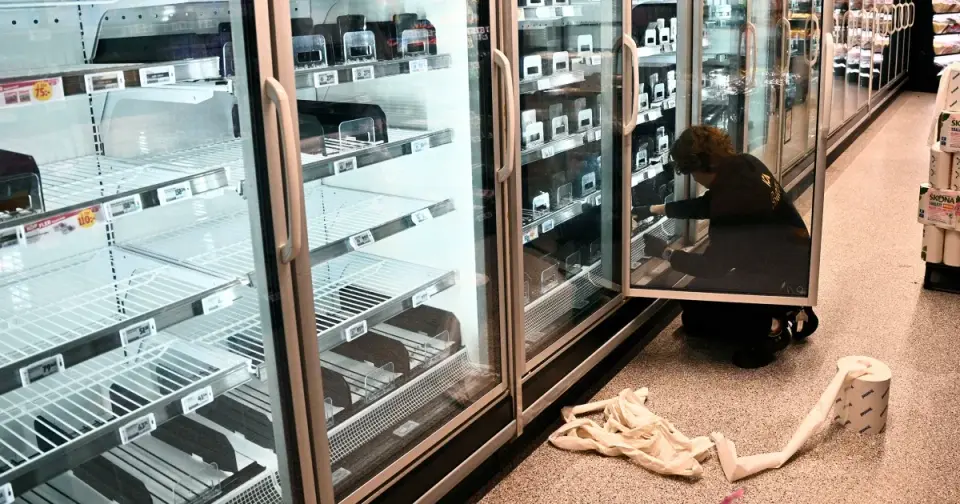
A new wave of cyberattacks targeted refrigeration systems in supermarkets across Belgium, Sweden, Ireland, Luxembourg, Estonia, and the Netherlands on November 2, 2026. The incidents, which forced temperatures to spike to 50°C (122°F), resulted in significant food waste and temporary store closures. This follows a similar attack on French supermarkets in October, highlighting ongoing vulnerabilities in legacy cooling software.
Key points
- Over 100 stores across six European countries reported refrigeration failures on November 2, 2026.
- Attackers manipulated evaporators into defrost mode or directly altered temperature controls, causing freezers to reach 50°C.
- Major chains including Ahold Delhaize, Carrefour, ICA, and Coop confirmed incidents, with some reporting losses exceeding €100,000 per store.
- The European Commission described the attacks as a deliberate attempt to disrupt food supply and undermine consumer confidence.
- No group has claimed responsibility, though the incidents mirror a previous October attack on French stores linked to Danfoss software vulnerabilities.
Background
In October 2026, a coordinated cyberattack targeted over 400 French supermarkets, exploiting legacy software from Danish manufacturer Danfoss. That incident caused temperatures to rise to 50°C, sparking fires and resulting in estimated losses exceeding €10 million. European officials warned that the weaponization of food supply chains had become a reality, prompting increased scrutiny of operational technology devices in retail environments.
How outlets are covering it
While all sources confirm the widespread impact, they differ in emphasis. NBC News and The Guardian highlight the scale of the disruption, noting that the European Commission views the attacks as an attempt to disrupt food supply. BBC focuses on the financial losses, citing local media reports of millions of euros in wasted food. KATU emphasizes the technical mechanism, quoting Sabcobel CEO Stephan Moelans on the switch to defrost mode. The Guardian additionally notes that IKEA reported an incident in Belgium, expanding the list of affected retailers beyond traditional supermarkets. Swedish cybersecurity officials, cited by NBC News, stressed the need to patch exposed operational technology devices, whereas French authorities in the previous incident focused on the Danfoss software flaw.
Why it matters
The incidents demonstrate the growing risk to critical infrastructure, specifically food supply chains, from cyberattacks. As digital controls become more prevalent in retail environments, vulnerabilities in legacy systems can lead to significant economic losses and public safety concerns. The attacks underscore the need for robust cybersecurity measures in operational technology and highlight the potential for cybercriminals to target everyday consumer goods.
What to watch
Authorities in affected countries are investigating the incidents, with Swedish and Belgian cybersecurity agencies monitoring the situation. Companies are working to assess the damage and restore systems. The European Commission is expected to continue working with member states to address the vulnerabilities. Further incidents may occur if the underlying software flaws are not patched, and public awareness of cyber threats to food supply is likely to increase.
- Supermarkets across Europe hit by new fridge cyberattacks NBC News
- Shop freezers in seven European countries hit by suspected cyber-attack BBC
- Suspected cyberattacks in seven European countries impact freezers in supermarkets KATU
- New cyberattack on supermarket fridges sweeps across Europe Reuters
- Ikea among shops affected by fridge cyber-hacks – Europe live The Guardian
Want the full story? Read the original reporting
Read on NBC News