
NASA Warns Against Using Smartphones to Photograph 2026 Solar Eclipse
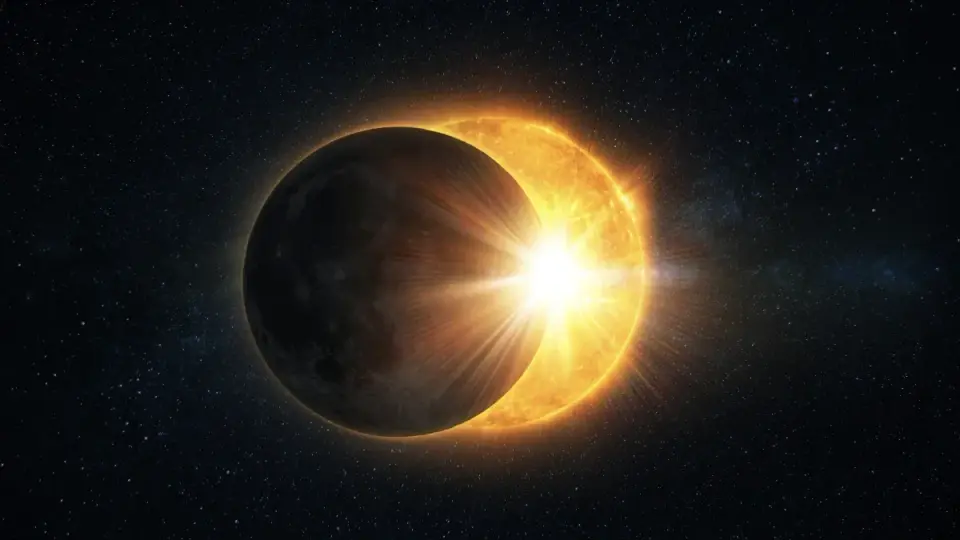
NASA advises against using smartphone cameras to photograph the August 12, 2026, total solar eclipse, warning that concentrated solar rays can melt internal lens components. The agency recommends using ISO 12312-2 certified solar eclipse glasses for safe viewing instead. While the eclipse path crosses the Arctic, Greenland, Iceland, and northern Spain, most of the United States will only observe a partial eclipse.
Key points
- NASA warns that smartphone cameras are not designed to handle the intense solar radiation emitted during a solar eclipse.
- Concentrated heat from the sun can melt the internal lens of a phone camera if used without proper filtration.
- The 2026 total solar eclipse is scheduled for August 12, 2026.
- The path of totality will cross the Arctic, Greenland, Iceland, and northern Spain, with up to 2 minutes and 18 seconds of totality.
- The United States will only experience a partial eclipse, visible from Alaska to North Carolina.
- NASA recommends using ISO 12312-2 grade solar eclipse glasses for safe viewing with the naked eye.
Background
The 2026 total solar eclipse is a significant astronomical event, with previous coverage highlighting its path across the Arctic, Greenland, Iceland, and northern Spain. The centerline of totality is approximately 294 km wide, offering up to 2 minutes and 18 seconds of total darkness. For the United States, the event will be a partial eclipse, visible from Alaska to North Carolina. Safety guidelines have consistently emphasized the use of ISO 12312-2 certified eclipse glasses to protect the eyes, as looking directly at the sun outside of totality can cause permanent damage. The Perseid meteor shower is also expected to peak the night after the eclipse.
Why it matters
The warning highlights a critical safety issue for the general public, as many may attempt to capture the rare event using their smartphones without realizing the potential for permanent hardware damage. It underscores the importance of using proper equipment, such as certified eclipse glasses, to safely observe the event. Additionally, it serves as a reminder that while the eclipse is a global event, visibility and safety measures vary significantly by location, with the U.S. only seeing a partial eclipse.
What to watch
The 2026 total solar eclipse will occur on August 12, 2026. Observers in the path of totality should prepare with ISO 12312-2 certified eclipse glasses. Those in the U.S. will need to wait for the partial eclipse phase. The Perseid meteor shower is expected to peak the night after the eclipse, offering another opportunity for astronomical observation.
Want the full story? Read the original reporting
Read on Mashable