Tag

Eclipse Glasses

All articles tagged with #eclipse glasses

Partial Solar Eclipse to Light Up North America with NASA Live Coverage
science12 days ago

Partial Solar Eclipse to Light Up North America with NASA Live Coverage

A partial solar eclipse on August 12 will sweep across parts of the United States and Canada, with NASA providing live coverage for viewers unable to watch in person. Viewers should use ISO 12312-2 certified eclipse glasses or indirect viewing methods to safely observe the event, as totality won’t be visible across most of North America. The article also notes a longer total solar eclipse coming on August 2, 2027, that will be visible from southern Europe and into parts of Africa.

View the 2026 solar eclipse with eye protection, not your phone
tech13 days ago

View the 2026 solar eclipse with eye protection, not your phone

NASA warns that photographing the 2026 total solar eclipse with phones or other cameras can damage gear; the safest viewing method is to wear ISO 12312-2 solar eclipse glasses, and while filter options exist for phones, eye safety should come first. The event occurs on Aug. 12, 2026 with visibility varying by location, and many observers are encouraged to enjoy the spectacle rather than shoot it on a smartphone.

Partial Solar Eclipse Dims the U.S.; Totality Occurs Overseas
science14 days ago

Partial Solar Eclipse Dims the U.S.; Totality Occurs Overseas

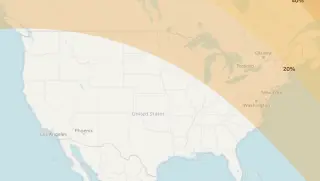
A partial solar eclipse will be visible across much of the United States on Wednesday, but no U.S. location will experience totality (which will occur in Iceland and Spain). Visibility spans Alaska, the Pacific Northwest, northern Rocky Mountains, Upper Midwest, Great Lakes, the Northeast and parts of the East Coast toward North Carolina; timing varies by location and viewers must wear eclipse glasses. NASA will livestream views from across the totality path for those not in the direct viewing area.

Watch August’s Total Solar Eclipse Safely: Eye Protection and Viewing Tips
science25 days ago

Watch August’s Total Solar Eclipse Safely: Eye Protection and Viewing Tips

A total solar eclipse will be visible in parts of Greenland, Iceland, northern Russia, Spain, and Portugal on August 12. Safe viewing hinges on timing and proper protection: you may view directly only during totality; use ISO 12312-2 certified eclipse glasses or a handheld solar viewer (regular sunglasses won’t protect you); if you lack glasses, observe indirectly with a pinhole projector or other devices that have proper solar filters (never look through unfiltered lenses or optics); welding filters (shade 12–14) can also work, but auto-darkening helmets aren’t recommended. Glasses don’t expire if certified and should be stored safely; inspect them for damage and supervise children. Never clean with water or wipes and always put glasses on before looking at the Sun.

West Country set for Britain's biggest partial solar eclipse since 1999
science26 days ago

West Country set for Britain's biggest partial solar eclipse since 1999

The West Country will experience up to 95% of the Sun obscured during the 12 August 2026 partial solar eclipse—the UK’s most dramatic view since 1999—with Cornwall and the Isles of Scilly expected to see about 95% and around 90% in Bristol, Somerset, Gloucestershire and Wiltshire. The event runs 18:17–20:06 BST, peaking at 19:12 BST. Observers are urged to choose elevated, west-facing spots for the best horizon view and to practice safety: use ISO 12312-2 certified eclipse glasses or proper solar filters for cameras, never look directly at the Sun, and consider live streams from the Royal Observatory Greenwich. Free eclipse glasses will be available at events such as the Downs in Bristol; the next UK total solar eclipse isn’t until 2090.

"Unforgettable Sights: Highlights of the 2024 Total Solar Eclipse"
astronomyweather2 years ago

"Unforgettable Sights: Highlights of the 2024 Total Solar Eclipse"

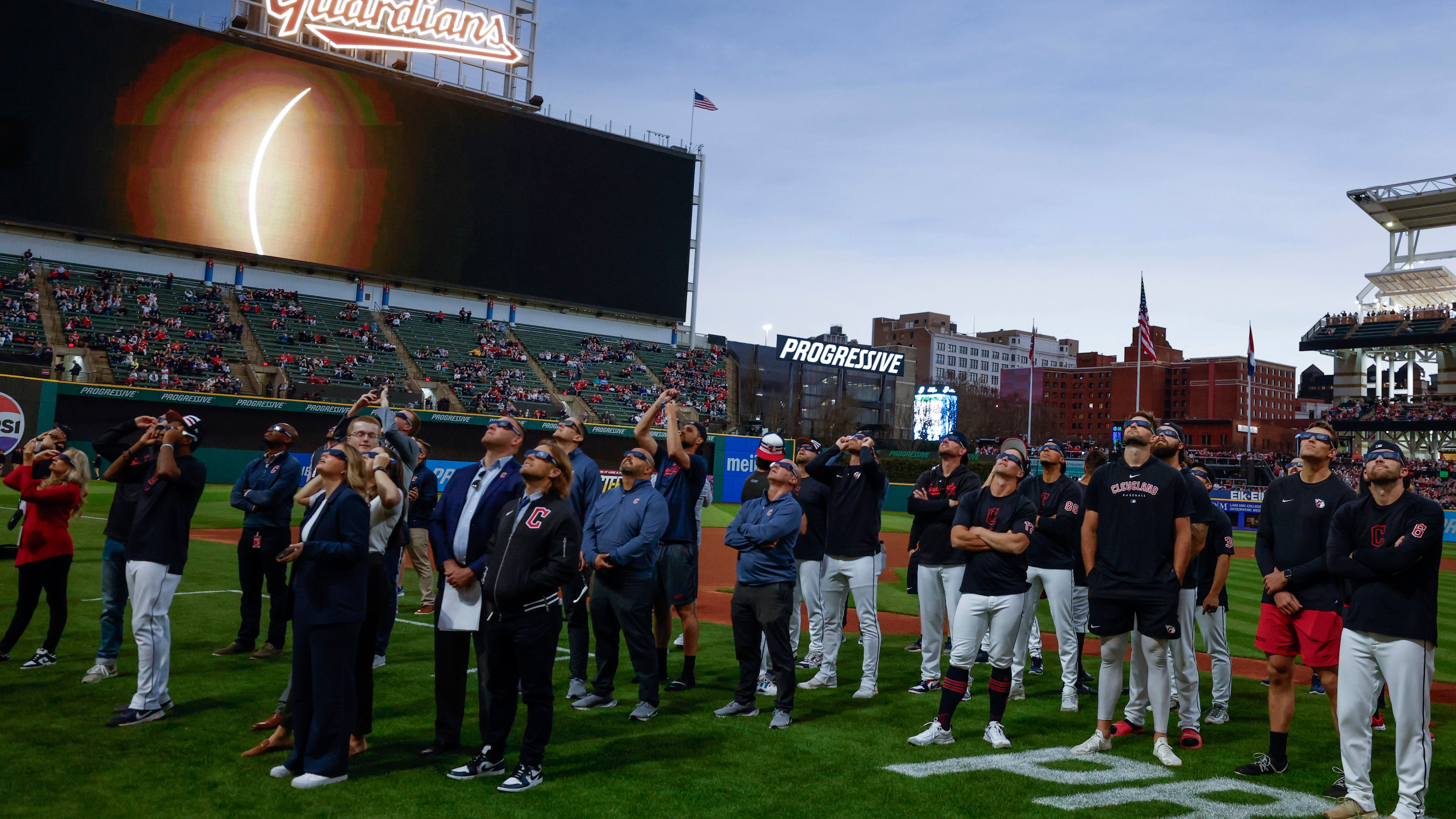
The 2024 solar eclipse provided breathtaking views of totality in Texas, upstate New York, and northern New England, as well as interesting weather changes such as temperature drops and wind speed dips. Events like weddings and baseball games were also affected by the eclipse, and satellite imagery captured the moon's shadow passing over Earth. Additionally, the eclipse caused traffic jams and even affected bee behavior, making it a memorable and impactful event. As for leftover eclipse glasses, consider donating or recycling them for future use.

"Maximizing the Lifespan of Your Eclipse Glasses: Recycle, Reuse, or Donate?"
environment2 years ago

"Maximizing the Lifespan of Your Eclipse Glasses: Recycle, Reuse, or Donate?"

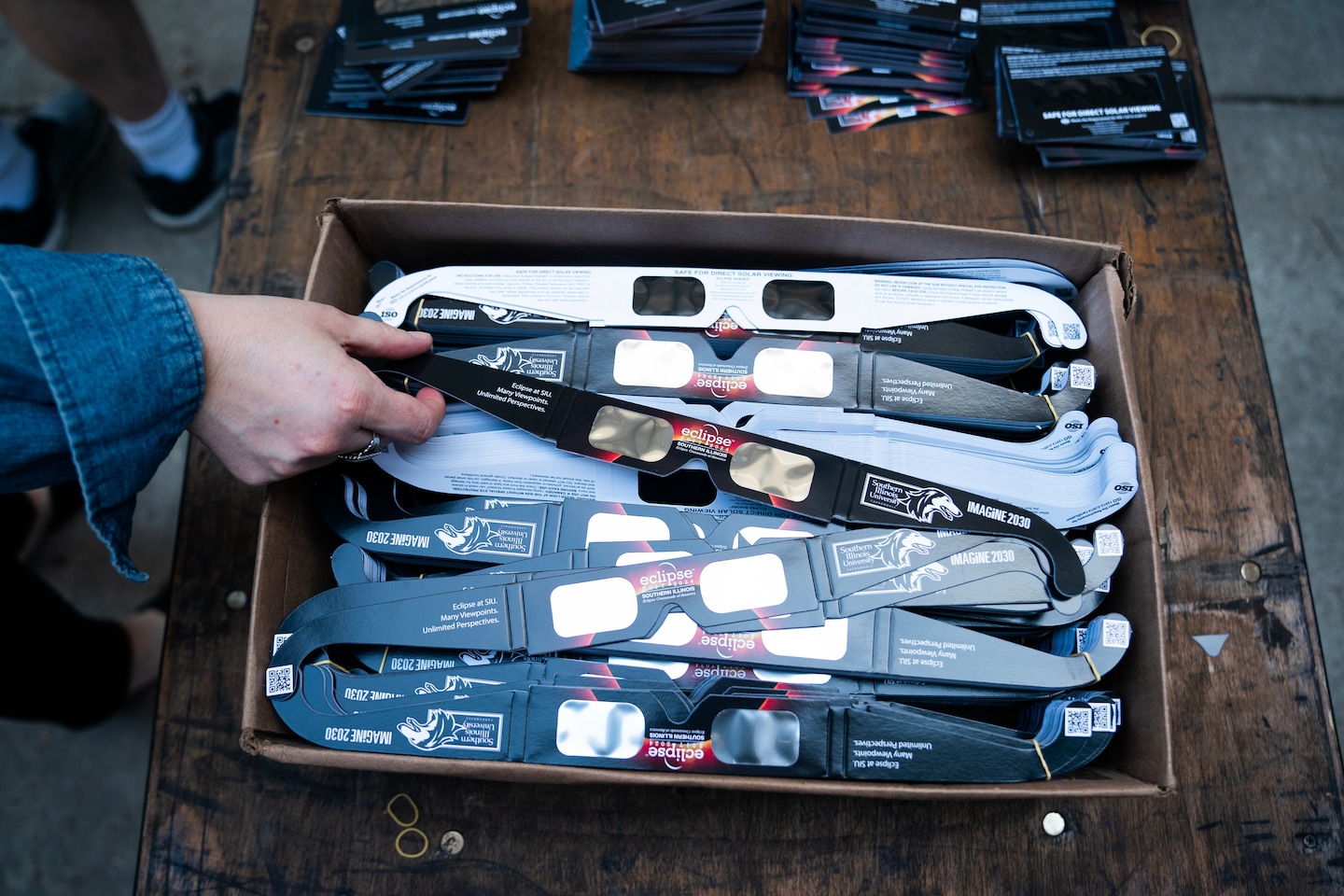
The American Astronomical Society advises that modern eclipse glasses don't expire and can be reused for future eclipses as long as they meet safety standards, or donated to organizations like Astronomers Without Borders and Eclipse Glasses USA to benefit others in need. If you choose to dispose of them, the cardboard frames can be recycled, but the lenses should be thrown in the trash.

"Mark Your Calendar: Upcoming Celestial Events After the 2024 Solar Eclipse"
astronomy2 years ago

"Mark Your Calendar: Upcoming Celestial Events After the 2024 Solar Eclipse"

If you missed the recent total solar eclipse, there are still upcoming opportunities to witness celestial events, including the next total solar eclipse in 2026 passing over Greenland, Iceland, and Spain, and the next U.S. totality in 2033 brushing Alaska and Russia. Other events include a partial lunar eclipse in September, meteor showers, and supermoons. Eclipse glasses can also be used to observe sunspots, and planetariums and science centers offer additional opportunities for space enthusiasts to learn and explore.

"Protecting Your Eyes During a Solar Eclipse: Safety Tips and Symptoms of Damage"
health2 years ago

"Protecting Your Eyes During a Solar Eclipse: Safety Tips and Symptoms of Damage"

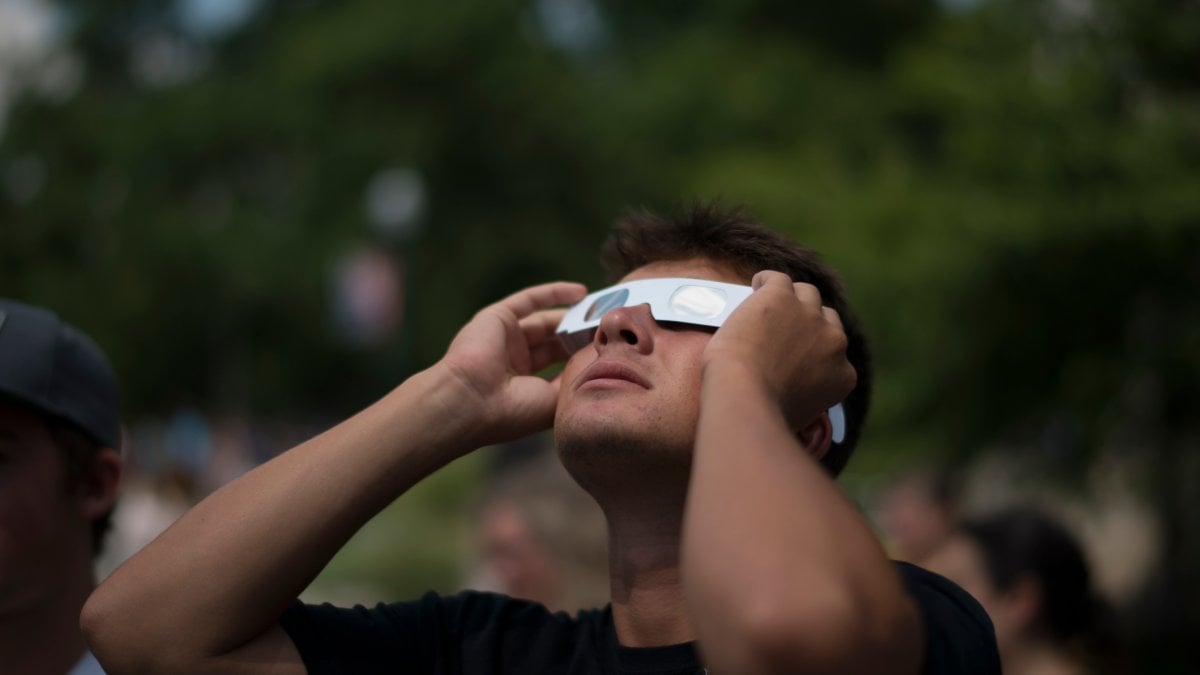
Staring directly at the sun during a solar eclipse can cause permanent eye damage, known as solar retinopathy, with symptoms including watery eyes, color distortion, headaches, and sensitivity to light. Proper eclipse glasses with a silver appearance on the front, black on the inside, and an ISO certification are crucial for protection. Cloudy weather does not provide safety from solar damage, so eye protection is essential regardless of the forecast.

"Rare 2024 Total Solar Eclipse Wows Millions in North Carolina and Across America"
astronomy2 years ago

"Rare 2024 Total Solar Eclipse Wows Millions in North Carolina and Across America"

Millions of Americans witnessed a rare total solar eclipse, with North Carolina experiencing 80 to 84 percent partial totality. People across the country, including those in Vermont and Niagara Falls, marveled at the celestial event. The Morehead Planetarium in North Carolina hosted a watch party, where attendees eagerly awaited the eclipse despite long lines for ISO-approved glasses. Safety precautions were emphasized, with experts recommending eclipse glasses from trusted manufacturers or the creation of pinhole cameras for safe viewing.

"Eclipse Glasses Recall Sparks Concerns About Eye Injuries and Safe Viewing Methods"
health-and-safety2 years ago

"Eclipse Glasses Recall Sparks Concerns About Eye Injuries and Safe Viewing Methods"

Illinois officials have urged the public to check their eclipse glasses after some brands, including the "Biniki Solar Eclipse Glasses AAS Approved 2024" sold on Amazon, were recalled for potentially not meeting safety standards. Amazon confirmed that the glasses were not yet vetted by AAS and offered refunds, and also reached out to customers who purchased glasses that might not have been sourced from a supplier on the American Astronomical Society’s approved list. Using inadequate eye protection to view the eclipse could lead to serious eye damage, and customers are advised not to use the recalled glasses for the upcoming eclipse on April 8.

"Recalled Eclipse Glasses: How to Protect Your Eyes During a Solar Eclipse"
health-and-safety2 years ago

"Recalled Eclipse Glasses: How to Protect Your Eyes During a Solar Eclipse"

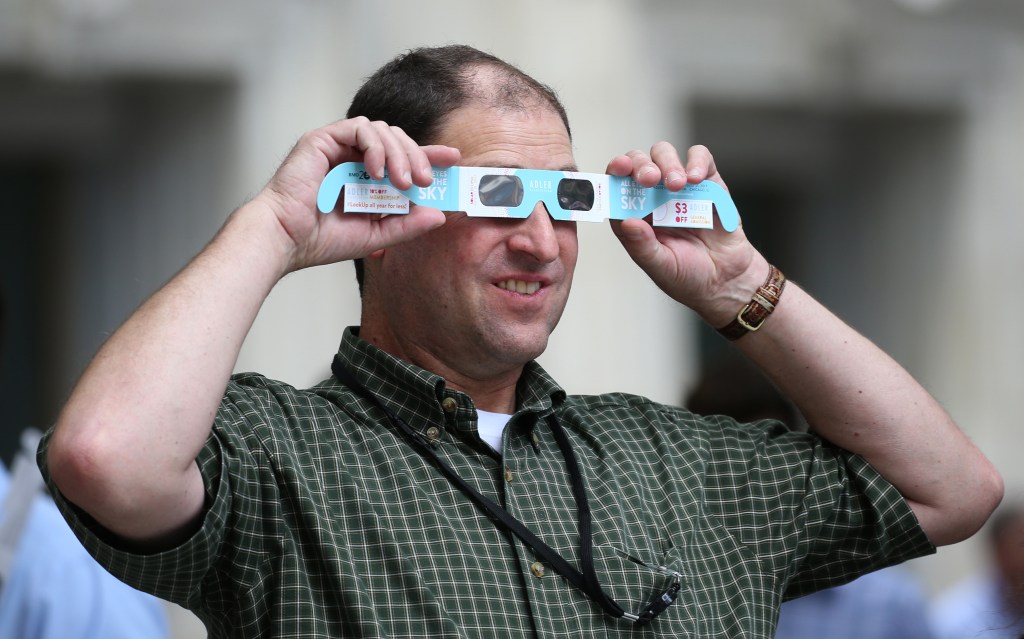
The Illinois Department of Health has urged eclipse viewers to check their glasses after a brand was recalled for failing to meet safety standards. The recalled glasses, sold at several stores in Southern Illinois, were listed as "Biniki Solar Eclipse Glasses AAS Approved 2024 – CE & ISO Certified Safe Shades for Direct Sun Viewing." With thousands flocking to Southern Illinois to view the total solar eclipse, it's crucial to use certified eclipse glasses with the ISO designation of 12312-2 to safely watch the event and avoid severe eye injury.

"Upcoming Solar Eclipse Viewing Times for Maine"
astronomy2 years ago

"Upcoming Solar Eclipse Viewing Times for Maine"

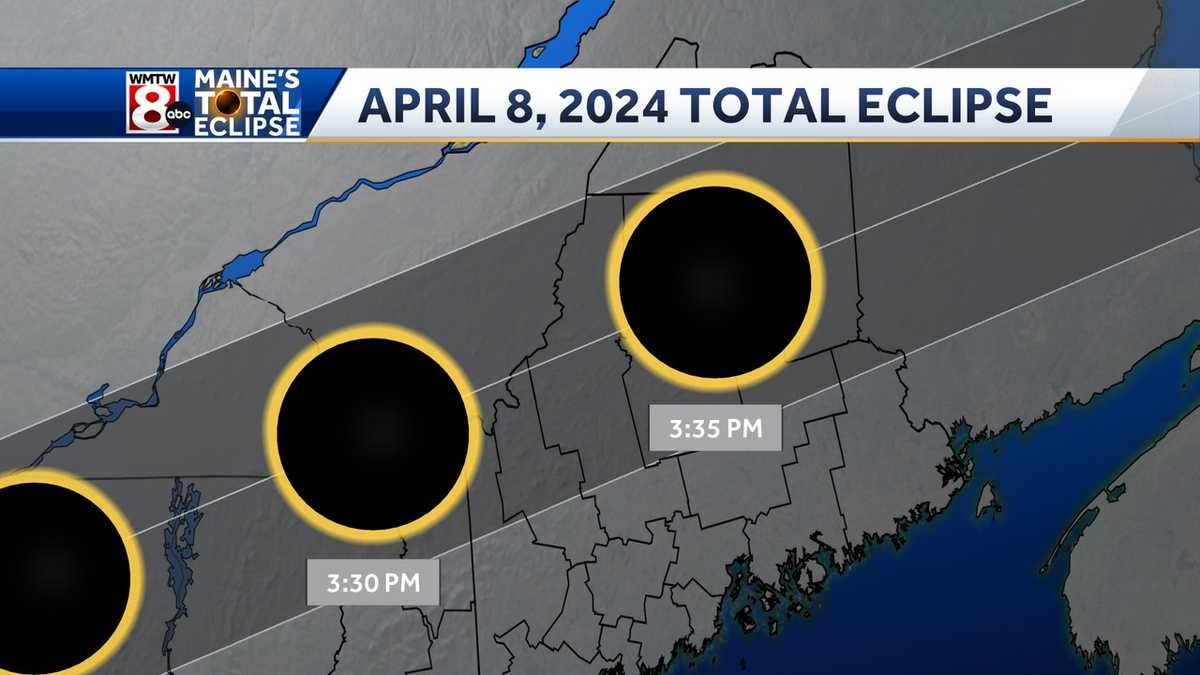
Maine is one of the best spots to view the solar eclipse, with the moon beginning to move over the sun around 2:20 p.m. The total solar eclipse will start at 3:28 p.m., with the full totality lasting around 3 minutes and 22 seconds. The 115-mile-wide path of totality will cross northern New England, including places like Rangeley, Jackman, Carrabassett Valley, and Baxter State Park. It's important to use ISO-certified eclipse glasses and solar filters to protect your eyes, as viewing the solar eclipse without protective eyewear could cause lasting damage.

"Protecting Your Eyes: Safely Photographing the Next Solar Eclipse"
science-and-technology2 years ago

"Protecting Your Eyes: Safely Photographing the Next Solar Eclipse"

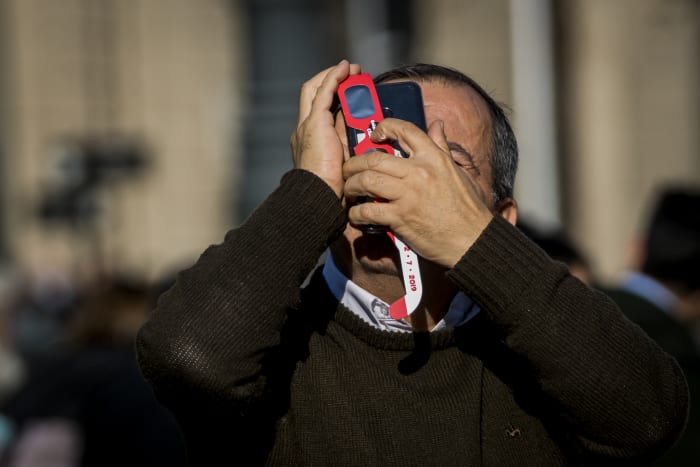
Experts advise against using cellphone cameras to take photos of the sun during a solar eclipse, as the intense light can damage the camera lens. Just as special glasses are recommended for eye protection, certified filters are available for both cellphone and larger cameras to protect the lenses. It's important to use designated solar filters and to avoid purchasing eclipse glasses from unreliable sources, such as online marketplaces, and instead opt for certified vendors recommended by the American Astronomical Society.