
Etna Eruption Grounds Catania Airport for Second Week
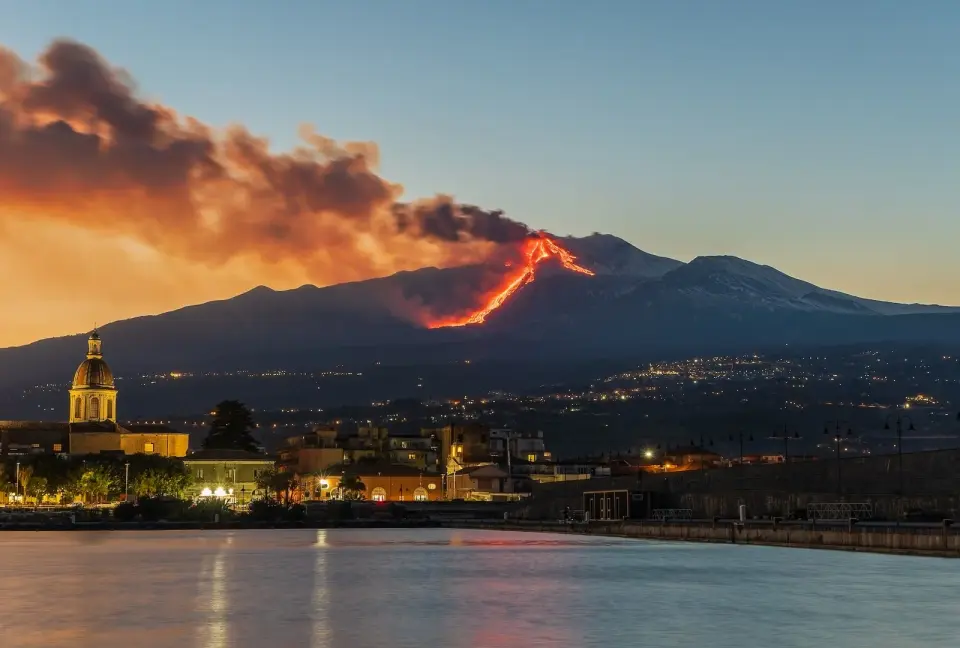
Mount Etna’s ongoing eruption has forced the closure of Catania-Fontanarossa Airport, suspending flights until at least 2:00 AM on August 15. Ash plumes have disrupted over 1,350 flights and diverted traffic to Palermo and Comiso. While the eruption is geologically normal, it poses significant travel risks and minimal environmental impact.
Key points
- Catania-Fontanarossa Airport remains closed due to volcanic ash, with operations suspended until 2:00 AM on August 15, 2026.
- The eruption, active since August 7, has caused over 1,350 flight cancellations and diverted more than 250 flights to Palermo and Comiso.
- Ash plumes have reached Malta and Libya, triggering aviation alerts that fluctuate between red and orange levels.
- Airlines are not required to pay cash compensation under UK261/EU261 rules, as the disruption is classified as 'extraordinary circumstances.'
- The eruption is considered normal for Etna, which has had over 70 paroxysmal eruptions in the past six years.
Background
Mount Etna is Europe’s tallest and most active volcano, located on Sicily’s eastern coast. It has a history of frequent eruptions, with over 70 paroxysmal events in the last six years. The current eruption began on August 7, 2026, and has been characterized by lava flows and ash emissions. Previous coverage noted that the ash had already reached Malta and that deeper magma was driving increased ash production.
How outlets are covering it
Time Out emphasizes the travel disruption and passenger rights, noting that airlines are not obligated to pay compensation but must provide rebooking and care. Euronews highlights the environmental impact, stating that volcanic ash is a minor contributor to global carbon dioxide compared to human activities and that the eruption is geologically normal. Al Jazeera focuses on the scale of the disruption, noting that over a third of flights were canceled and that the airport has not seen such disruption in over two decades. All sources agree on the closure of Catania Airport and the diversion of flights to Palermo and Comiso.
Why it matters
The eruption highlights the vulnerability of major airports located near active volcanoes. It also underscores the importance of understanding travel rights and insurance coverage during natural disasters. The event has significant economic and logistical impacts on Sicily’s tourism industry and regional transportation networks.
What to watch
Authorities will monitor Etna’s activity closely, with potential extensions to the airport closure if ash levels remain high. Travelers are advised to check flight statuses directly with airlines and review their travel insurance policies for coverage related to volcanic disruption. The FCDO has not advised against travel to Sicily but recommends checking with providers before departure.
- Mount Etna eruptions: here’s the latest advice for travelling to Sicily Time Out Worldwide
- Hundreds of Flights Canceled in Sicily as Mount Etna Erupts The New York Times
- Sicily's Catania airport restarts flights after Etna alert downgrade Reuters
- Etna’s eruptions have a surprising environmental impact Euronews.com
- Mount Etna eruption and volcanic ash shut Sicily’s busiest airport aljazeera.com
Want the full story? Read the original reporting
Read on Time Out Worldwide