
Switzerland's Bavona Valley Preserves Unique Off-Grid Stone Shelters
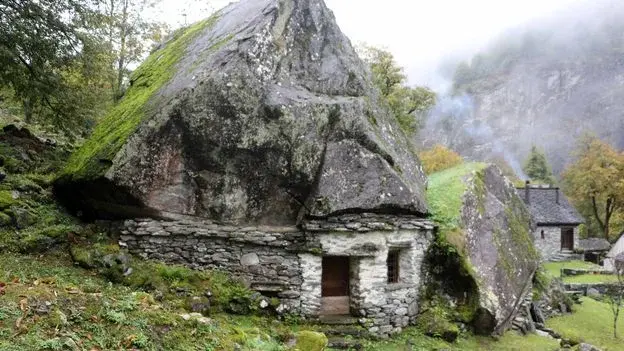
Switzerland’s Bavona Valley in Ticino hosts around 405 unique rock shelters called splüi, found nowhere else in the country. These ancient structures, adapted from natural boulders for storage and shelter, date back to the Middle Ages. The valley remains largely off-grid, with only 11 full-time residents and 11 of its 12 hamlets lacking mains electricity, a choice made in the 1950s. While most families now visit seasonally, the area retains its remote, pre-industrial character, though it faces risks from severe weather events.
Key points
- The Bavona Valley contains approximately 405 splüi, unique stone shelters carved from giant boulders, which are exclusive to this region in Switzerland.
- The valley is 12.1km long and home to 12 stone hamlets, 11 of which remain off the electricity grid, a decision voted on by residents in the 1950s.
- Only 11 full-time residents live in the valley year-round; most families now use the area seasonally for transhumance and storage.
- The splüi, some dating to the Middle Ages, were originally used for shelter, cheese storage, and haylofts, reflecting historical survival strategies in a landscape with minimal arable land.
- Severe thunderstorms in June 2024 caused significant rockfalls and debris, killing seven people and closing the valley for nine months, highlighting the ongoing dangers of its steep terrain.
Background
This story highlights a unique cultural and architectural heritage in the Swiss canton of Ticino. Unlike other Alpine regions that have fully modernized, the Bavona Valley has maintained a distinct lifestyle by rejecting grid electricity in the 1950s, opting instead for solar and gas solutions later in the 1980s. The valley’s isolation and reliance on ancient stone structures, known as splüi, set it apart from other remote areas covered in our archive, such as the ancient settlements in Saudi Arabia or Jordan, by focusing on a living, albeit sparse, contemporary community that preserves medieval building techniques. The 2024 disaster underscores the vulnerability of such remote, steep-sided valleys to extreme weather, a theme consistent with recent reports on climate-related risks in alpine regions.
Why it matters
The Bavona Valley offers a rare glimpse into pre-industrial Alpine life, demonstrating how communities adapted to harsh environments through ingenuity rather than modern infrastructure. Its preservation of splüi and off-grid status provides valuable insights into sustainable living and historical resilience. However, the 2024 disaster illustrates the tangible risks of such isolation, balancing cultural preservation against the need for safety and accessibility in an era of changing climate patterns.
What to watch
The valley continues to operate as a seasonal destination, with tourism peaking between late May and September. Preservation efforts by the Fondazione Valle Bavona aim to maintain the cultural and architectural heritage, including the splüi and rustici. Future challenges will likely involve balancing the preservation of this unique off-grid lifestyle with the safety concerns highlighted by the 2024 rockfalls, potentially influencing decisions on infrastructure improvements or emergency response protocols in the region.
Want the full story? Read the original reporting
Read on BBC