
Thomas Webster Jailed for Two Years After BBC Investigation Exposes Far-Right Extremism
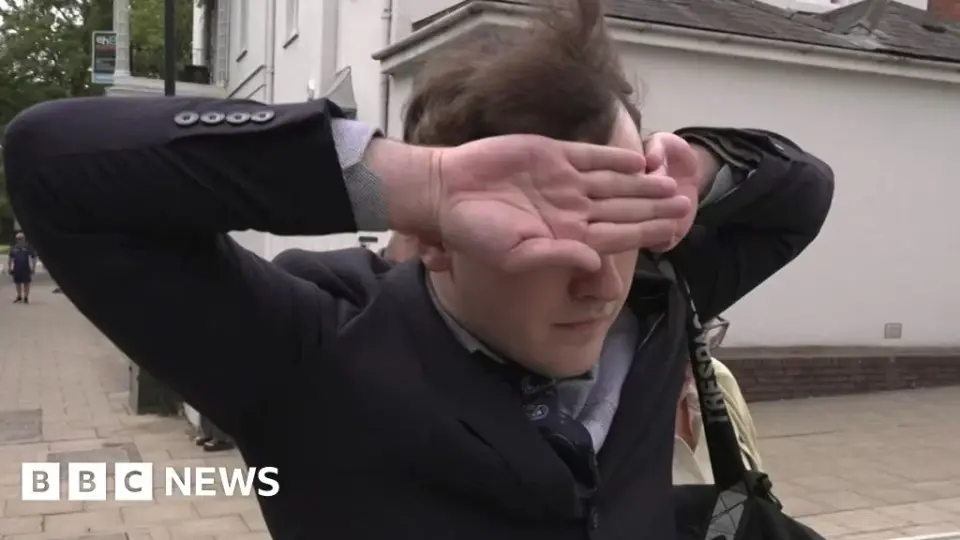
Thomas Webster, a former HMRC employee, was sentenced to two years in prison for inciting racial, religious, and sexual orientation hatred online. His conviction followed a BBC undercover investigation that exposed his extremist views and alleged sabotage of non-white colleagues. Webster admitted to 12 counts, including calls for the extinction of specific groups, and was dismissed by HMRC in February 2025 after the broadcast.
Key points
- Thomas Webster, 29, from Lapworth, Warwickshire, was sentenced to two years in custody at Warwick Crown Court for 12 offences of stirring up hatred.
- The prosecution followed a BBC Wales Investigates undercover report, 'Unmasked: Extreme Far Right,' which filmed Webster at Patriotic Alternative events in 2024.
- Webster admitted to inciting racial, religious, and sexual orientation hatred, including posts calling for the killing of Jewish, Muslim, and gay individuals.
- He was dismissed by HMRC in February 2025 after the programme aired, following an internal disciplinary process for breaching standards.
- Police found a crossbow in his home and linked him to multiple social media accounts, including X and Substack, where he posted extreme content.
- Judge Anthony Potter rejected community rehabilitation, stating Webster had failed to show remorse despite previous referrals to the Prevent programme.
Background
This case highlights the ongoing tension between far-right extremism and public sector integrity in the UK. While previous archive items covered unrelated violent crimes and media investigations, this incident specifically involves a state employee whose actions were exposed through journalistic means. The BBC’s undercover work directly led to police intervention, mirroring broader trends where media investigations trigger legal consequences for hate speech. The case also underscores the challenges of monitoring online hate speech, as some posts remained visible on platforms like X even after Webster’s guilty plea, prompting further removals by platform moderators.
Why it matters
The conviction demonstrates the legal consequences for inciting hatred online and the role of investigative journalism in exposing extremist networks. It also raises questions about the effectiveness of platform moderation, as some of Webster’s posts remained visible after his plea, and the adequacy of internal disciplinary processes in public sector bodies like HMRC. The case may influence future policies on monitoring extremist activity among public servants and the handling of hate speech on social media.
What to watch
Webster will serve half of his two-year sentence in prison and the remainder on licence. The case may prompt further scrutiny of far-right groups like Patriotic Alternative and the effectiveness of the Prevent programme in addressing extremist ideologies. Additionally, it may lead to increased pressure on social media platforms to remove hate speech more promptly, as some of Webster’s posts remained visible after his guilty plea.
Want the full story? Read the original reporting
Read on bbc.com