
UK judge clears path for sexual misconduct report but keeps celebrity anonymous for appeal
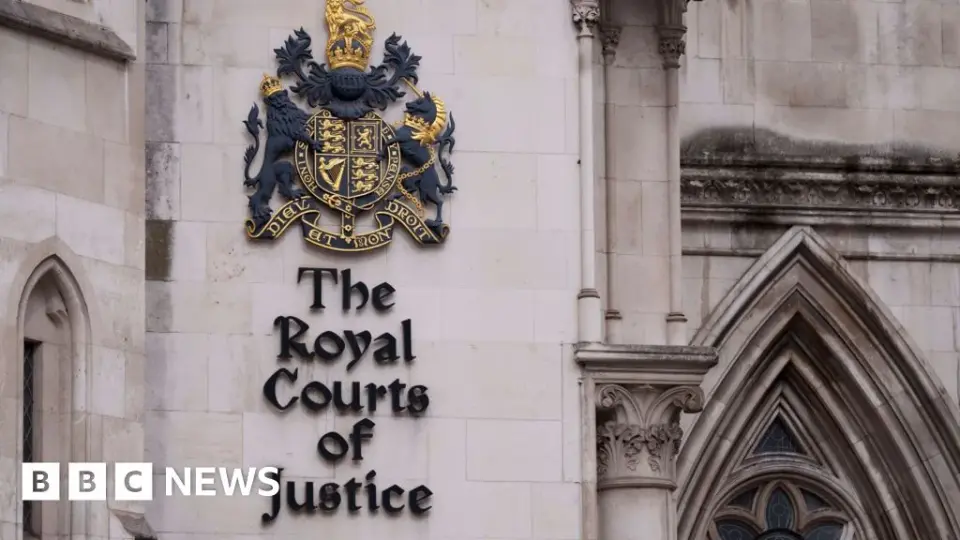
Mr Justice Nicklin dismissed a celebrity's bid for a permanent injunction against The Guardian and ITN, ruling that the public interest in publishing allegations of sexual misconduct outweighs the claimant's suicide risk. However, a temporary injunction remains in place to allow the individual, referred to as PPT, to appeal, meaning his identity and the specific allegations will not be published immediately.
Key points
- Mr Justice Nicklin ruled that the state's health services, not the courts, are responsible for protecting the claimant's life, noting that inpatient treatment can significantly reduce suicide risk.
- The court did not determine the truth of the allegations, which involve the alleged abuse of status to engage in inappropriate sexual activities with young women and teenagers.
- The claimant, who denies the allegations, has made two prior suicide attempts and is currently detained under the Mental Health Act 1983.
- The Guardian and ITN conducted a wide-ranging investigation involving over 100 sources, including 30 first-hand accounts, to support their public interest claim.
- The judge granted permission for the case to proceed to the Court of Appeal, ensuring the anonymity of the claimant remains in force during the appeal period.
Background
This ruling follows a two-day High Court trial in late October where the court weighed press freedom against the claimant's severe mental health crisis. Previous coverage highlighted the tension between the media's duty to report and the legal protection of individuals facing suicidal ideation. The judge had earlier urged the public not to speculate on the identity of the claimant, referred to as PPT, while preparing his judgment.
How outlets are covering it
The Guardian and ITN, represented by Gavin Millar KC, argued that the allegations indicated a pattern of behavior and that the public interest in publishing them was strong. They contended that the obligation to keep the claimant safe fell on the hospital, not the media. In contrast, the claimant's lawyers, led by Sara Mansoori KC, argued that publication would have a 'potentially fatal impact' and that the claimant's suicide risk was not spurious but a direct result of the impending 'trial by media'. The court found that while the risk was serious, it was not inevitable and could be mitigated by inpatient treatment.
Why it matters
The decision sets a precedent for balancing press freedom with the right to life and privacy in cases involving severe mental health crises. It clarifies that courts are not required to block publication solely due to suicide risk if the state's health services can provide adequate protection, potentially influencing future media litigation involving vulnerable individuals.
What to watch
The claimant's legal team will decide whether to lodge an appeal to the Court of Appeal. If the appeal is successful, the temporary injunction may be extended or the case remanded. If the appeal fails, The Guardian and ITN may proceed with publishing the allegations, though the claimant's anonymity may remain in place for a period to allow for any further legal challenges.
- Celebrity loses injunction bid but will stay anonymous pending appeal BBC
- ‘Well-known individual’ fails in bid for injunction against Guardian and ITN The Guardian
- Celebrity accused of sex abuse loses battle to keep name secret The Telegraph
- ‘Famous’ man loses bid to block publication of allegations against him The Independent
- Using suicide as a weapon is cheap and wrong The Times
Want the full story? Read the original reporting
Read on BBC