
UK Government Launches 'Share the Carriage, Not the Noise' Campaign to Curb Loud Phone Use
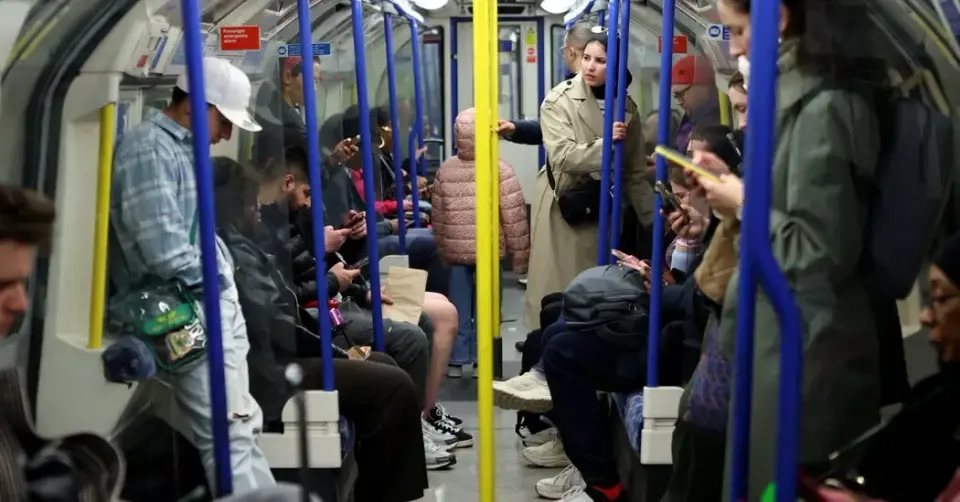
Prime Minister Andy Burnham has launched a national campaign against 'loudcasting' on UK public transport, urging passengers to use headphones. The initiative includes new powers for local authorities to fine bus offenders up to £100 and a rail campaign promoting quiet travel, though enforcement remains a key concern.
Key points
- Prime Minister Andy Burnham announced a national campaign titled 'Share the Carriage, Not the Noise' to address loud music and video playback on trains and buses.
- Local authorities in England can now issue fixed penalties of up to £100 for antisocial behaviour on buses, including loud music, vaping, and littering, under powers from the Bus Services Act 2025.
- Rail passengers who refuse to stop playing loud audio when asked by authorised staff can be removed from trains or face fines up to £1,000.
- The government states that bus drivers will not enforce these rules; instead, transport safety officers and police will handle incidents using a three-step approach.
- Surveys from Ofcom, YouGov, and Transport for London indicate that the majority of Britons dislike 'loudcasting' and support measures to curb it.
Background
This issue has gained prominence in recent years as a shift in commuter etiquette, moving away from the traditional British norm of quiet travel. Previous surveys have highlighted growing frustration among passengers regarding 'loudcasting' or 'sodcasting.' The new measures aim to standardise responses across different rail operators, replacing a previous 'patchwork' of approaches with a consistent national message.
How outlets are covering it
The New York Times highlights public skepticism regarding enforcement, with commuters questioning how fines will be practically applied without dedicated patrols. The BBC and GOV.UK emphasise the new legal powers and the three-step enforcement process involving authorised officers. Opposition figures, including Richard Holden MP and Liberal Democrat Olly Glover MP, argue that the focus on noise distracts from more serious issues like violence against staff, noting that assaults on rail staff have risen by 68%. Transport unions and advocacy groups like the Campaign for Better Transport support the move but stress the need for adequate funding and visible enforcement to make the rules effective.
Why it matters
The campaign reflects a broader governmental effort to improve the passenger experience and safety on public transport. Effective enforcement could encourage more people to use public transport by reducing nuisance behaviour, while failures in implementation could lead to public disillusionment with the government's 'everyday fixes' agenda.
What to watch
Local authorities across England will now develop and submit byelaws for sign-off by the Secretary of State. The national rail campaign will roll out across operator websites, social media, and in-carriage announcements. The practical impact will depend on the visibility and consistency of enforcement by transport safety officers and police.
- ‘People Are So Rude’: Can Britain Shhhh Headphone Dodgers on Trains? The New York Times
- The things that drive us mad, from babies in restaurants to dawdling drivers The Telegraph
- People playing loud music on buses could face £100 fine BBC
- Share the journey, not the noise: government launches measures to prevent noise and antisocial behaviour on transport GOV.UK
- Share your thoughts on measures to tackle nuisance behaviour on public transport The Guardian
Want the full story? Read the original reporting
Read on The New York Times