
Iran Names Missile Veteran as Defense Chief as U.S. and Tehran Deadlock on Ceasefire Terms
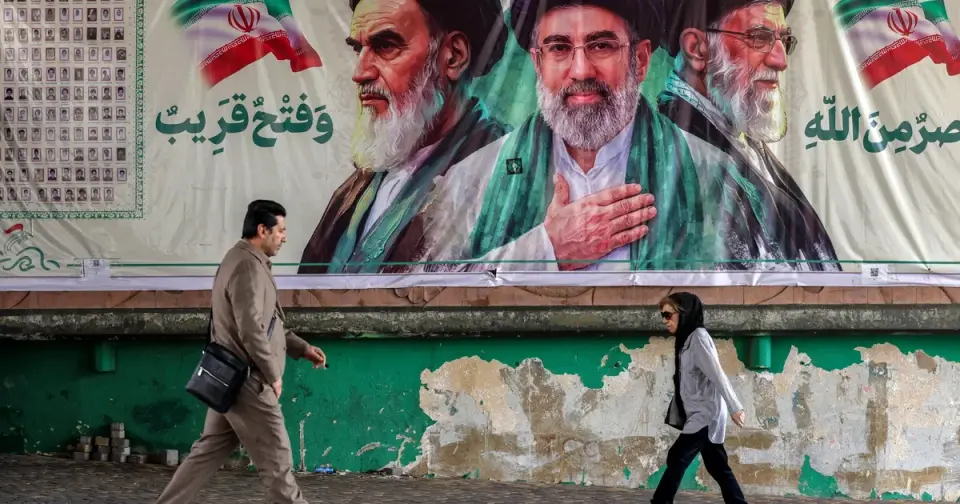
Iran has appointed missile industry veteran Mehrdad Akhlaghi Ketabchi as its new defense minister, signaling a priority on rebuilding weapons production after U.S. and Israeli strikes. Simultaneously, indirect negotiations between Washington and Tehran continue via mediators Qatar and Pakistan, but remain stalled. Iran insists on lifting sanctions and ending threats before talks resume, while the U.S. seeks additional clauses to its rejected ceasefire proposal. Regional tensions escalated with Houthi strikes on Saudi Arabia and Iranian threats to target undersea internet cables in the Strait of Hormuz.
Key points
- Iranian parliament approved the appointment of 68-year-old Mehrdad Akhlaghi Ketabchi, a former head of the Aerospace Industries Organization, as defense minister, replacing a leader killed in February strikes.
- Foreign Minister Abbas Araghchi confirmed that indirect talks are ongoing, but stated that the U.S. is adding new conditions to Iran’s September 'Seven Day Plan,' which includes lifting the naval blockade and sanctions.
- Iranian President Masoud Pezeshkian and security officials declared that no negotiations will occur until the U.S. ends its pressure campaign, with officials vowing that not a single gram of enriched uranium will leave the country.
- The U.S. State Department issued new security alerts for Americans in the Middle East following deadly Houthi strikes on Saudi infrastructure, including an attack on Riyadh’s airport that killed an American citizen.
- Iran’s Revolutionary Guard threatened to cut undersea internet cables in the Strait of Hormuz if its infrastructure is attacked, while Trump stated he is deciding how to 'win' the ongoing conflict.
Background
This development follows a period of stalled diplomacy where the U.S. rejected Iran’s initial ceasefire proposal in late September. Previous reports indicated that while both sides received responses, the core disagreement remained over the sequencing of sanctions relief versus nuclear concessions. The current appointment of a hardline defense chief and the resumption of Houthi attacks suggest a hardening of positions as the eight-month conflict continues without a resolution.
How outlets are covering it
Outlets highlight a stark divergence in diplomatic posture. CBS News and The New Arab emphasize that while mediators like Qatar and Pakistan are active, the U.S. is attempting to expand the scope of the deal, whereas Iran views the current U.S. stance as a refusal to engage. Fox News focuses on Iran’s rigid red lines, specifically the refusal to move enriched uranium and the demand for immediate sanctions relief, framing the U.S. position as one of 'extraordinary economic pressure.' Radar Armenia notes Qatar’s explicit call for a diplomatic resolution, contrasting with the military posturing from both sides. There is a consensus that the 'Seven Day Plan' is the central framework, but disagreement exists on whether the U.S. is negotiating in good faith or using talks as leverage.
Why it matters
The appointment of a missile-focused defense chief signals Iran’s intent to rebuild its military capacity despite U.S. claims of destruction. The deadlock in negotiations, combined with escalating Houthi attacks and threats to critical infrastructure like undersea cables, risks a broader regional conflict. The U.S. decision on how to 'win' the war, as stated by Trump, could lead to renewed military strikes or a prolonged stalemate, affecting global energy markets and shipping routes in the Strait of Hormuz.
What to watch
Watch for any formal response from the U.S. to Iran’s demand for sanctions relief before further talks. Monitor the status of the Strait of Hormuz for any incidents involving undersea cables or shipping. Follow the outcome of the Qatari and Pakistani mediation efforts, particularly if a new proposal is presented to bridge the gap between the 'Seven Day Plan' and U.S. demands. Observe any further Houthi strikes on Saudi infrastructure, which may trigger a broader regional response.
- Live Updates: Iran says indirect talks with U.S. on ceasefire proposal continue CBS News
- US-Iran mediation persists as both sides prep for war The New Arab
- Iran sets red lines for US talks: Lift sanctions, end threats — 'not a gram' of uranium leaves Fox News
- Qatar: We Are Working with Washington and Tehran to End the War in the Region www.taghribnews.com
- Qatar calls for resolving the US-Iran crisis through diplomatic means Radar Armenia
Want the full story? Read the original reporting
Read on CBS News