
Ross Condemns Walliams Allegations and Brand Conviction in Statement
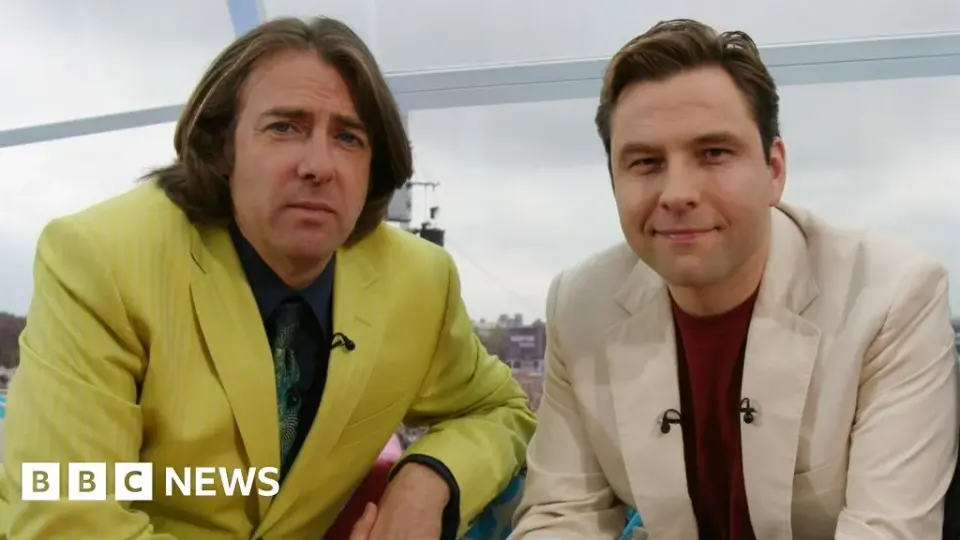
Jonathan Ross has issued a statement expressing horror over the sexual misconduct allegations against David Walliams and the recent rape conviction of Russell Brand. Ross, who hosted both men on his show, admitted to making a 'tasteless' joke about Walliams in 2004 but claimed he was unaware of their conduct at the time. The allegations against Walliams, published by the Guardian and ITV News after he lost a legal bid to stay anonymous, accuse him of grooming young women. Walliams denies the claims, while Brand was sentenced to 10.5 years in prison for rape and sexual assault.
Key points
- Jonathan Ross stated he was 'horrified' by the allegations against David Walliams and the crimes of Russell Brand, acknowledging he was once on friendly terms with both men.
- Ross admitted to delivering a joke at the 2004 Comedy Awards that referenced Walliams and a 15-year-old, describing it as 'tasteless' but claiming he believed it was a reference to Walliams dating younger women, not actual misconduct.
- The Guardian and ITV News published a joint investigation alleging Walliams groomed multiple women, some as young as 15, using his celebrity status to exploit power imbalances.
- Walliams denies all allegations, stating he is 'not a sexual predator' and has not broken the law, though he admitted to behaving 'thoughtlessly' in past relationships.
- Russell Brand was sentenced to 10.5 years in prison on Monday for one count of rape and three counts of sexual assault, with the Metropolitan Police now investigating additional allegations against him.
- Culture Secretary Lisa Nandy criticized the media industry for 'abuses of power' and highlighted the lack of robust duty of care for workers and whistleblowers.
Background
This story follows the recent sentencing of Russell Brand for rape and sexual assault, which prompted new police investigations into additional allegations against him. The Walliams allegations emerged after he lost a high court bid to prevent the publication of claims that he had groomed young women, with the judge ruling that the risk of suicide was not inevitable. The BBC has since removed 'Little Britain' and other content featuring Walliams from its streaming platform in response to the allegations.
How outlets are covering it
The Guardian and ITV News presented detailed accounts from multiple women alleging Walliams groomed them, citing specific interactions and power imbalances. Walliams' lawyers countered that he did not target vulnerable individuals and that some interactions were consensual, though they acknowledged he behaved 'thoughtlessly.' Jonathan Ross, while condemning the allegations, defended his 2004 joke by claiming he was unaware of Walliams' conduct and believed the joke was a reference to his public dating life. AP News focused on the legal battle, noting the court's rejection of Walliams' injunction based on suicide risk claims, while emphasizing the public interest in publishing the allegations. The BBC described the allegations as 'serious' and took action to remove Walliams' content, whereas Culture Secretary Lisa Nandy framed the issue as part of a broader pattern of abuse of power in the media industry.
Why it matters
The case highlights ongoing concerns about power imbalances in the media industry and the protection of young people and whistleblowers. It underscores the legal and ethical boundaries of reporting on public figures, particularly regarding privacy and suicide risks. The conviction of Russell Brand and the allegations against Walliams may lead to increased scrutiny of celebrity conduct and the duty of care in broadcasting and publishing sectors.
What to watch
The Metropolitan Police are assessing new reports of potential criminal offenses against Russell Brand. The Guardian and ITV News may continue to publish further details from their investigation into Walliams. Walliams' legal team may appeal or respond to the published allegations, while the BBC and other broadcasters may review their policies on duty of care and whistleblower protection. The case may influence future legal standards for media reporting on public figures and the protection of vulnerable individuals in the industry.
- Jonathan Ross 'horrified' by Walliams allegations and Brand conviction BBC
- TV star reveals she's David Walliams whistleblower: 'I'm crying' Yahoo
- ‘It wasn’t long until he asked me if I’d ever had sex before’: David Walliams accused of preying on young women for sex The Guardian
- British comedian and children’s author David Walliams accused of sexual misconduct AP News
- 'David Walliams accused' and 'Named & shamed' BBC
Want the full story? Read the original reporting
Read on BBC