
Supreme Court Denies 9/11 Plotters’ Bid to Reinstate Plea Deals, Clearing Path for 2028 Trial
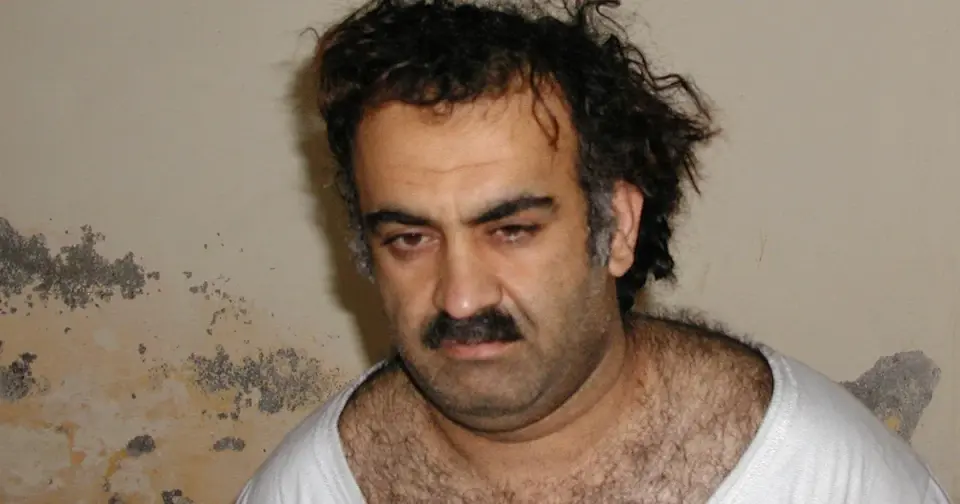
The U.S. Supreme Court declined to review appeals from Khalid Sheikh Mohammed and two other alleged 9/11 plotters, upholding the government’s decision to cancel plea deals that would have spared them the death penalty. This ruling removes a major legal barrier, allowing military commissions to proceed toward a scheduled 2028 trial for the defendants held at Guantanamo Bay.
Key points
- The Supreme Court denied certiorari, leaving in place an appeals court ruling that former Defense Secretary Lloyd Austin had the authority to revoke plea agreements.
- Khalid Sheikh Mohammed, Mustafa Ahmed al-Hawsawi, and Walid bin Attash agreed to plea deals in 2024 that would have resulted in life sentences instead of potential death penalties.
- Austin rejected the deals shortly after they were signed, asserting that such significant decisions rested with him, a move supported by the current Trump administration.
- The defendants are scheduled to face trial before a military commission in 2028, though legal analysts question the realism of this timeline due to unresolved pretrial issues.
- Justice Brett Kavanaugh recused himself from the consideration of this case.
Background
The defendants have been held at the U.S. base in Guantanamo Bay since 2006. Previous attempts to set trial dates were delayed by years due to legal disputes over the admissibility of evidence obtained through CIA torture. A military judge had initially ruled the 2024 plea agreements valid, but a military appeals court later sided with the government. This case follows broader legal battles in 2026 regarding executive authority and judicial oversight in national security matters.
How outlets are covering it
NBC News emphasizes the removal of a barrier to the 2028 trial and the potential death penalty for the defendants. CNN highlights the political dimension, noting that the Trump administration continues to defend Austin’s decision to revoke the deals, which had sparked backlash from 9/11 victim groups. CNN also cites legal analyst Steve Vladeck, who argued that the 2028 trial date is 'entirely unrealistic' given the number of unresolved issues, contrasting with the more straightforward procedural focus of the NBC report.
Why it matters
The ruling solidifies the executive branch's power to override plea agreements in military commissions, setting a precedent for future national security cases. It also determines whether the alleged mastermind of the 9/11 attacks will face a trial with the death penalty on the table or if the case will remain stalled in pretrial proceedings.
What to watch
Military courts will now proceed with pretrial proceedings for the three defendants. The next major milestone is the scheduled trial in 2028, though legal experts suggest this date may be delayed due to ongoing disputes over evidence and procedural issues.
- Supreme Court rejects alleged 9/11 mastermind’s attempt to revive plea deal NBC News
- Supreme Court backs Pentagon decision to throw out plea deals for 9/11 alleged conspirators CNN
- Supreme Court turns away appeal from alleged 9/11 mastermind Khalid Sheikh Mohammed CBS News
- US Supreme Court snubs bid to revive plea deal for accused 9/11 mastermind Reuters
- Supreme Court Rejects Sept. 11 Defendants on Scuttled Plea Deals Bloomberg.com
Want the full story? Read the original reporting
Read on NBC News