
Remote-Triggered Bomb Kills Russian Air Force Colonel in St. Petersburg
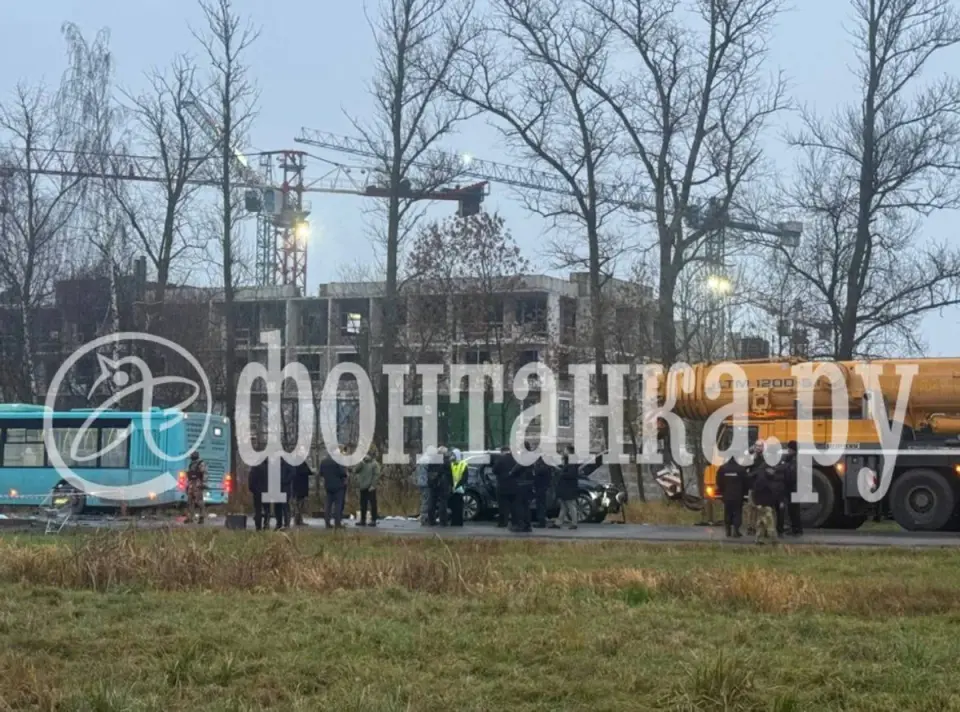
A Russian colonel serving in the 6th Air Force and Air Defense Army was killed by a remote-triggered car bomb in St. Petersburg on November 12. The attack occurred in the Slavyanka neighborhood, marking the second such incident in the area within three months. Russian investigators opened a murder case but withheld the victim's name, while Ukrainian intelligence has previously claimed responsibility for similar strikes against Russian military figures.
Key points
- A colonel in the Russian 6th Air Force and Air Defense Army died when an explosive device detonated beneath his vehicle in St. Petersburg on November 12.
- The blast occurred near a Lenta supermarket and Tatneft gas station on Kolpinskoye Highway in the Slavyanka neighborhood, which was developed partly for military personnel.
- This is the second car bombing targeting a Russian officer in Slavyanka in under three months; the previous incident on August 27 killed Maj. Sergey Sechkov and injured his wife.
- Russian authorities opened a criminal case for suspected murder but did not disclose the victim's name or rank, while security services searched for the person who planted the device.
- Ukrainian military intelligence (HUR) has previously accused units like the 332nd Separate Guards Helicopter Regiment of strikes on civilian targets, and has claimed responsibility for other recent car bombings of Russian generals.
Background
This incident follows a pattern of escalating violence against Russian military figures on Russian soil. In April 2025, Gen. Yaroslav Moskalik was killed by a car bomb in Balashikha, an operation Ukrainian officials indicated was carried out by intelligence services. Another bombing in April 2025 killed engineer Yevgeny Rytikov, though Ukrainian sources neither confirmed nor denied involvement. More recently, an explosion at a Moscow restaurant on August 1 killed five people, potentially targeting Gen. Alexander Chaiko. These attacks align with a broader campaign targeting Russian military and security officials, including Lt. Gen. Fanil Sarvarov, who died in a car bomb in Moscow in December 2025.
How outlets are covering it
Kyiv Post and Newsweek identify the victim as a colonel in the 6th Air Force and Air Defense Army, with Newsweek specifying he was the chief navigator. Ukrainian Pravda confirms the death of a serviceman but notes that Russian authorities, including the Investigative Committee, refused to disclose his rank or name, describing him only as a military serviceman. Yahoo reports that the blast shattered windows of a nearby bus, a detail not mentioned in other sources. While Russian media and authorities typically blame Ukrainian intelligence for such attacks, Kyiv Post notes that Ukrainian officials have explicitly claimed responsibility for some past incidents but not others, such as the killing of engineer Yevgeny Rytikov. Fontanka reported that a 24-year-old woman allegedly planted the device before fleeing via Turkey, though the circumstances and organizers remain unclear.
Why it matters
The killing of a high-ranking officer in a major Russian city highlights the intensification of targeted violence against Russian military figures, a trend that has accelerated since 2025. These attacks, often attributed to Ukrainian intelligence or partisans, demonstrate the reach of Kyiv's operations into Russian territory and the vulnerability of senior military personnel. The recurrence of bombings in the Slavyanka neighborhood, a district developed for military housing, suggests a strategic focus on areas with high concentrations of military personnel. Such incidents may influence Russian domestic security policies and potentially impact the broader conflict dynamics, as Moscow continues to blame Ukrainian services for these acts of terrorism.
What to watch
Russian security services are actively searching for the individual who planted the explosive device, with early reports suggesting a suspect fled the country via Turkey. The Investigative Committee will likely continue its forensic examination of the scene, though it is unlikely to release the victim's name or rank in the near term. Ukrainian authorities may issue a statement regarding their involvement or lack thereof, as they have done in previous cases. The incident may prompt further security measures in military housing areas like Slavyanka and could lead to increased scrutiny of Russian military personnel in major cities. Additionally, the attack may be cited by Russian officials as evidence of Ukrainian sabotage, potentially influencing diplomatic and military responses.
- Russian Colonel Blown Up in St. Petersburg as Attacks on Military Figures Mount Kyiv Post
- Car explodes in St Petersburg, killing Russian colonel – video Українська правда
- Russian air force officer killed by car bomb in St Petersburg Yahoo
- Russian Soldiers Keep Getting Blown Up by Car Bombs Newsweek
- Russia Ukraine Goshen News
Want the full story? Read the original reporting
Read on Kyiv Post