
Ukraine's Drone Strike on Nizhnekamsk Refinery Kills 13, Wounds 75
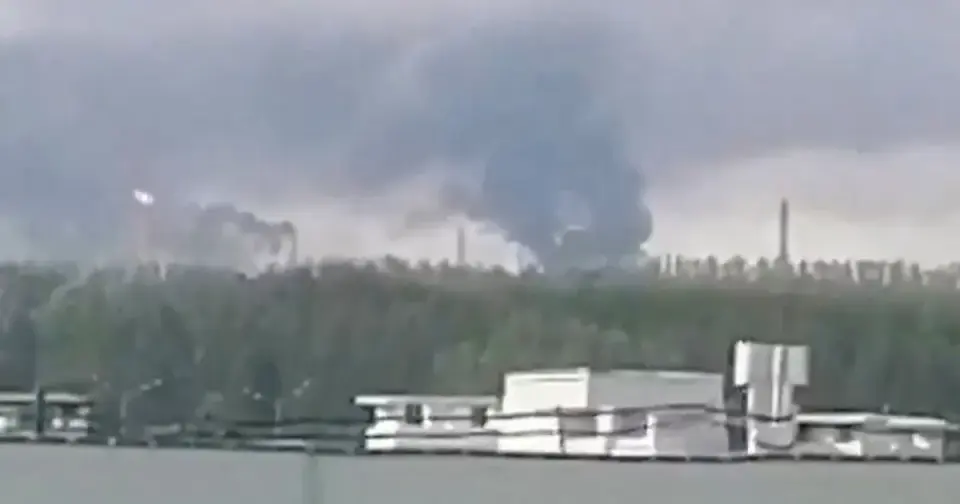
A Ukrainian drone strike on the Tanevo oil refinery in Nizhnekamsk, Russia, killed at least 13 people and wounded 75, including a child. The attack, which hit a major oil export hub 800km east of Moscow, is described as one of the deadliest in the war. Russia has opened a criminal investigation, while Ukraine confirmed the strike as part of a campaign to disrupt Russian fuel production and military logistics.
Key points
- At least 13 people, including a child, were killed and 75 wounded in the strike on Nizhnekamsk in Tatarstan.
- Ukraine's military confirmed targeting the Tanevo oil refinery, a crucial facility for Russian oil exports.
- Seven of the deceased were identified as Uzbek citizens, highlighting the impact on migrant workers in Russia.
- Russia's defense ministry claimed to have intercepted over 450 Ukrainian drones overnight.
- Ukraine's drone commander stated that current forces are at 14% capacity, requiring more Western funding to expand strikes.
Background
This incident follows a pattern of Ukrainian long-range drone attacks on Russian oil infrastructure, including strikes on the same Nizhnekamsk facility in June and July 2026. Previous attacks on refineries in Krasnodar and Engels air base in 2026 indicate a sustained campaign to degrade Russia's war economy and logistics. The current strike is part of a broader escalation in cross-border attacks, with Russia also intensifying strikes on Ukrainian civilian infrastructure, such as gas stations and residential areas in Kharkiv.
How outlets are covering it
Al Jazeera and The Guardian report on the high casualty count and the specific targeting of the Tanevo refinery, emphasizing the strategic importance of the site for Russian oil exports. CNN highlights the attack as the deadliest in two years, focusing on the civilian impact and the political fallout. All sources agree on the confirmation by Ukraine's military, but differ in emphasis: Al Jazeera notes the diplomatic implications for Uzbekistan, while The Guardian details the broader context of European heatwaves and other regional conflicts. The Russian perspective, cited by all, labels the attack 'barbaric' and 'terrorist,' opening a criminal investigation, whereas Ukraine frames it as a necessary measure to cripple Russia's war economy.
Why it matters
The strike underscores the intensification of the war's economic dimension, with Ukraine targeting critical energy infrastructure to pressure Moscow. The high civilian casualty count, including a child, raises international concerns about the humanitarian impact and potential war crimes. The involvement of Uzbek citizens highlights the global ripple effects of the conflict on migrant labor and remittances. Furthermore, the attack signals a shift in Ukraine's strategy, aiming to degrade Russia's ability to sustain its military operations through fuel and logistics, potentially influencing future peace negotiations and Western support.
What to watch
Russia is expected to retaliate with increased strikes on Ukrainian infrastructure, as seen in the Kharkiv region. Ukraine's drone commander, Major Robert Brovdi, indicated that a full-scale campaign against Crimea and other targets is contingent on faster Western funding. Diplomatic efforts may intensify, with Zelenskyy planning to speak to mediators this week. The UN Security Council is scheduled to discuss Ukrainian prisoners of war, potentially linking the conflict's humanitarian aspects to international accountability. The impact on global oil markets and grain exports, already affected by Russian port blockades, will be closely monitored.
- At least 13 killed in Ukrainian drone attack on Russia’s Nizhnekamsk Al Jazeera
- Ukrainian drone strike kills 13 inside Russia, authorities say, in deadliest attack in two years CNN
- Ukraine Drone Attack on Industrial City in Russia Kills at Least 13 The New York Times
- Ukraine confirms strikes on oil refinery in Russia’s Tatarstan – as it happened The Guardian
- Russia Says 13 Killed in Ukraine Attack on Tatarstan Energy Hub Bloomberg.com
Want the full story? Read the original reporting
Read on Al Jazeera