
Coercion and Violence: Russia's Desperate Recruitment Tactics as Voluntary Enlistment Collapses
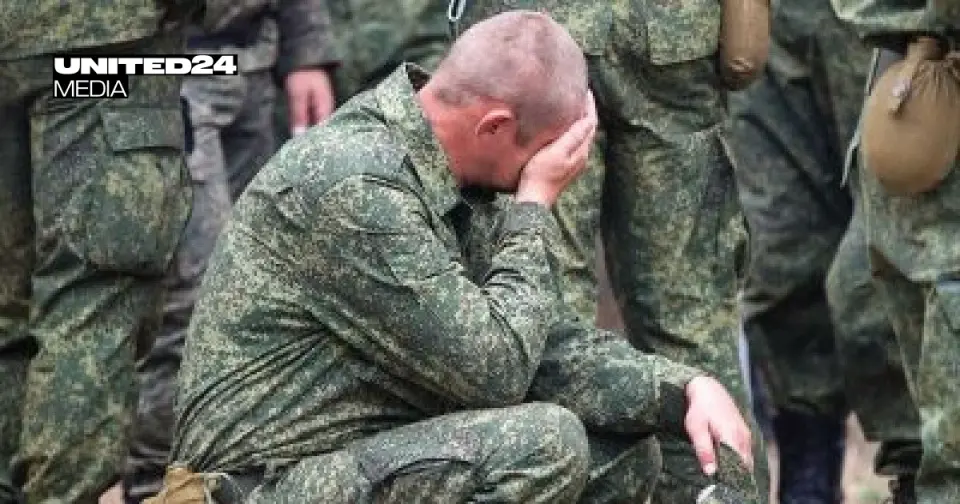
As voluntary recruitment for the war in Ukraine plummets, Russian authorities are increasingly using police raids, physical violence, and fabricated criminal charges to force men into military service. The Wall Street Journal reports that recruiters in regions like Penza, Tatarstan, and Arkhangelsk are detaining fighting-age men on streets or during document checks, then beating or threatening them at enlistment offices. This coercive shift follows a significant drop in voluntary sign-ups, driven by high battlefield casualties and reports of abuse within Russian ranks. While some regions offer up to 100,000 rubles for referrals, these incentives fail to offset losses estimated at 30,000 to 40,000 troops per month. US officials believe the Kremlin may consider a new mass mobilization after the September 20 parliamentary elections, though domestic political risks remain high.
Key points
- Police and military recruiters are collaborating to detain men on streets or during document checks, then transporting them to enlistment centers where they are beaten or threatened.
- In the Penza region, a man was lured to a police station under false pretenses, beaten, and nearly forced to sign a contract before an acquaintance intervened to release him.
- Some men were threatened with fabricated drug charges or criminal cases to coerce them into signing military contracts, according to blogger Stanislav Morozov.
- Regional authorities offer referral payments of up to 100,000 rubles (approx. $1,300) for bringing recruits to enlistment offices, supplementing signing bonuses that sometimes exceed local annual salaries.
- Western assessments estimate Russian forces are losing 30,000 to 40,000 personnel monthly, while only about 200,000 signed contracts in the first half of 2026, down from over 210,000 in the same period in 2025.
- US officials believe the Kremlin is considering another compulsory mobilization after the September 20 State Duma election, potentially targeting men with limited military experience.
Background
This development follows a widening manpower gap in the Russian military, where casualty rates have consistently outpaced recruitment efforts since the start of the full-scale invasion in 2022. Previous reports indicated that new recruits often survive only minutes on the front due to Ukraine's advanced drone capabilities, leading Moscow to offer large financial incentives and debt relief to attract volunteers. Despite these measures, voluntary enlistment has slowed significantly, prompting the Kremlin to explore more coercive methods to sustain its war effort.
How outlets are covering it
The Wall Street Journal, The Daily Beast, TVP World, and Yahoo News all report on the use of coercive recruitment tactics, but they emphasize different aspects. The WSJ and TVP World focus on the specific methods of violence and threats, including the Penza region case and the involvement of police. The Daily Beast highlights the desperation of the Kremlin and the growing reluctance of Russian men to join the military, citing lawyer Artyom Klyga. Yahoo News adds the perspective of CIA Director John Ratcliffe, who stated that new Russian recruits survive an average of only 20 to 30 minutes on the battlefield, and notes Ukraine's allegations that Russia is recruiting citizens from African countries through deceptive means. All sources agree that the coercive tactics are a response to the collapse of voluntary recruitment and the high casualty rates.
Why it matters
The shift to coercive recruitment tactics underscores the severity of Russia's manpower crisis and the potential for further escalation in the war. If the Kremlin proceeds with a new mass mobilization, it could lead to significant domestic unrest and a new wave of emigration, as seen after the 2022 mobilization. The use of violence and threats to recruit soldiers also raises serious human rights concerns and may further erode public support for the war. The high casualty rates and the short life expectancy of new recruits highlight the brutal nature of the conflict and the potential for further escalation.
What to watch
The Kremlin may consider a new compulsory mobilization after the September 20 parliamentary elections, potentially targeting men with limited military experience. However, the domestic political risks of such a move could outweigh its immediate military benefits. The use of coercive recruitment tactics may continue to escalate, leading to further human rights abuses and public unrest. The high casualty rates and the short life expectancy of new recruits may also lead to further erosion of public support for the war.
- Russia Beats and Blackmails Men Into the Army as Recruitment Collapses, WSJ Reports UNITED24 Media
- The Kremlin Is Bullying More Russians Into Fighting in Ukraine WSJ
- Putin’s Desperate Plot to Fix His Humiliating Troop Crisis Exposed The Daily Beast
- Russia accused of forcing men into army TVP World
- Russia Uses Threats to Fill Army Ranks Yahoo
Want the full story? Read the original reporting
Read on UNITED24 Media