
Kremlin Shifts Drone Defense Costs to Private Sector Amid Ukrainian Strikes
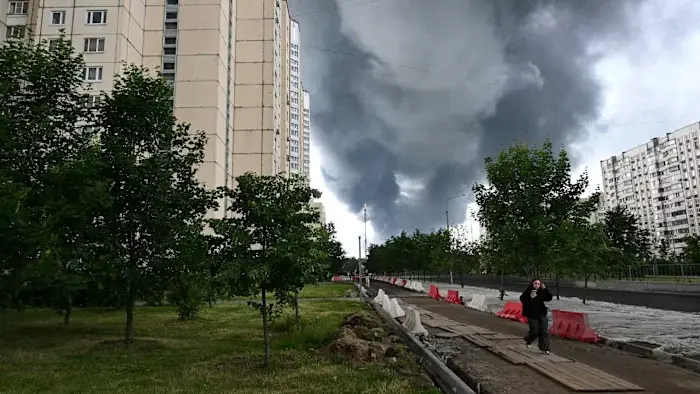
Vladimir Putin has issued a decree compelling Russian businesses to fund their own anti-drone defenses, threatening state takeover for non-compliance. This follows a surge in Ukrainian long-range attacks that damaged 20% of Russian refining capacity. While the government suspended inspections for damaged sites to ease burdens, companies face massive costs and regulatory confusion, with some fearing the decree is a precursor to nationalization.
Key points
- Putin signed a decree in late August allowing 'temporary management' of critical infrastructure that fails to protect itself from drones.
- Ukrainian strikes destroyed up to 20% of Russia's refining capacity and ignited dozens of commercial warehouses.
- The government imposed a one-year moratorium on inspections for businesses damaged by drone attacks since January 2026.
- Defense costs vary widely, with one factory spending 220 million rubles and another bordering Ukraine spending over 1.5 billion rubles.
- Regulatory frameworks remain unclear, with companies navigating overlapping anti-terrorism and drone defense requirements.
Background
This development follows an intensification of Ukraine's long-range drone campaign against Russian infrastructure. Previous coverage noted Ukraine's efforts to develop new drone technologies and capture Russian soldiers using unmanned aircraft, highlighting the evolving nature of the conflict. The current focus on Russian domestic economic strain reflects the broader impact of these strikes on Russia's industrial and commercial sectors.
How outlets are covering it
The Financial Times emphasizes the coercive nature of Putin's decree, highlighting fears among business leaders that the state may use 'temporary management' powers to seize assets, similar to previous nationalizations of Western-owned firms. It notes that while Putin claimed he had no intention of taking assets, former executives view the decree as a new tax. In contrast, Meduza reports on a more conciliatory measure, noting that Deputy Prime Minister Dmitry Grigorenko announced a moratorium on inspections for businesses damaged by drone attacks until October 2027. Meduza frames this as an effort to reduce administrative burdens and allow companies to focus resources on repairs, rather than on regulatory compliance. The FT highlights the financial burden and regulatory confusion, while Meduza focuses on the temporary relief provided to damaged businesses.
Why it matters
This policy shift signals a significant change in the Russian state's approach to wartime economic management, placing the financial burden of defense on private entities. It could lead to increased nationalization of assets if companies fail to comply, further destabilizing the Russian business environment. Additionally, the lack of clear regulatory guidelines may create uncertainty and inefficiency in defense spending, potentially undermining the effectiveness of anti-drone measures.
What to watch
The government is expected to finalize the list of 24,000 critical sites out of 700,000 total that must comply with the new defense requirements. The finance ministry is preparing tax changes to recognize companies' spending on defense, though details remain undisclosed. Companies will continue to navigate the complex regulatory landscape, with some potentially offloading assets to the state temporarily for repairs. The moratorium on inspections will provide temporary relief, but the long-term impact on business operations and state-business relations remains uncertain.
- Kremlin pressures Russian businesses to pay for drone defences Financial Times
- Overwhelmed by Ukraine’s Drones, Russia Tells Businesses to Defend Themselves WSJ
- Russia suspends planned inspections for one year at businesses hit by Ukrainian drone attacks Meduza
- Adapting under fire Key Aero
- Russia Tells Companies to Defend Themselves Newser
Want the full story? Read the original reporting
Read on Financial Times