
Oleshky Airlift: Ukraine Drops 4 Tonnes of Aid as Russian Occupation Deepens Starvation Crisis
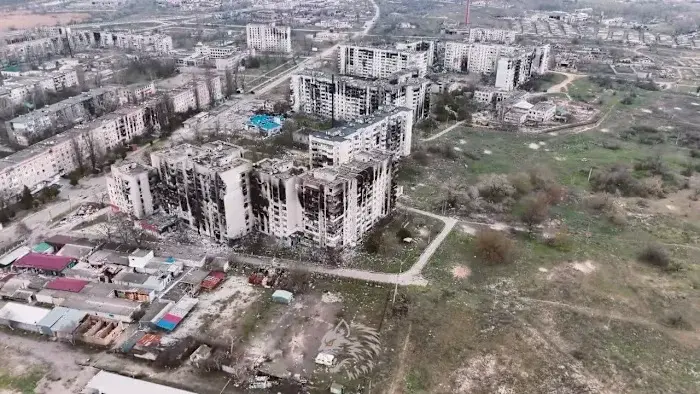
Ukrainian authorities conducted an unprecedented drone airdrop of 4,000kg of food to the Russian-occupied city of Oleshky, delivering supplies to 100 locations in a single night. The operation was a response to a deepening humanitarian catastrophe where approximately 2,000 residents, including 50 children, face starvation, lack of medical care, and constant shelling. While Ukrainian officials accuse Moscow of blocking aid and using civilians as human shields, the Kremlin blames Kyiv for obstructing humanitarian corridors. International bodies, including the Council of Europe and Human Rights Watch, have condemned the situation, noting that previous evacuation attempts have failed due to minefields and drone attacks.
Key points
- Kherson military governor Oleksandr Prokudin confirmed the largest aid operation to date, using large drones to deliver 4,000kg of food to 100 points in Oleshky.
- Ukrainian Foreign Minister Andriy Sybiha stated that residents are surviving on grass and weeds, with no reliable access to food, water, or electricity since May 2026.
- The city’s only functioning hospital is on the verge of closure, with unburied corpses accumulating in basements due to Russian restrictions on burials.
- Ukrainian officials claim Russian forces intercept aid, detain residents for accepting it, and use civilians as human shields to prevent Ukrainian counterattacks.
- The Kremlin acknowledged the 'critical situation' but blamed Ukrainian forces for blocking humanitarian supplies and preventing evacuations.
Background
Oleshky, a prewar population of 24,000, has been under Russian occupation since 2022. The city suffered severe flooding in 2023 after the destruction of the Nova Kakhovka dam. Recent EU efforts to secure aid for Ukraine, including the use of frozen Russian assets, have not yet translated into direct relief for Oleshky, where access has been cut off since late 2025.
How outlets are covering it
The Financial Times and The Guardian emphasize the scale of the new drone airdrop and the diplomatic pressure applied by Ukraine at the UN General Assembly. Ukrainska Pravda provides granular detail on the local suffering, including residents eating weeds, the collapse of the hospital, and the high cost of fleeing on foot. ABC News highlights the logistical challenges of evacuation, noting that while some residents have fled, many remain due to the danger of the 'road of death' and the lack of safe corridors. While Ukrainian sources accuse Russia of deliberate starvation and war crimes, the Kremlin maintains that Ukrainian forces are the primary obstacle to humanitarian access.
Why it matters
The crisis in Oleshky illustrates the escalating humanitarian toll of the war in southern Ukraine, where civilian populations are trapped in occupied territories with no reliable access to basic necessities. The failure of previous evacuation attempts and the interception of aid highlight the complex dynamics of the conflict, where humanitarian corridors are often blocked by both sides, leading to international calls for immediate ceasefires and independent monitoring.
What to watch
Ukrainian authorities are expected to continue drone airdrops to Oleshky, though the effectiveness of these operations is limited by Russian interception. International organizations, including the ICRC and the Council of Europe, are likely to continue pressing for a local ceasefire and safe evacuation routes. The situation may worsen as winter approaches, with residents facing extreme cold and a complete lack of food and medical supplies.
- Ukraine airlifts aid to Russian-occupied city Financial Times
- Oleshky under siege: a city where people eat grass, hide bodies in a hospital basement and wait for an evacua Українська правда
- ‘Hell on earth’: last residents eat weeds to survive in Russian-occupied Oleshky The Guardian
- 'The blockade is complete': Locals flee occupied south Ukraine as hunger deepens ABC News - Breaking News, Latest News and Videos
- Oleshky: Eating garden weeds to survive in Russian-occupied city cut off from food and water bbc.com
Want the full story? Read the original reporting
Read on Financial Times