
Ukraine Confirms Damage to Two Rosneft Refineries and Five Jets at Savasleyka
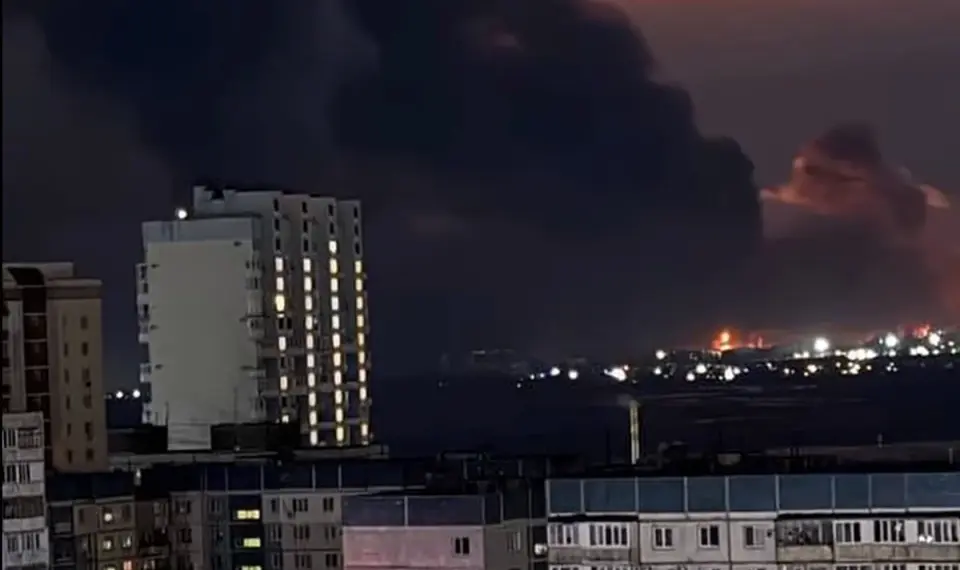
Ukraine’s military confirmed that overnight strikes on Nov. 25 damaged two major Rosneft oil refineries in Samara Oblast and five aircraft at the Savasleyka airfield in Nizhny Novgorod region. The attacks hit primary processing units and storage tanks at the Kuibyshev and Syzran refineries, causing fires. At Savasleyka, three MiG-31 aircraft and two Su-34 fighter-bombers were hit, potentially disrupting Russia’s ability to launch Kinzhal missiles. This is part of an escalating campaign that has cut Russian refining volumes by 45% in November.
Key points
- Ukraine’s General Staff confirmed damage to the AVT-4 and AVT-5 units, catalytic reforming units, and storage tanks at the Kuibyshev refinery, as well as multiple processing units and tanks at the Syzran refinery. Both facilities belong to Rosneft and have a combined annual capacity exceeding 15 million metric tons.
- The Savasleyka airfield, which hosts MiG-31K aircraft capable of carrying Kh-47M2 Kinzhal missiles, was hit with three MiG-31s and two Su-34s damaged. The General Staff stated the aircraft will be unable to fly for a certain period, though the extent of damage is still being assessed.
- The strikes are part of a broader campaign that has hit 16 Russian refineries since early November. Russian refining volumes fell by 45% in the first three weeks of November, according to industry sources cited by Reuters. Both targeted refineries had previously suspended operations in September 2026 and underwent two months of repairs.
- Samara region governor Vyacheslav Fedorishchev reported that more than 145 drones were shot down during the night, with one person killed and power outages in several towns. President Vladimir Putin called for tighter security at energy facilities but argued Russia had stabilized its domestic fuel market without critical damage.
Background
Ukraine has intensified strikes on Russian oil infrastructure since late October, following a brief pause after a US-announced energy ceasefire in early October. Previous strikes on Savasleyka in 2024 and 2025 damaged multiple aircraft, including MiG-31s and Il-76 transports. The current campaign has disabled 15 of Russia’s 38 major refineries, causing an estimated $23.2 billion in economic damage and cutting processing volumes by over 50%.
How outlets are covering it
Ukraine’s defense ministry emphasized the strategic impact of the strikes, stating that without fuel, military vehicles cannot move, and every hit reduces Moscow’s ability to strike back. BBC reported that Russia has not commented on the strikes, while Kyiv’s defense ministry taunted, 'Did you repair them? We'll hit them again.' Samara region governor Vyacheslav Fedorishchev described the attacks as a 'true ordeal,' highlighting the defensive response and civilian impact. UNITED24 Media noted the joint operation by Ukraine’s Defense Forces and the Security Service of Ukraine, underscoring the coordinated nature of the strikes.
Why it matters
The strikes disrupt Russia’s oil refining capacity, which supplies aviation fuel to military aircraft and petroleum products to key military districts. Damaging Kinzhal missile carriers at Savasleyka directly impacts Russia’s ability to launch difficult-to-intercept missiles against Ukrainian cities and infrastructure. The campaign pressures Russia’s energy sector and military logistics, potentially affecting its war effort and domestic fuel stability.
What to watch
Ukraine is expected to continue targeting Russian oil infrastructure and military airfields, as indicated by the defense ministry’s statement. Russia may retaliate against Ukrainian energy infrastructure, as President Putin warned. The extent of damage to the five aircraft at Savasleyka is still being assessed, and further strikes on the refineries are likely given their repeated targeting.
- Ukraine Says 3 MiG-31s, 2 Su-34s Hit at Russian Airfield, 2 Refineries Damaged Kyiv Post
- Five Russian military jets hit in airfield strike, says Ukraine BBC
- Ukrainian forces have struck aircraft at Russia's Savasleyka airbase, General Staff reports Українська правда
- Ukraine Hits Three Kinzhal Missile Carriers and Two Su-34s in Single Overnight Strike UNITED24 Media
- Ukrainian forces hit Russian military truck concentration area in Bryansk region Ukrinform
Want the full story? Read the original reporting
Read on Kyiv Post