
Ukraine Repels 189 Clashes as Russia Intensifies Drone Assaults on Pokrovsk Front
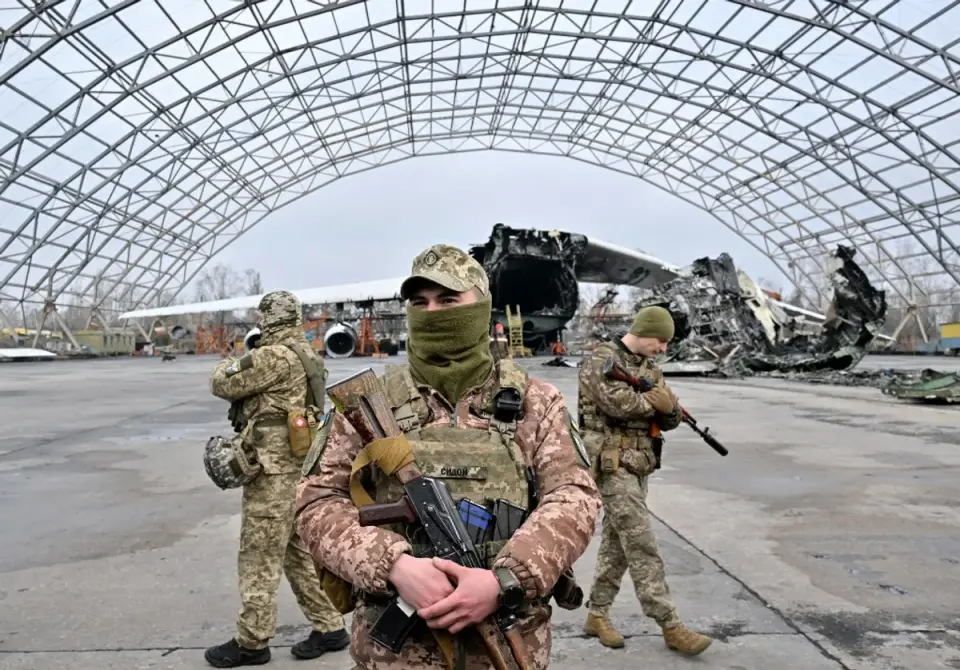
Ukraine’s General Staff reported repelling 189 combat clashes in a 24-hour period, with the heaviest fighting concentrated on the Pokrovsk axis. Russian forces launched 6,564 kamikaze drones and 70 airstrikes, attempting 26 assaults near key settlements. While Kyiv reported destroying 352 enemy UAVs, the Institute for the Study of War (ISW) noted that neither side achieved confirmed territorial advances during the same timeframe.
Key points
- The Armed Forces of Ukraine (AFU) repelled 189 clashes nationwide, with 26 Russian assaults recorded on the Pokrovsk axis alone.
- Russian forces deployed 6,564 kamikaze drones and 224 guided aerial bombs, alongside 2,260 shelling attacks on Ukrainian positions and populated areas.
- Preliminary data indicates 33 Russian troops killed and 15 wounded in the Pokrovsk sector, where Ukrainian forces destroyed two artillery systems and 27 enemy shelters.
- ISW reported that Russian forces conducted a combined missile and drone strike against Kyiv and Zaporizhzhia, targeting civilian and industrial infrastructure, including a children’s hospital and the Zaporizhstal steel plant.
- Ukrainian forces continued long-range strikes against Russian Wildberries warehouses and oil refineries, including the Orsknefteorgsintez facility in Orenburg Oblast.
Background
This escalation follows a series of massive Ukrainian drone assaults on Russian infrastructure in mid-August 2026, including strikes on Moscow-area logistics hubs and military targets. The current 24-hour report highlights a shift in Russian tactics, emphasizing high-volume drone saturation and artillery pressure on the Pokrovsk axis, while ISW notes ongoing Russian efforts to battle-test North Korean-supplied KN-23 ballistic missiles.
How outlets are covering it
Kyiv Post and Ukrinform provide detailed operational data from the AFU General Staff, with slight variations in total clash counts (189 vs. 192) and casualty figures, likely due to different reporting times. ISW offers a broader strategic perspective, focusing on the impact of Russian missile strikes on civilian infrastructure in Kyiv and Zaporizhzhia, as well as the political implications of the Kremlin’s disqualification of the anti-war Yabloko party. GZERO Media’s content is unrelated to the current conflict updates, serving only as background context for global affairs.
Why it matters
The intense drone saturation and artillery pressure on the Pokrovsk axis indicate a sustained Russian effort to break Ukrainian defensive lines in the east. Simultaneously, Russian strikes on critical infrastructure in Kyiv and Zaporizhzhia aim to degrade Ukraine’s industrial capacity and civilian morale, while Ukrainian long-range strikes target Russian economic and logistical nodes, signaling a continued cycle of escalation on both fronts.
What to watch
Ukraine is expected to continue defending the Pokrovsk axis while maintaining long-range strike campaigns against Russian energy and logistics infrastructure. ISW suggests Russia may deploy North Korean missile units to Voronezh Oblast to intensify ballistic missile strikes, while the Kremlin’s political crackdowns may signal growing domestic anxiety over the war’s cost.
- Russia Launches 6,564 Kamikaze Drones, 26 Assaults Near Pokrovsk in 24 Hours Kyiv Post
- Ukraine war latest: Poland launches 'preventive' action amid Russian strikes on Kyiv Sky News
- Russian Offensive Campaign Assessment, August 11, 2026 Institute for the Study of War
- War update: 192 clashes on front line, Russians make 16 attempts to breach Ukrainian defenses in Pokrovsk sect Ukrinform
- Russian invasion of Ukraine begins GZERO Media
Want the full story? Read the original reporting
Read on Kyiv Post