
Ukraine Strikes Key Russian Missile Component Plant in Rostov
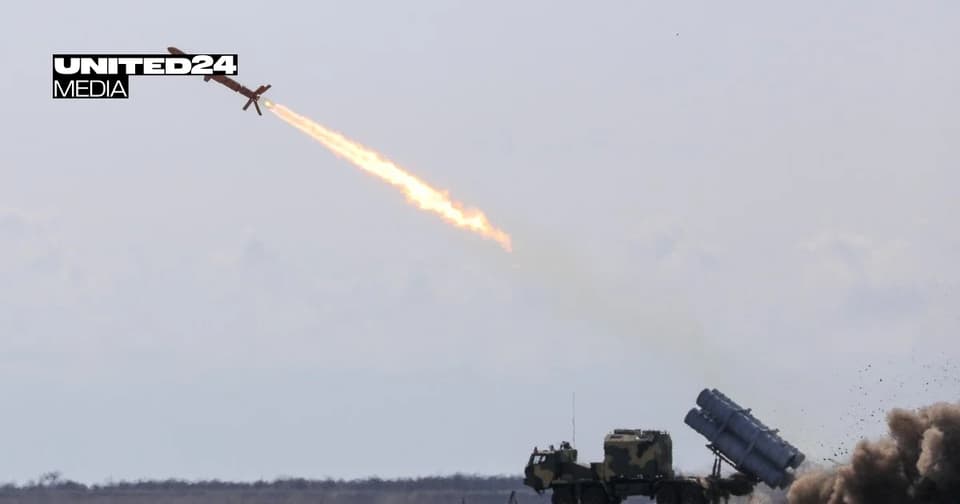
Ukraine’s Security Service (SBU) and Navy struck the Azov Optical-Mechanical Plant in Russia’s Rostov region on September 26, damaging facilities that produce components for missiles, artillery, and anti-tank weapons. The attack used domestically produced Neptune cruise missiles and Ruta, Palianytsia, and Bars drone missiles. Preliminary reports indicate damage to optical, foundry, assembly, and electronics production areas. This strike is part of a broader overnight operation targeting Russian military and energy infrastructure, including the Ilsky oil refinery in Krasnodar and a Pantsir-S2 air defense system. The plant, part of Russia’s Tactical Missiles Corporation, has been under international sanctions since 2022.
Key points
- The Azov Optical-Mechanical Plant in Rostov Oblast was struck overnight on September 26 by the SBU’s Alpha Special Operations Center and the Ukrainian Navy.
- The attack utilized Neptune cruise missiles along with Ruta, Palianytsia, and Bars jet-powered drone missiles, all domestically produced by Ukraine.
- Preliminary assessments confirm damage to the plant’s optical and foundry facilities, assembly area, electroplating workshop, and printed circuit board production facility.
- The plant manufactures electronic systems for precision artillery, missile radar seekers, thermal imaging equipment, and optoelectronic systems for Russia’s Tactical Missiles Corporation.
- The strike was part of a wider operation that also targeted the Ilsky oil refinery in Krasnodar, a Russian ammunition depot in Sievierodonetsk, and a P-18 Terek radar near Semenivske.
Background
This strike follows a pattern of Ukrainian long-range attacks on Russian military and energy infrastructure, as noted in recent archive coverage of strikes on refineries and missile production sites. In August 2026, Ukraine reported intercepting 90% of Russian cruise missiles while seeking more Patriot interceptors, highlighting the ongoing escalation in long-range capabilities. The Azov plant had previously been targeted in July 2026, according to Kyiv Post, and is subject to sanctions from the EU, US, UK, and other nations since 2022. The use of the Neptune missile, which sank Russia’s Black Sea flagship Moskva in 2022, underscores Ukraine’s continued reliance on domestic weapons systems with extended ranges, including the updated Neptune-2 variant unveiled in 2025.
How outlets are covering it
All three sources confirm the strike on the Azov Optical-Mechanical Plant and the use of Neptune and drone missiles. UNITED24 Media and Ukrainska Pravda emphasize the SBU’s Alpha Special Operations Center involvement and the specific damage to production facilities. Kyiv Post highlights the plant’s role as a key supplier of precision weapon components and notes the previous strike in July 2026. While UNITED24 and Ukrainska Pravda focus on the immediate tactical outcome, Kyiv Post provides additional context on the weapons’ ranges and capabilities, such as the Neptune’s 1,000 km range and the Bars’ 700-800 km range. No significant disagreements exist among the outlets, but Kyiv Post offers more detail on the technological specifications of the weapons used.
Why it matters
The strike on the Azov Optical-Mechanical Plant disrupts Russia’s supply chain for precision-guided weapons, potentially affecting the accuracy and effectiveness of Russian artillery and missile systems. The use of domestically produced weapons like the Neptune and Bars demonstrates Ukraine’s growing capability to conduct long-range strikes deep into Russian territory. This operation, combined with attacks on energy and military infrastructure, aims to degrade Russia’s war-fighting capacity and force Moscow to divert resources to defense. The damage to critical components for radar and thermal imaging systems could hinder Russia’s ability to track and engage Ukrainian targets, shifting the balance in the ongoing conflict.
What to watch
Russia is expected to retaliate with strikes on Ukrainian energy and military infrastructure, as seen in recent patterns of escalation. Ukraine may continue to target Russian military production facilities and energy assets to disrupt supply chains. The SBU and Ukrainian Navy are likely to conduct further long-range operations using Neptune and drone missiles, particularly against high-value targets in Rostov and other regions. International sanctions on the Azov plant and other Russian military entities may be reinforced or expanded in response to the strike. Ukraine’s General Staff will likely provide updated assessments of the damage and its impact on Russian military capabilities in the coming days.
- Ukraine’s Neptune Missiles Hammer Russian Plant Supplying Missile and Artillery Components UNITED24 Media
- Zelenskyy confirms strike on plant in Russia's Rostov Oblast producing missile components – video Українська правда
- Putin Dealt ‘Massive’ New Double Humiliation The Daily Beast
- Ukraine Hits on Rostov’s Azov Optical-Mechanical Plant With Neptune, Ruta, Palanytsia, Bars Missiles kyivpost.com
- Ukrainian Forces Strike Russian Factory Producing Homing Systems With Neptune Missiles Мілітарний
Want the full story? Read the original reporting
Read on UNITED24 Media