
Ukraine Intelligence Debunks Russia’s Zircon Hypersonic Claims, Exposing Foreign Tech and Production Network
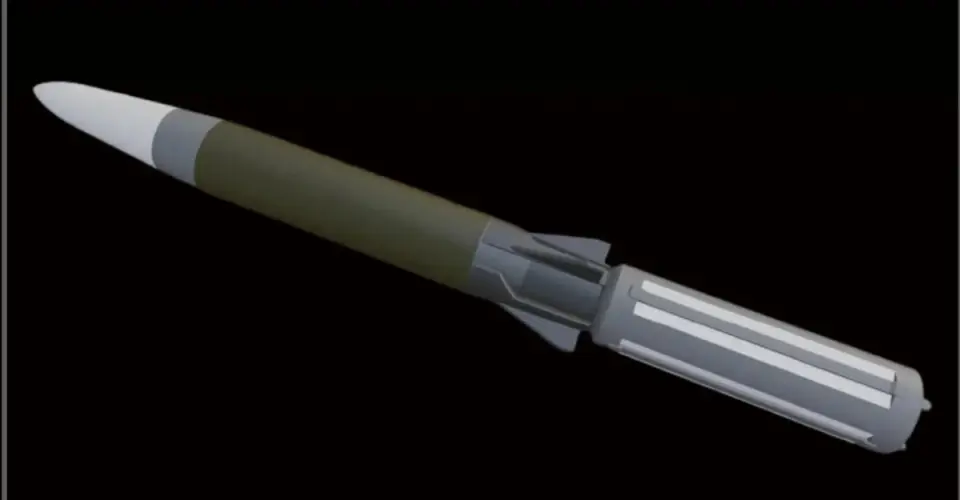
Ukraine’s Defense Intelligence Directorate (HUR) released a detailed assessment of Russia’s 3M22 Zircon missile, challenging Moscow’s claims of hypersonic speed and advanced cruise capabilities. HUR describes the weapon as a two-stage, solid-fuel ballistic missile with a maximum speed of Mach 6.8, not the claimed Mach 9. The missile carries a 120 kg warhead, lighter than Russia’s cheaper Banderol cruise missile. HUR identified over 70 companies involved in its production, including US firms TriQuint Semiconductor and Altera Corporation. The disclosure highlights Russia’s shift toward harder-to-intercept ballistic weapons as Ukraine faces shortages of Patriot interceptors.
Key points
- HUR classifies the Zircon as a ballistic missile, not a hypersonic cruise missile, citing its solid-fuel propulsion and quasi-ballistic trajectory.
- The missile’s maximum recorded speed is Mach 6.8, significantly lower than Russia’s claimed Mach 9, and it cannot sustain high speed throughout flight.
- The Zircon carries a 120 kg warhead, which is lighter than the 150 kg warhead of Russia’s low-cost Banderol cruise missile.
- HUR identified 70 companies involved in production, including US firms TriQuint Semiconductor and Altera Corporation, and detailed the use of foreign equipment.
- Russia has adapted the Zircon for launch from Bastion-M coastal systems after struggling to deploy it from naval platforms in the Black Sea.
- Ukraine faces shortages of Patriot interceptors, with Air Force spokesperson Yurii Ihnat warning of critical deficits in air-defense stockpiles.
Background
This disclosure follows earlier Ukrainian intelligence reports in September 2026 that questioned the Zircon’s hypersonic classification and highlighted its complex supply chain. It also comes amid growing concerns about Ukraine’s air-defense capabilities, as reported in August 2026, when Zelensky warned of exhausted interceptors after a major Russian barrage. The Zircon’s increased use aligns with Russia’s broader shift toward ballistic missiles, including the new Iskander-1000 variant, as Ukraine successfully intercepts cheaper cruise missiles and drones.
How outlets are covering it
Kyiv Post and Ukrainska Pravda emphasize the technical discrepancies between Russia’s claims and HUR’s findings, particularly the speed and warhead size. Business Insider highlights the strategic implications, noting Russia’s shift to ballistic missiles as Ukraine’s air defenses struggle with interceptor shortages. The Kyiv Independent focuses on the foreign components, specifically naming US firms TriQuint Semiconductor and Altera Corporation, and the broader production network. All sources agree on the core technical details but differ in emphasis: Kyiv Post and Ukrainska Pravda focus on the missile’s design and capabilities, while Business Insider and The Kyiv Independent stress the geopolitical and supply-chain implications.
Why it matters
The Zircon missile’s increased use poses a significant challenge to Ukraine’s air defenses, which are already strained by interceptor shortages. The disclosure of foreign components in the missile’s production raises questions about international complicity in Russia’s war effort. As Russia shifts toward harder-to-intercept ballistic weapons, Ukraine’s ability to protect its cities and critical infrastructure is increasingly compromised, potentially influencing the war’s trajectory and international support for Ukraine.
What to watch
Ukraine is likely to seek additional air-defense support from allies, particularly the US, to address interceptor shortages. Russia may continue to expand its use of ballistic missiles, including the Zircon and Iskander-1000, in strikes on Ukrainian cities. The disclosure of foreign components could lead to further sanctions or diplomatic pressure on countries involved in the missile’s production. Ukraine’s military intelligence may release additional assessments of Russian weapons systems to counter Moscow’s claims and inform defense strategies.
- Ukraine’s Intel Unpacks Russia’s Hypersonic ‘Zircon’ Missile – Small Warhead and Foreign Tech Kyiv Post
- Ukraine dissects Russia’s Zircon missile as Moscow leans on harder-to-intercept weapons Business Insider
- Ukraine's Defence Intelligence reveals inner workings of Russian Zircon ballistic missile Українська правда
- Ukraine's military intelligence reveals capabilities of Russian Zircon missiles The Kyiv Independent
- Ukraine Details Russia’s 3M22 Zircon Missile and Identifies 70 Companies Behind It UNITED24 Media
Want the full story? Read the original reporting
Read on Kyiv Post