
Ukraine's Operation Vivaldi and Drone Tactics Drive Multi-Sector Gains Against Stalled Russian Offensive
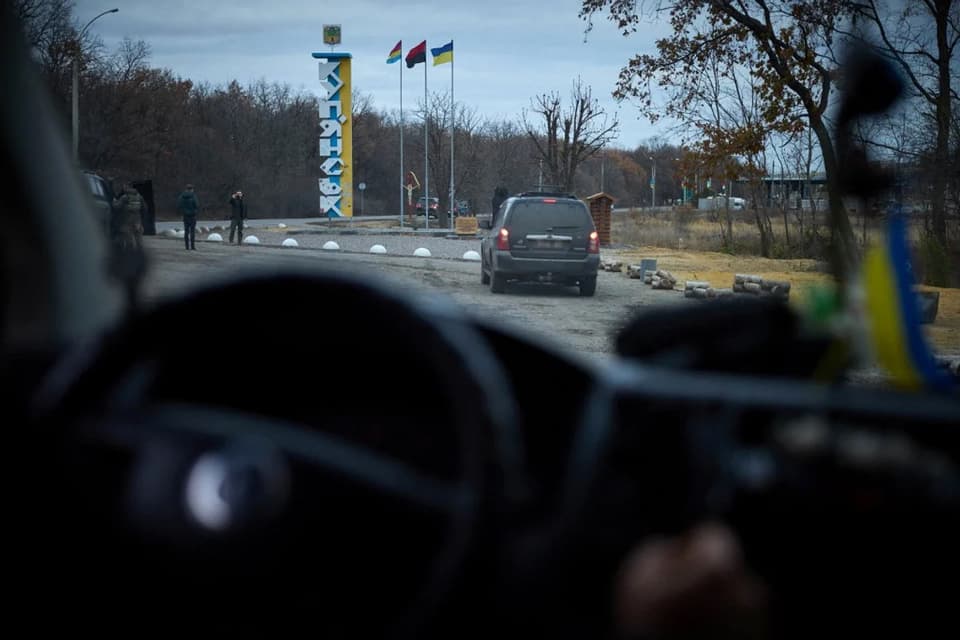
Ukrainian forces have advanced in four frontline sectors, including near Kupyansk and Chasiv Yar, while Russian gains remain limited. The Institute for the Study of War (ISW) notes that Ukraine's Operation Vivaldi in the Lyman direction has successfully disrupted Russian plans to encircle the Donetsk Fortress Belt. This progress is attributed to rigorous operational security and a sustained strike campaign that degrades Russian electronic warfare capabilities, allowing Ukrainian drones to achieve tactical overmatch. Meanwhile, Russian forces are preparing mechanized assaults for the fall in the Dobropillya direction, though they have failed to advance in northern Kharkiv.
Key points
- Ukrainian forces advanced near Kupyansk, Chasiv Yar, and in the Dnipropetrovsk region, according to ISW.
- Operation Vivaldi in the Lyman direction has thwarted Russian plans to encircle the Fortress Belt from the north.
- Ukrainian ground robots cleared 30 kilometers of minefields in the Shandryholove sector in just two nights.
- Russian forces made limited gains near Kostyantynivka and Dobropillya but failed to advance in northern Kharkiv.
- Ukraine's intermediate-range strikes on Russian logistics have degraded Russian electronic warfare and fuel supplies.
Background
These developments follow a period of significant Ukrainian territorial reclamation in 2026, where Kyiv reported recapturing most ground lost to Russia. Earlier in the year, Ukraine faced intense Russian drone and missile strikes on its energy grid and civilian infrastructure, prompting warnings from President Zelensky about potential winter retaliation. The current tactical shifts represent a move away from static positional warfare toward more dynamic maneuver operations, a trend that has been challenging for Russian forces who have struggled with recruitment and high casualty rates.
How outlets are covering it
The ISW emphasizes the strategic success of Operation Vivaldi, highlighting how Ukraine's strike campaign on Russian logistics has crippled Russian electronic warfare systems, thereby enabling Ukrainian drone dominance. In contrast, UNITED24 Media focuses on the technological innovation of the Third Army Corps, specifically the use of ground robots to clear 30 kilometers of mines in two nights—a task that would take human sappers two weeks. While ISW notes that Russian forces are preparing mechanized assaults for the fall in the Dobropillya direction, Kyiv Post reports that Russian advances in northern Kharkiv have stalled, with the battlefield described as a 'gray zone' due to heavily intermingled positions. All sources agree that Ukraine is currently holding the tactical initiative in the northern and central fronts.
Why it matters
The success of Operation Vivaldi and the deployment of autonomous ground systems mark a significant shift in the war's dynamics, moving from attritional positional warfare to high-tech maneuver warfare. By degrading Russian electronic warfare through long-range strikes, Ukraine has created a 'drone overmatch' that allows for rapid advances and the recapture of territory, such as the 125 square kilometers gained in the northern Donetsk region. This tactical shift not only disrupts Russian plans to encircle key defensive belts but also demonstrates the effectiveness of integrating AI and robotics into frontline operations, potentially setting a new standard for future military engagements in the region.
What to watch
Russian forces are expected to launch mechanized assaults in the Dobropillya direction in the fall, aiming to exploit seasonal weather changes for a potential breakthrough. Ukraine is likely to continue its intermediate-range strike campaign against Russian logistics and air defense systems in Rostov Oblast to maintain its tactical advantage. Additionally, the US House has passed a bill authorizing tariffs on Russian oil importers, which could further strain Moscow's war economy. The next phase of the conflict will likely test the durability of Ukrainian gains in the Lyman and Dnipropetrovsk sectors against renewed Russian mechanized pressure.
- Ukraine Advances in 4 Frontline Sectors as Russia Claims Gains Near Key Donetsk Cities, ISW Says Kyiv Post
- Drones only need 2 nights to lay a minefield that would take troops 2 weeks: Ukrainian corps Yahoo
- Russian Offensive Campaign Assessment, September 17, 2026 Institute for the Study of War
- Operation Vivaldi: Ground Robots Cleared 30 Kilometers in Two Nights Without Losses UNITED24 Media
- Ukraine says heavy bomber drones air-dropped exploding war robots miles behind Russian lines during a secretive operation Business Insider
Want the full story? Read the original reporting
Read on Kyiv Post