
Ukraine's Third Corps Tests Air-Dropped Robots in Vivaldi Counteroffensive
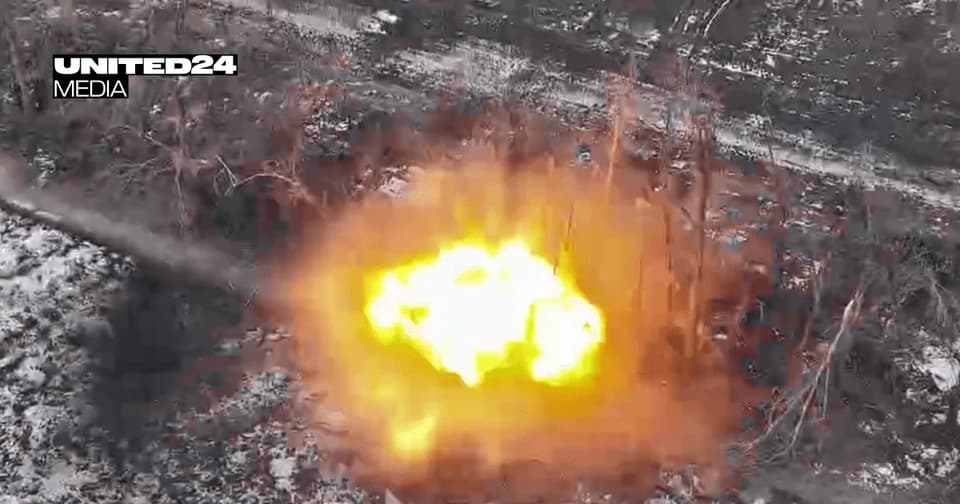
Ukraine's Third Army Corps has executed a first-of-its-kind operation using heavy bomber drones to deploy ground robots deep behind Russian lines. This tactic, part of the broader Operation Vivaldi counteroffensive in Donetsk region, aims to bypass fortified defenses and strike logistics hubs. The operation has helped reclaim significant territory and neutralize Russian drone units, marking a shift toward operational-level maneuvering.
Key points
- Third Army Corps deployed NC13 'Gryphon' ground robots via heavy drones more than 10 kilometers behind Russian lines on September 24.
- Operation Vivaldi, launched in May 2026, has reclaimed up to 250 square kilometers of territory in northern Donetsk region.
- Ukrainian electronic warfare systems neutralized over 20,000 Russian drone missions during the operation.
- Ground robots cleared 30 kilometers of minefields in two nights, a task that would typically take human sappers two weeks.
- The operation neutralized Russia's elite Rubicon drone unit, forcing its withdrawal from the Lyman axis.
Background
Operation Vivaldi began in May 2026 as a counteroffensive in northern Donetsk region. Prior to this, Ukraine had focused on attritional warfare under former commander Oleksandr Syrskyi. The operation represents a shift toward operational-level maneuvering, leveraging drone dominance and robotic systems to overcome Russian defensive lines. Earlier phases of the operation reclaimed approximately 125 square kilometers and inflicted significant losses on Russian forces, including the 20th and 25th Combined Arms Armies.
How outlets are covering it
United24 Media emphasizes the novelty of the air-dropped robot tactic, highlighting the 'Gryphon' UGVs and the strategic impact on Russian rear areas. Ars Technica focuses on the broader robotic capabilities, including mine clearing and supply runs, and notes the operation's success in defeating a Russian pincer movement. The Modern War Institute provides a strategic analysis, framing Vivaldi as a potential path to a decisive operational breakthrough, but warns that Ukraine must mobilize society and industry to sustain momentum. All sources agree on the operation's success in reclaiming territory and neutralizing Russian drone units, but differ in emphasis: United24 highlights the tactical innovation, Ars Technica the technological breadth, and the Modern War Institute the strategic implications.
Why it matters
The success of Operation Vivaldi demonstrates Ukraine's ability to adapt to modern warfare through technological innovation and strategic maneuvering. It challenges Russia's defensive lines and disrupts its logistics, potentially altering the strategic calculus of the war. However, sustaining this momentum requires continued investment in drone technology, robotic systems, and human resources, as well as international support.
What to watch
Ukraine plans to continue Operation Vivaldi, with the Third Army Corps commander describing it as the 'first of four seasons.' Future phases may involve deeper penetration into Russian rear areas and further integration of robotic systems. Russia is expected to reorganize its defenses along the Zherebets River and potentially launch new offensives in autumn. International observers will monitor Ukraine's ability to sustain drone dominance and expand its operational reach.
- Ukraine’s Operation Vivaldi Debuts First-Ever Attack With Bomber Drones Deploying Ground Robots, Video UNITED24 Media
- Robots make combat airdrops, clear mines as Ukraine defeats Russian pincer Ars Technica
- Drones only need 2 nights to lay a minefield that would take troops 2 weeks: Ukrainian corps Yahoo
- An Overture to Victory: Operation Vivaldi and Ukraine’s Path to Battlefield Decision Modern War Institute -
- Operation Vivaldi: Ground Robots Cleared 30 Kilometers in Two Nights Without Losses UNITED24 Media
Want the full story? Read the original reporting
Read on UNITED24 Media