
Ukraine Confirms $70M Strike on Russian Missile Fuel Plant and Air Defense Systems
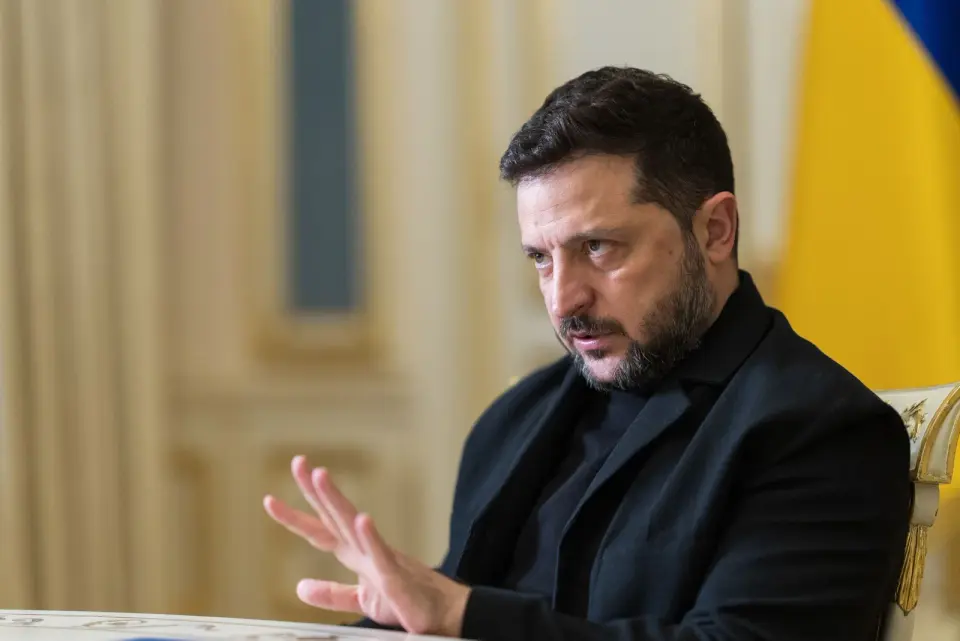
President Volodymyr Zelensky confirmed on Nov. 1 that Ukrainian forces struck the Kamensky Plant in Rostov Oblast, a facility producing solid rocket propellant, alongside a Pantsir-S2 air defense system and an S-400 command vehicle. The strikes, executed using drones and Neptune cruise missiles, caused an estimated $70 million in damage to Russian air defense assets. Zelensky framed the operation as a defensive measure to degrade Russia's military-industrial capacity and protect Ukrainian cities from future attacks, particularly as Russia intensifies strikes on energy infrastructure ahead of winter.
Key points
- Zelensky confirmed the attack on the Kamensky Plant in Rostov Oblast, which produces solid rocket propellant for Russian missiles and aircraft weapons.
- The strike used a combination of drones and Neptune cruise missiles, damaging four production workshops and igniting a warehouse.
- A Pantsir-S2 system and an S-400 command vehicle were also hit, with the air defense assets valued at approximately $70 million.
- The attack coincides with intensified Russian strikes on Ukrainian energy infrastructure, leaving hundreds of thousands without electricity.
- Zelensky thanked the Security Service of Ukraine and other defense units for the operation, describing it as a necessary defensive action.
Background
This strike follows a pattern of Ukrainian long-range attacks on Russian military-industrial targets since summer 2026, including oil refineries and logistics hubs. In October, Zelensky confirmed the first combat use of the FP-7 ballistic missile and vowed expanded retaliation against Russian energy infrastructure after a new Russian doctrine authorizing civilian strikes was revealed. The current attack occurs as Ukraine faces its most difficult winter yet, with insufficient air defenses to counter Russian barrages despite approved interceptor transfers.
How outlets are covering it
The Kyiv Independent, Ukrinform, and Kyiv Post all report the core facts of the strike on the Kamensky Plant and air defense systems, citing Zelensky's announcement. The Kyiv Independent emphasizes the plant's role in producing solid rocket propellant and its proximity to the border (15 km), while Kyiv Post provides more detail on the specific rocket systems supplied by the plant, including Uragan and Smerch. Ukrainian Pravda highlights the combined value of the air defense assets at $70 million and notes the simultaneous Russian attacks on Ukrainian energy infrastructure. All sources agree on the use of drones and Neptune missiles, but only the Kyiv Independent and Kyiv Post mention the General Staff's prior report of the attack on Oct. 31.
Why it matters
The strike targets a critical component of Russia's missile production chain, potentially slowing the replenishment of Russian rocket forces. By hitting air defense systems like the S-400, Ukraine aims to reduce its own vulnerability to Russian counter-strikes. The operation signals a shift in Ukrainian strategy toward degrading Russian military-industrial capacity rather than just targeting front-line assets, a trend that may influence the balance of power as winter approaches.
What to watch
Russia is expected to retaliate with increased strikes on Ukrainian energy and civilian infrastructure, as seen in the past 24 hours. Ukraine may continue targeting Russian defense-industrial sites and logistics hubs in occupied territories. The outcome of the strike on the Kamensky Plant will depend on the extent of the damage to its production capacity, which could take weeks to fully assess. Diplomatic efforts, including potential Putin-Zelensky talks, remain uncertain amid the escalating military exchanges.
- Zelensky confirms attack on Russian rocket fuel factory, missile launcher system The Kyiv Independent
- Zelenskyy: Ukrainian forces have struck Russian air defence assets worth US$70m and missile factory Українська правда
- Zelensky reports strikes on Russian defense industry plant, air defense assets worth $70 million Ukrinform
- Zelensky Says Hits on Rostov Plant, S-400 Post, Pantsir Cost Russia $70M Kyiv Post
- Ukraine’s Neptune Missiles Hit Russia Where Its Rockets Are Born, Damaging Four Factory Workshops UNITED24 Media
Want the full story? Read the original reporting
Read on The Kyiv Independent