
25 Years After 9/11: Al-Qaeda’s Core Dissolves as Affiliates Reshape the Terror Landscape
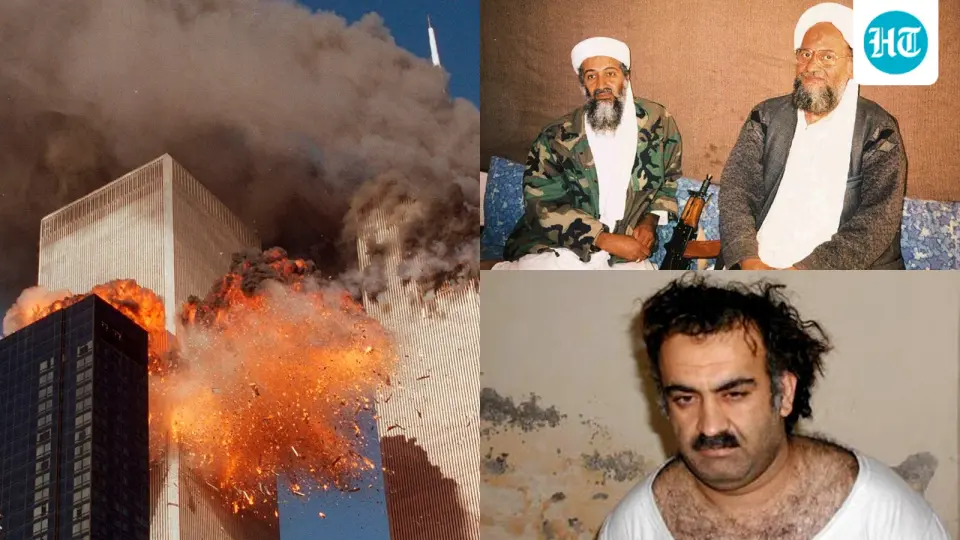
Twenty-five years after the September 11 attacks, the central al-Qaeda organization has effectively collapsed, though its decentralized affiliates remain active in Africa and the Middle East. While key figures like Osama bin Laden and Ayman al-Zawahiri are dead, Khalid Sheikh Mohammed awaits trial in 2028. Analysts debate whether the threat is diminishing or merely shifting, with the US prioritizing cartels over jihadist groups.
Key points
- The 2001 attacks involved 19 hijackers, mostly from Saudi Arabia, killing 2,977 people.
- Core al-Qaeda ceased major global operations after 2009, ending through strategic failure and internal splits.
- Khalid Sheikh Mohammed’s trial is scheduled for June 2028 after a 2025 plea deal collapsed.
- Affiliates like JNIM and Al-Shabaab remain potent in the Sahel and Horn of Africa.
- US counterterrorism priorities have shifted toward drug cartels, reducing focus on jihadist threats.
Background
This anniversary marks the 25th year since the 9/11 attacks, which triggered the Global War on Terror. Recent archive items highlight ongoing concerns about AI-enabled terrorism and the preservation of historical records, such as Peter Bergen’s donation of al-Qaeda documents to Georgetown University.
How outlets are covering it
Hindustan Times provides a detailed roster of the 19 hijackers and the current status of key conspirators, emphasizing the legal proceedings against Khalid Sheikh Mohammed. France 24 and Politico argue that while core al-Qaeda is weakened, its affiliates pose a significant, ongoing threat in regions like the Sahel and Somalia, warning that US attention has shifted away from these groups. Foreign Affairs takes a stronger stance, asserting that al-Qaeda has effectively ended as a centralized entity, attributing its demise to strategic failure and the rise of ISIS, rather than just military pressure.
Why it matters
The shifting nature of the threat highlights the complexity of modern counterterrorism. As the US focuses on cartels and domestic threats, the resilience of decentralized jihadist networks in unstable regions could lead to future instability or attacks, challenging the assumption that the 9/11 threat has been fully neutralized.
What to watch
The trial of Khalid Sheikh Mohammed and three co-defendants is scheduled for June 2028. Meanwhile, the US continues to monitor affiliate activities in Africa and the Middle East, while balancing resources against other designated threats like drug cartels.
- 25 years after 9/11: The al-Qaeda terrorists behind the attacks and where they are now | World News hindustantimes.com
- What's happened to al Qaeda in the 25 years since 9/11? Reuters
- 25 years after 9/11, al Qaeda remains a threat – even as Washington looks away France 24
- Al-Qaida’s long strategic shadow Politico
- How al-Qaeda Ended foreignaffairs.com
Want the full story? Read the original reporting
Read on hindustantimes.com