
Ambush in Congo Wounds UFC Star Tim Kennedy, Kills New Zealand Soldier
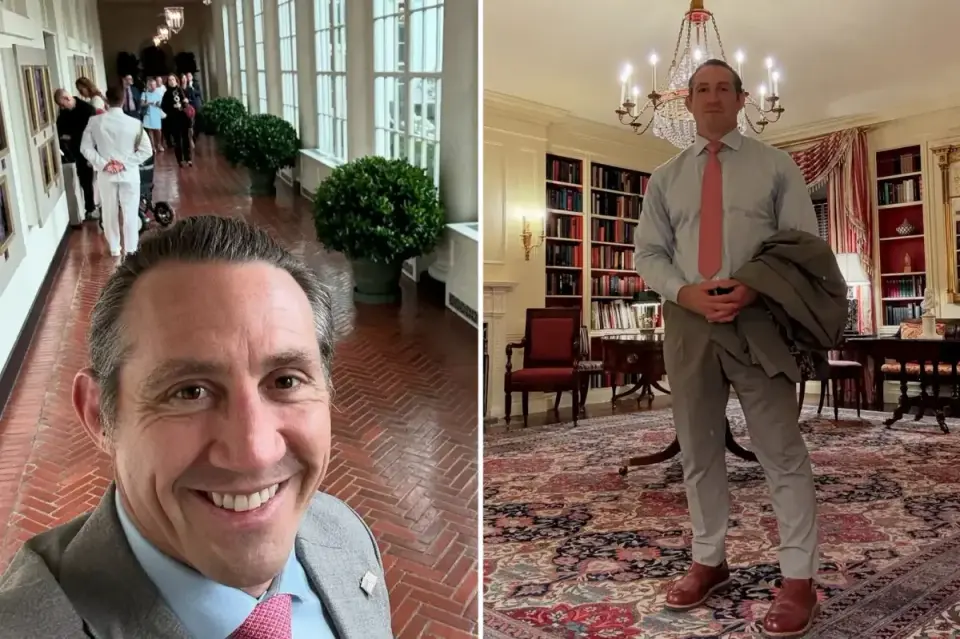
A September 17 ambush in the Democratic Republic of Congo’s South Kivu province resulted in approximately 20 casualties, including the death of a former New Zealand Special Air Service soldier and the wounding of former UFC fighter Tim Kennedy. The incident involves private military contractors linked to Erik Prince’s company, Vectus Global, which operates under a contract with the Congolese government. While the New York Post and Reuters report that Rwandan-backed M23 rebels likely tracked a surveillance drone to locate the target, the New York Times emphasizes the secretive nature of Prince’s expanding role in the region. Kennedy, who suffered three gunshot wounds to the leg, was evacuated to the United States, while the New Zealand soldier, identified by the NZ Herald as Justin Conaglen, was repatriated for burial. The attack highlights the growing involvement of private security firms in the resource-rich but conflict-plagued eastern Congo, raising questions about the boundaries of state sovereignty and private military operations.
Key points
- On September 17, an ambush in South Kivu, DRC, killed and wounded at least 20 people, including former UFC fighter Tim Kennedy and a former New Zealand SAS soldier.
- The casualties are linked to operations by Vectus Global, a company founded by Erik Prince, which holds a contract with the Congolese government to secure mining revenues and provide military support.
- Tim Kennedy survived with three gunshot wounds to the leg and was treated at Walter Reed National Military Medical Center in Washington, D.C.
- The New York Post and Reuters suggest the ambush was facilitated by Rwandan forces tracking a surveillance drone, while the New York Times highlights the lack of transparency regarding Prince’s operations.
- The NZ Herald identifies the deceased New Zealand soldier as Justin Conaglen, a former NZSAS lance corporal who left the military in August 2026.
- Vectus Global declined to comment on the incident, and the US State Department confirmed it has no direct contracts with Prince in Congo, though it plans to work with him in Haiti.
Background
This incident occurs amid ongoing conflict in eastern DRC, where M23 rebels, backed by Rwanda, have made significant gains. The region is rich in minerals like tantalum, gold, and lithium, which have fueled decades of conflict. Erik Prince, founder of the defunct private military firm Blackwater, has expanded his operations in Africa through Vectus Global, which previously helped secure the city of Uvira against M23 rebels. The US State Department has stated it has no contracts with Prince in Congo, but US officials have indicated plans to work more closely with Vectus Global in Haiti. The conflict in eastern DRC has displaced nearly 42,000 people in the Minembwe region alone, according to conflict monitors.
How outlets are covering it
The New York Post and Reuters emphasize the tactical aspect of the ambush, suggesting that Rwandan forces tracked a surveillance drone to locate the Vectus Global team. They highlight the expanded role of Erik Prince in Congo and the potential implications for DRC sovereignty. The New York Times focuses on the secretive nature of Prince’s operations and the lack of transparency, noting that the company has not previously suffered casualties in Congo. The NZ Herald provides a human element by identifying the deceased New Zealand soldier, Justin Conaglen, and detailing his background as a former NZSAS member. It also highlights the challenges of private military contracting, such as the lack of rapid support in emergencies. The Yahoo source, while less detailed, corroborates the basic facts of the ambush and Kennedy’s injuries. Overall, the outlets agree on the core facts but differ in their emphasis, with some focusing on the tactical and political implications, while others highlight the human cost and the secretive nature of the operations.
Why it matters
The ambush underscores the growing role of private military contractors in conflict zones, particularly in resource-rich regions like eastern DRC. It raises questions about the boundaries of state sovereignty and the potential for private actors to influence or exacerbate conflicts. The involvement of high-profile figures like Erik Prince and Tim Kennedy brings international attention to the issue, potentially prompting scrutiny of private military operations and their impact on local conflicts. The incident also highlights the risks faced by private contractors, including the lack of rapid support in emergencies, and the potential for civilian casualties in such operations.
What to watch
The US State Department and other international bodies may investigate the role of private military contractors in the DRC conflict. There could be increased scrutiny of Vectus Global’s operations and the terms of its contract with the Congolese government. The incident may also lead to discussions about the regulation of private military companies and their impact on conflict zones. Additionally, the families of the casualties may seek justice or compensation, and there could be calls for greater transparency in private military operations. The ongoing conflict in eastern DRC may continue to escalate, with potential implications for regional stability and the involvement of external actors.
- Ex-UFC fighter Tim Kennedy among injured in Congo as Blackwater founder Erik Prince’s forces suffer heavy casualties New York Post
- Inside Erik Prince’s Mercenary Deal in Congo The New York Times
- New details emerge after UFC veteran Tim Kennedy survives being shot multiple times in Congo ambush Yahoo
- NZSAS veteran died in Congo ambush that wounded Green Beret MMA star - reports NZ Herald
- Former UFC fighter, Green Beret Tim Kennedy reportedly shot in Congo ambush Stars and Stripes
Want the full story? Read the original reporting
Read on New York Post