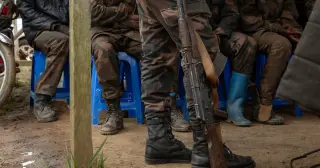
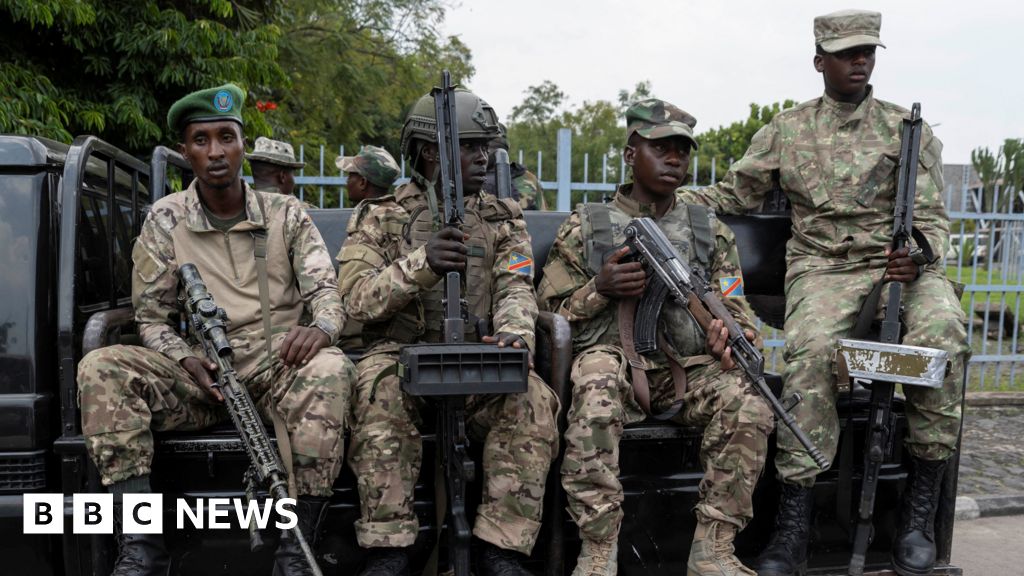
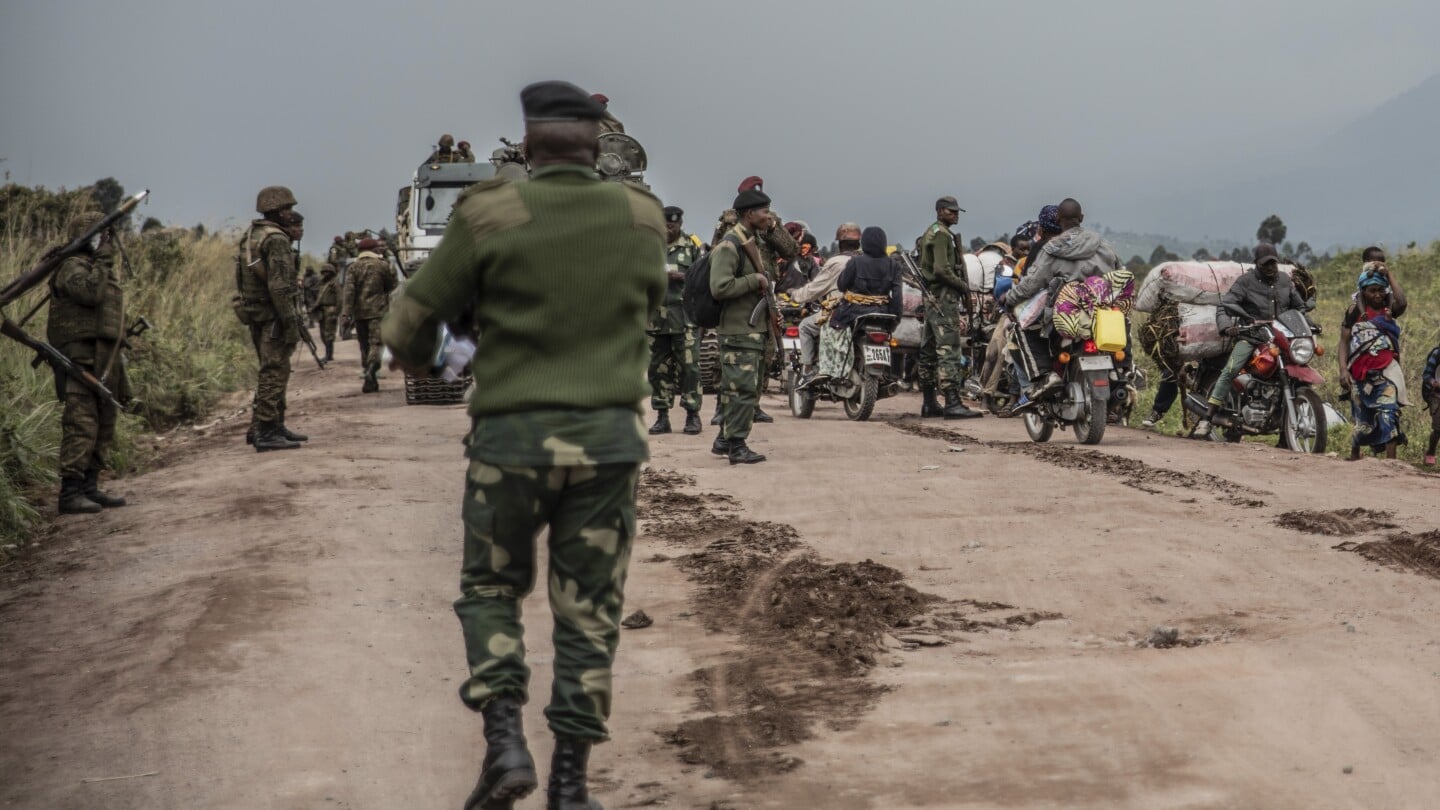
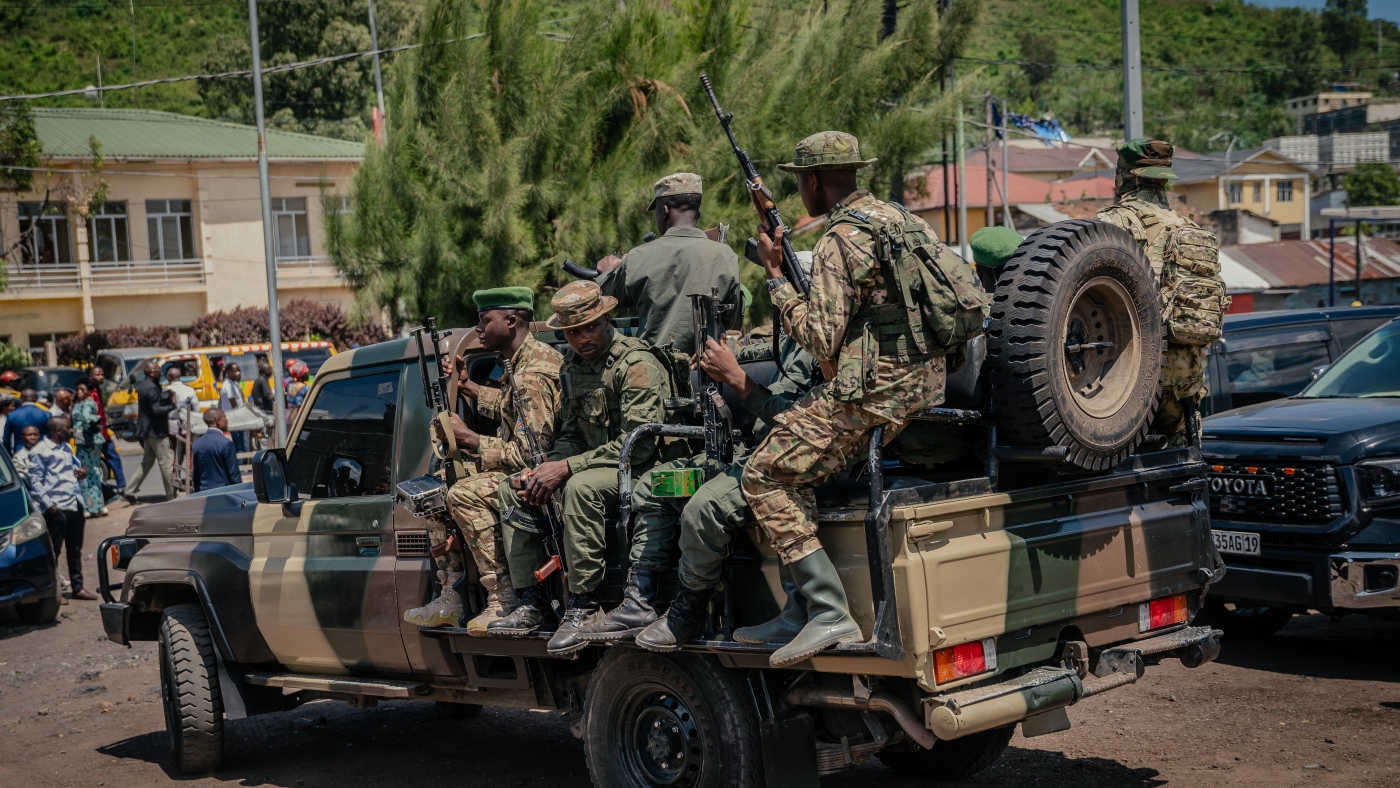
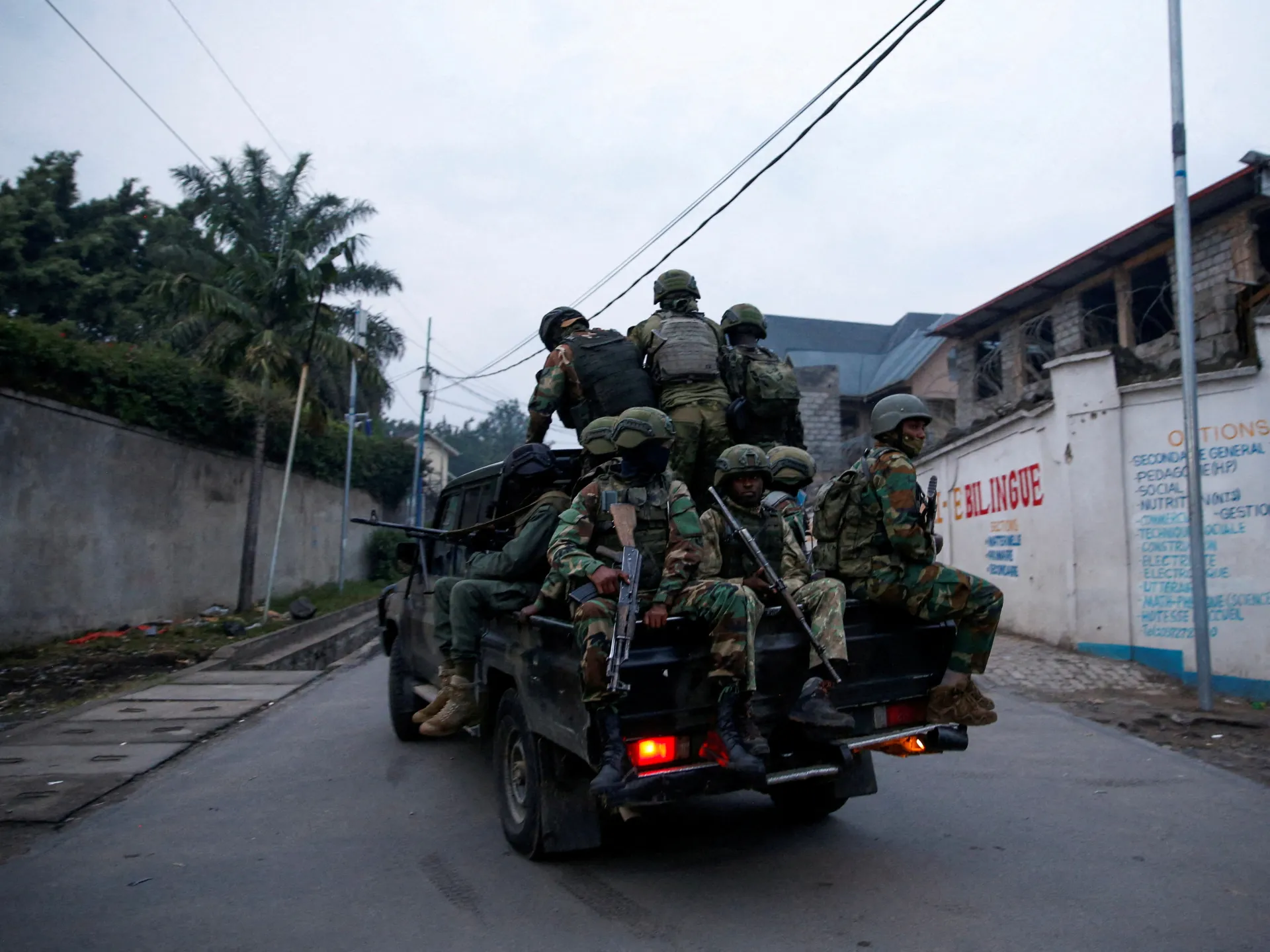
A military court in the Democratic Republic of Congo has sentenced 66 soldiers to death for cowardice, mutiny, and disobeying orders. The verdicts follow a 12-day trial in Walikale, North Kivu, where 71 troops were tried after allegedly fleeing during clashes with rebel forces in October. While authorities claim the trials aim to restore discipline, human rights groups criticize the fairness of the proceedings and the reinstatement of capital punishment.
A military court in the Democratic Republic of Congo has sentenced 66 soldiers to death for cowardice, mutiny, and disobeying orders. The verdicts follow a trial of 71 troops in Walikale, North Kivu, where four were acquitted and one received a 10-year prison sentence. The soldiers were arrested in October for allegedly fleeing during clashes with rebel forces. This action is part of a broader government effort to enforce discipline, though rights groups criticize the reinstated death penalty and the fairness of the trials.
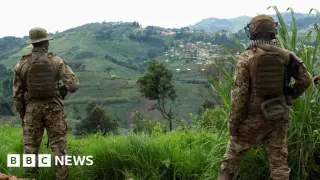
A September 17 ambush in the Democratic Republic of Congo’s South Kivu province resulted in approximately 20 casualties, including the death of a former New Zealand Special Air Service soldier and the wounding of former UFC fighter Tim Kennedy. The incident involves private military contractors linked to Erik Prince’s company, Vectus Global, which operates under a contract with the Congolese government. While the New York Post and Reuters report that Rwandan-backed M23 rebels likely tracked a surveillance drone to locate the target, the New York Times emphasizes the secretive nature of Prince’s expanding role in the region. Kennedy, who suffered three gunshot wounds to the leg, was evacuated to the United States, while the New Zealand soldier, identified by the NZ Herald as Justin Conaglen, was repatriated for burial. The attack highlights the growing involvement of private security firms in the resource-rich but conflict-plagued eastern Congo, raising questions about the boundaries of state sovereignty and private military operations.
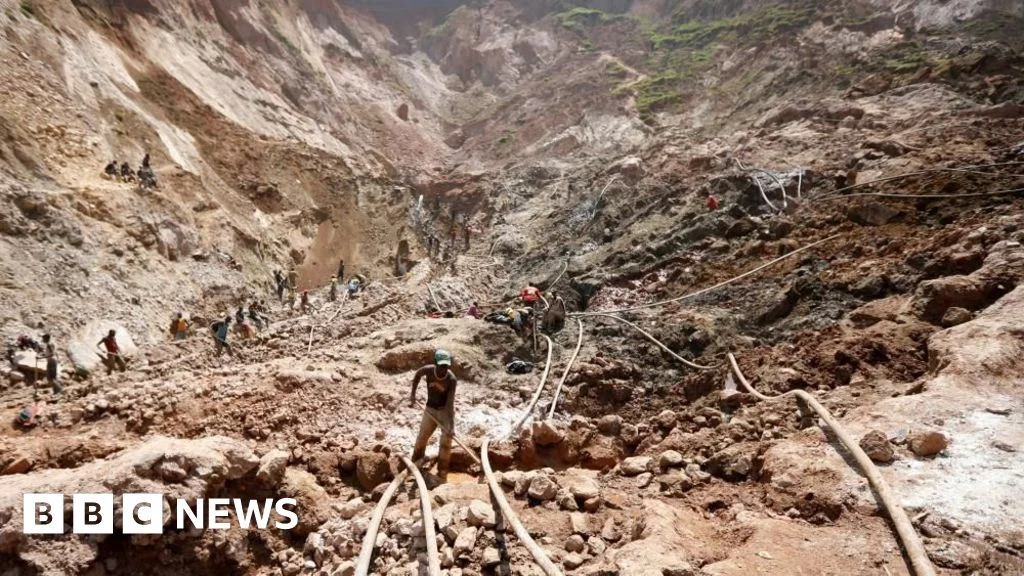
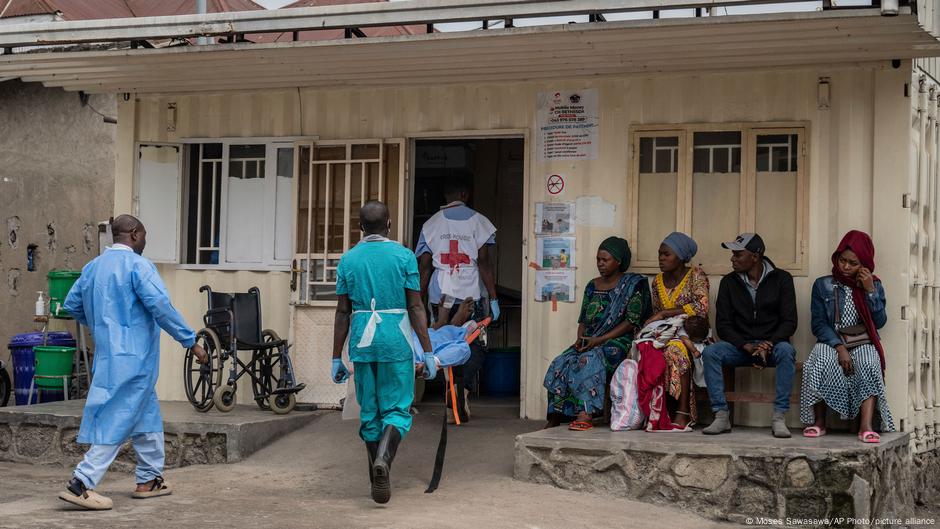
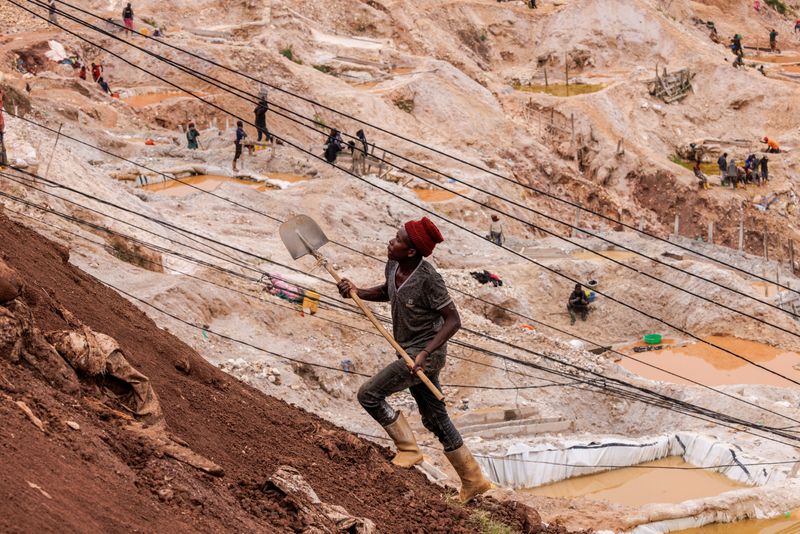
A landslide at the Rubaya coltan mine in eastern DR Congo, driven by heavy rains, killed more than 200 people (including about 70 children) with many others injured and evacuated to Goma. The M23 rebel group disputed the toll and blamed bombings, while officials cited ongoing safety and illegal mining concerns. Rubaya is a major global coltan source, accounting for roughly a portion of world supply.
More than 200 people were killed when a coltan mine in Rubaya, North Kivu, collapsed after heavy rains. The site is under M23 rebel control and has been poorly maintained, hindering rescue efforts. Among the dead were women and children, with about 20 survivors hospitalized. The mine holds a large share of the world’s coltan, and governance in the area is complicated by rebel taxation and international concern over conditions and accountability.
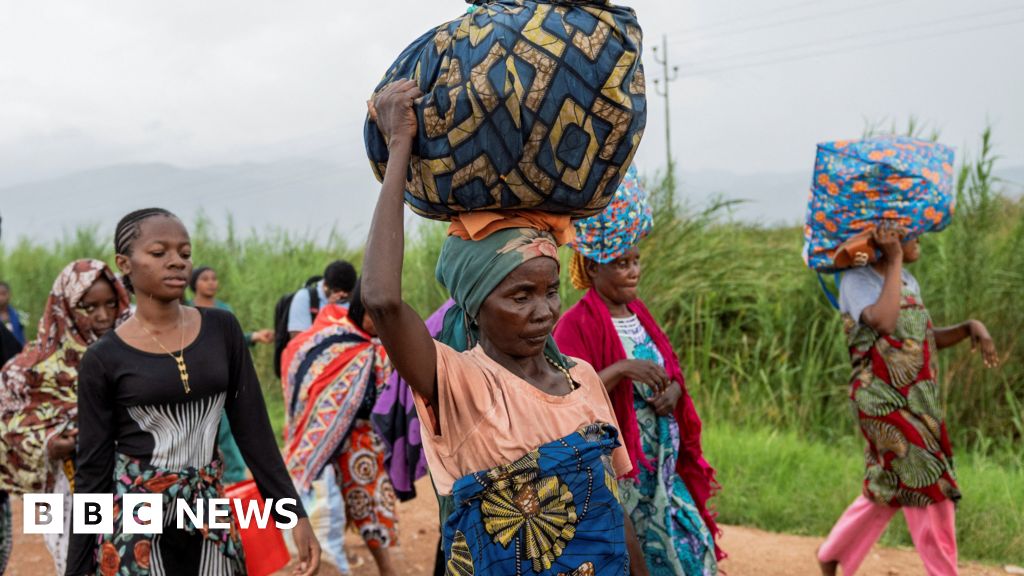
Thousands of refugees fleeing violence in eastern DR Congo face severe conditions in Burundi, with limited access to essentials and rising health risks, amid ongoing conflict and territorial gains by M23 rebels, prompting urgent aid efforts.
M23 rebels in DR Congo claim to be withdrawing from Uvira following US pressure and a peace deal, but the government remains skeptical and calls for verification amid ongoing conflict and displacement.
Rwanda-backed M23 rebels announced they will withdraw from Uvira in eastern Congo following US criticism, as a trust-building measure to support peace negotiations, amid ongoing tensions and accusations of Rwandan support for the rebels.
In Congo, the army and Rwandan-backed rebels are reinforcing positions amid failed peace negotiations, with mistrust and broken promises hindering progress, risking a return to conflict despite claims by Trump that the conflict is over.
A rebel parade by the M23 group in eastern Congo has raised concerns about the upcoming peace deal with the government and Rwanda, as the rebels showcased thousands of new recruits, signaling ongoing military escalation and undermining hopes for peace amid a humanitarian crisis.,
Massacres by Rwandan-backed M23 rebels in eastern Congo have cast doubt on the effectiveness of recent peace efforts, with reports of significant violence against villagers, despite a signed peace agreement and ongoing negotiations, highlighting ongoing instability in the region.
Human Rights Watch reports that M23 rebels in DR Congo killed at least 140 civilians in July, despite ongoing peace efforts, with evidence of summary executions and support from Rwandan forces, highlighting ongoing violence and stalled peace negotiations.
Human rights groups report widespread killings and sexual violence by M23 rebels in eastern Congo, with over 140 deaths in July and ongoing abuses despite peace talks, highlighting a worsening humanitarian crisis.
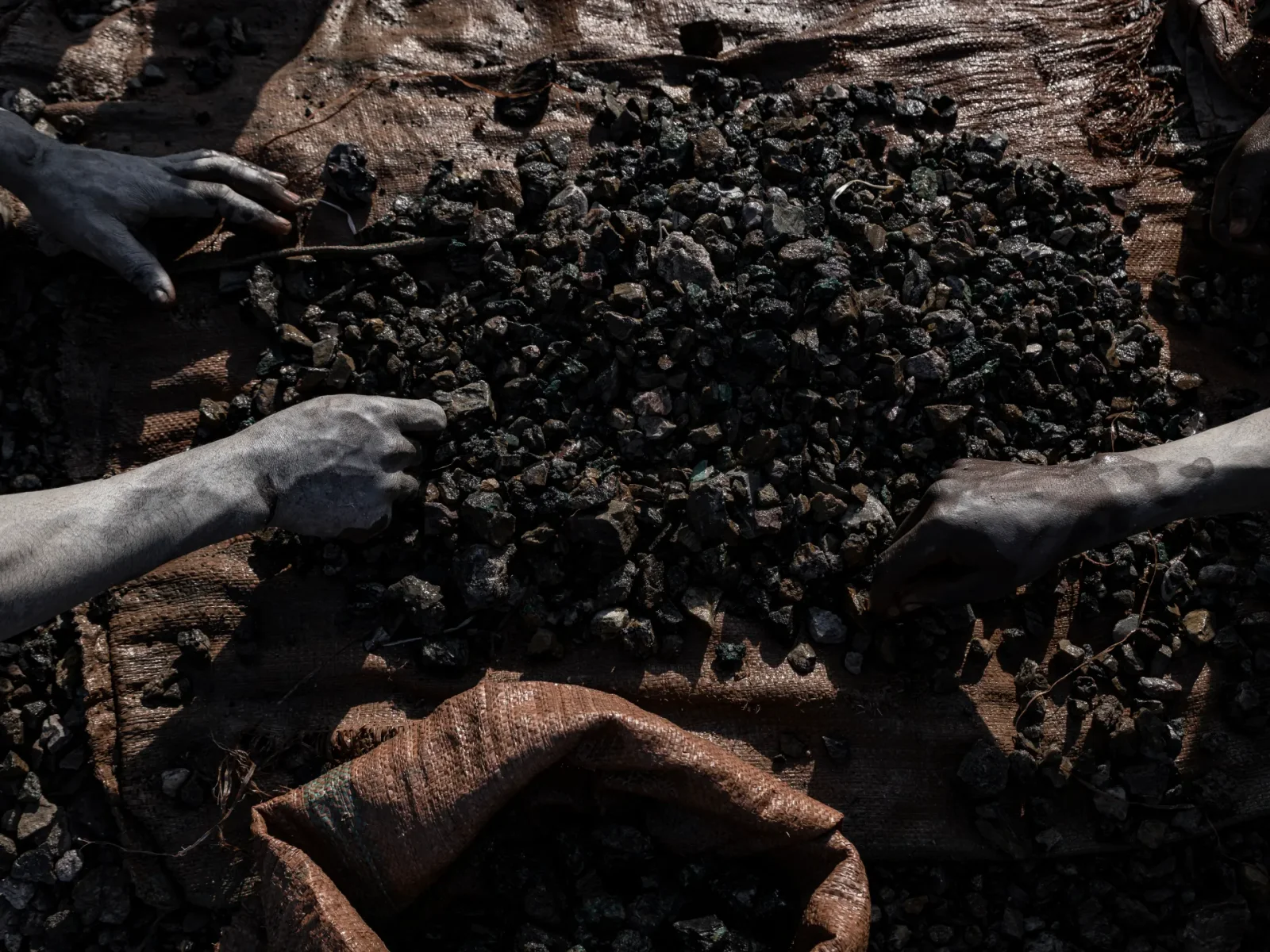
The article explores how the M23 rebel group controls a major coltan mine in Congo, funding their insurgency through illegal mineral trade, which involves local labor, smuggling, and international interests, while peace talks and sanctions attempt to resolve the conflict.
In July, Rwandan-backed M23 rebels killed at least 319 civilians in eastern DR Congo, despite a recent ceasefire, highlighting ongoing violence and a complex peace process involving multiple agreements and international efforts.