
Cofnas fears for life after 30,000-strong vigil honors late Cambridge professor Arday
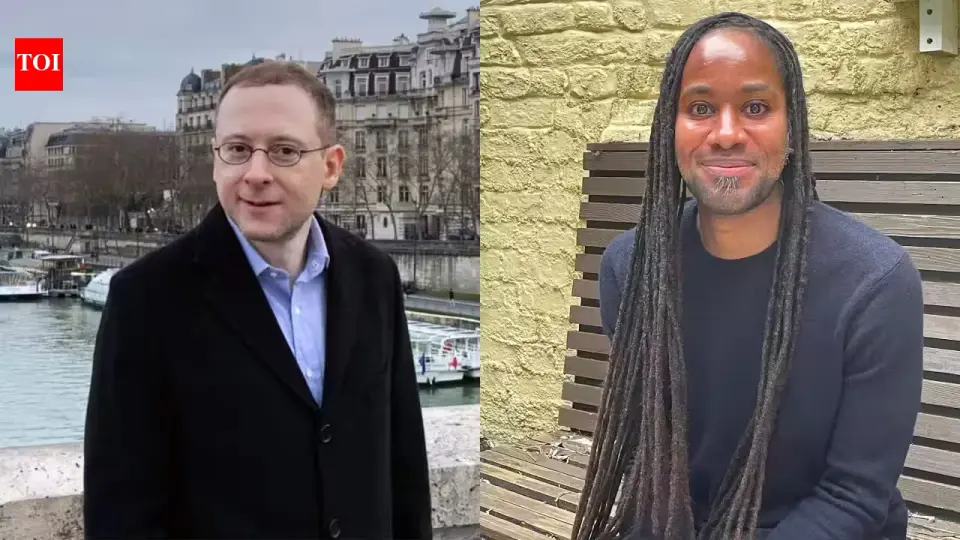
Former Cambridge scholar Nathan Cofnas has stated he fears for his safety after thousands gathered in London to honor Jason Arday, who died days after resigning amid plagiarism allegations. Cofnas, who exposed alleged similarities between Arday’s thesis and prior work, described the August 17 vigil as an 'anti-Cofnas hate rally.' While Arday’s death was ruled unexpected but not suspicious by police, the incident has intensified debates over academic integrity, race, and institutional accountability in UK higher education.
Key points
- Nathan Cofnas, who revealed plagiarism claims against Jason Arday in July 2026, stated on X that he could have been murdered during the August 17 vigil at Trafalgar Square, which drew approximately 30,000 attendees.
- Jason Arday, 41, was found dead in Battersea, London, on August 13, eight days after resigning from Cambridge University amid allegations of academic misconduct and questions regarding his professional biography.
- Cofnas used the software Copyleaks to identify over 100 passages in Arday’s 2015 PhD thesis that closely matched earlier academic work, including a 2009 dissertation by Paula Zwozdiak-Myers.
- The Metropolitan Police stated Arday’s death was unexpected but not suspicious; however, his family alleged he suffered a sustained campaign of abuse and harassment related to the controversy.
- Cambridge University announced an investigation into Arday’s qualifications and honorary appointments on August 5, the same day he resigned, citing unbearable scrutiny.
Background
Jason Arday was appointed to Cambridge University in 2023, becoming the institution’s youngest Black professor. His appointment was part of broader diversity initiatives, but his career faced scrutiny over claims of plagiarism and embellished biographical details, including athletic achievements and fundraising claims. Prior to Cofnas’s public allegations, Times Higher Education had prepared a dossier on potential plagiarism, and Liverpool John Moores University, where Arday completed his PhD, had previously reviewed concerns without finding plagiarism. Arday denied plagiarism but acknowledged mistakes in his academic work.
How outlets are covering it
The Times of India reports Cofnas’s fear of violence following the vigil, noting that while speakers criticized those who questioned Arday’s record, there is no established evidence that the crowd posed a direct threat. MS NOW frames the incident as a failure of universities to protect educators from coordinated attacks, linking Cofnas’s actions to broader right-wing culture-war tactics similar to those in the US. The New Yorker emphasizes the racial dimensions of the controversy, arguing that Arday was targeted by 'race-realists' and that the intensity of scrutiny against Black academics exceeds that faced by white counterparts, while also critiquing Cambridge’s initial lack of oversight.
Why it matters
The case highlights the intersection of academic integrity, racial politics, and public scrutiny in higher education. It raises questions about institutional responsibility in protecting faculty from harassment and the role of social media in amplifying academic misconduct allegations. The incident has sparked broader debates about the balance between accountability and the potential for destructive public campaigns against scholars.
What to watch
Cambridge University is expected to continue its investigation into Arday’s qualifications and academic misconduct. The Metropolitan Police will refer the case to the coroner for further review. Public discourse may continue to focus on the role of online harassment in academic controversies and the need for institutional safeguards for faculty members.
- Ex-Cambridge scholar Nathan Cofnas who exposed Jason Arday plagiarism claims says he could be murdered af The Times of India
- The Tragic Story of Jason Arday The New York Times
- As flawed as he was, University of Cambridge Professor Jason Arday deserved better MS NOW
- Cambridge Professor’s Death Sparks Soul-Searching Over Where to Lay the Blame WSJ
- The Real Meaning of the Jason Arday Scandal The New Yorker
Want the full story? Read the original reporting
Read on The Times of India