
Austria moves to constitutionally ban 'political Islam' after coalition partners confirm draft
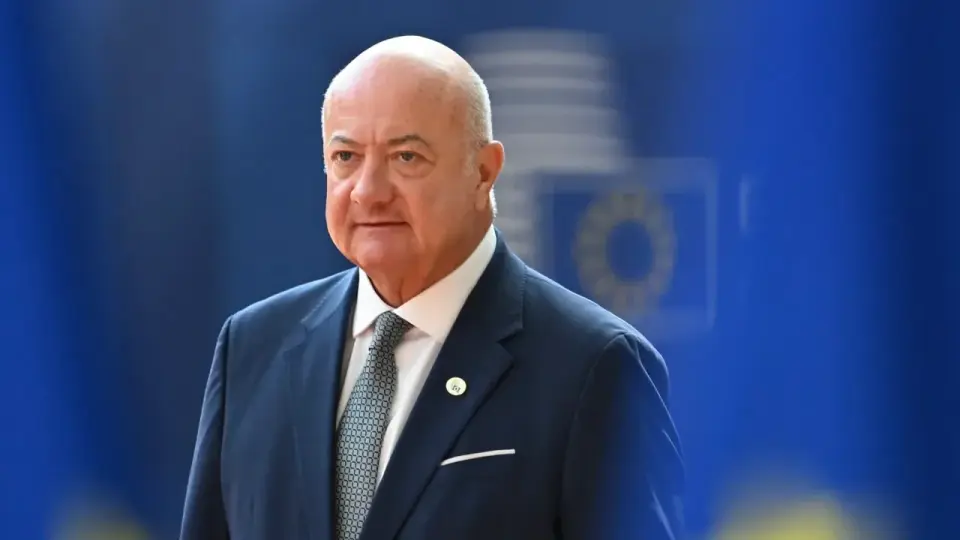
Austrian Chancellor Christian Stocker has initiated the process to constitutionally ban 'political Islam,' with Integration Minister Claudia Bauer preparing a draft for coalition partners. Stocker argues that religious freedom ends when it conflicts with democratic equality and state authority, citing concerns about the influence of religious leaders over schools and courts. The move follows earlier proposals by the Freedom Party and builds on Austria's 2020 establishment of a documentation center for political Islam.
Key points
- Chancellor Christian Stocker announced on August 28 that he intends to implement a constitutional law banning 'political Islam,' describing it as incompatible with democracy and Western values.
- Integration and Europe Minister Claudia Bauer confirmed on August 30 that she is preparing a proposal to send to coalition partners SPÖ and NEOS, stating the government will fight political Islam with all available means.
- Stocker argued that religious freedom is protected until it leads to unequal treatment of believers and non-believers, unequal rights for men and women, or disrespect for state institutions, courts, and authorities.
- Stocker cited data showing that pupils with an Islamic religious affiliation constitute a relative majority (41.2%) in Vienna’s primary and middle schools, raising concerns about whether students will become democrats or be politically influenced by Islamism.
- The proposal follows a March 2026 initiative by the Freedom Party (FPÖ) that sought to prohibit support for political Islam, dissolve associated mosques and organizations, confiscate assets, and potentially revoke citizenship from supporters.
Background
Austria established the Documentation Center for Political Islam in 2020 to research and report on foreign influences from Islamist associations, including the Muslim Brotherhood, Turkey’s Diyanet, and groups like Hezbollah and Hamas. The center defines political Islam as an ideology of supremacy that contradicts rule of law, democracy, and human rights. The 2025 National Situation Report further categorized political Islam as a security threat, distinguishing between violent 'hard-power' Islamism and 'soft-power' Islamism that advances agendas through legal and political means.
Why it matters
This move signals a significant escalation in Austria’s approach to religious and political influence, potentially setting a precedent for other European nations grappling with the integration of religious communities. By targeting 'political Islam' at the constitutional level, the government aims to reinforce the supremacy of secular state institutions over religious authority, particularly in education and legal matters. The legislation could impact the rights of Muslim citizens and organizations, raising questions about the balance between religious freedom and democratic values.
What to watch
Integration Minister Claudia Bauer is expected to finalize the draft proposal and share it with coalition partners SPÖ and NEOS for review. The next steps will involve parliamentary debates and potential amendments to the draft, with the ultimate goal of enacting a constitutional amendment that explicitly bans political Islam. Public and political reactions from various stakeholders, including Muslim community leaders and opposition parties, will likely shape the legislative process.
Want the full story? Read the original reporting
Read on The Jerusalem Post