
Colombia’s New President Orders Immediate Deportations of Irregular Migrants
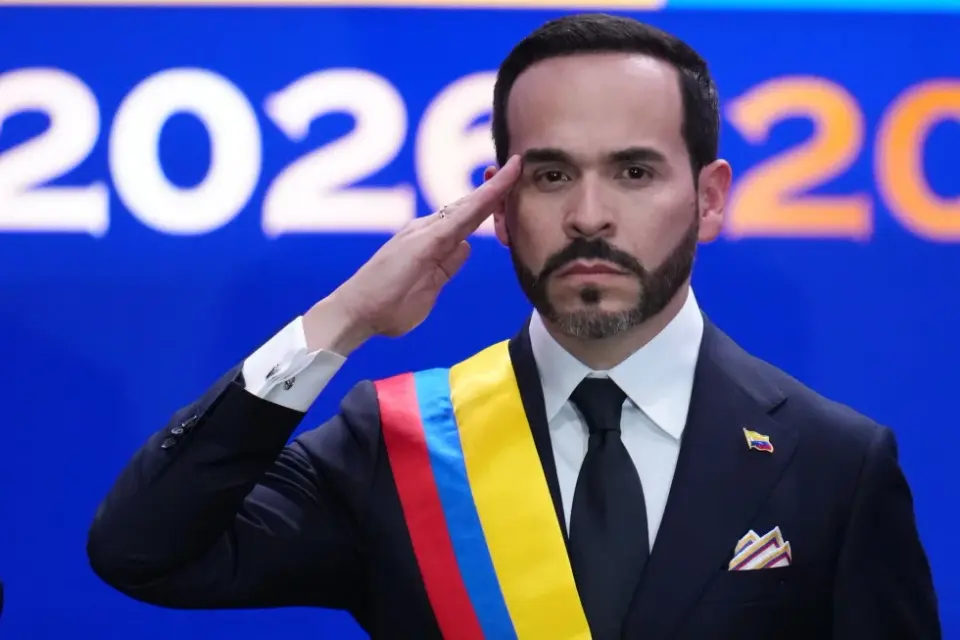
Colombian President Abelardo de la Espriella has ordered immediate police and immigration raids to deport migrants without legal status, marking a sharp reversal of the country’s decade-long welcoming policy toward Venezuelan refugees. The far-right leader, in office for less than three weeks, declared that 'Colombians come first' and vowed to expel those in 'irregular' situations, a move that primarily targets the 2.8 million Venezuelans in Colombia. While the administration frames this as a security measure against crime, critics and legal experts argue it is xenophobic and legally flawed, noting that Colombia has no 'illegal' immigrant category. The announcement coincides with the aftermath of a deadly earthquake and aligns with similar anti-immigration stances taken by allied leaders in Argentina and Chile.
Key points
- President de la Espriella ordered coordinated police and migration authority operations to begin within the week to identify and deport migrants.
- The policy targets those in 'irregular' status, affecting approximately 848,000 Venezuelans, including 193,000 children and adolescents.
- The president declared that 'Colombians come first,' echoing the rhetoric of US President Donald Trump, his political ally.
- Critics, including opposition politicians and human rights groups, label the move as xenophobic and a violation of human rights.
- Legal experts note that Colombian law does not recognize 'illegal' immigrants, only those in 'irregular' situations, as lack of documentation is not a crime.
- The announcement was made during a security meeting in Barranquilla, which the president has effectively turned into an alternate capital.
Background
Colombia has historically been a global model for migration management, absorbing nearly a third of Venezuela’s diaspora since 2015. Under previous governments, including those of Iván Duque and Gustavo Petro, the country established pathways for legal residency, granting temporary permits to over 2.3 million Venezuelans as recently as July 2026. This new policy represents a complete departure from that approach. The move occurs amid broader regional trends, where far-right leaders in Argentina and Chile have also tightened migration rules. Additionally, the announcement comes shortly after a devastating earthquake in August 2026, which has strained national resources and heightened public anxiety.
How outlets are covering it
AP News and Euronews report the core facts of the presidential order, emphasizing the immediate timeline and the 'Colombians first' rhetoric. The Guardian provides additional context on the political alignment with Donald Trump and the specific numbers of affected Venezuelan children. El País offers a deeper legal and political analysis, highlighting that Colombian law does not classify migrants as 'illegal' but rather in 'irregular' status. It also includes quotes from opposition figures like María Fernanda Carrascal, who calls the policy 'cruel' and 'xenophobic,' and experts like Ronal Rodríguez, who warn that the rhetoric stigmatizes migrants without evidence of increased criminality. While all sources agree on the policy’s existence, they differ in emphasis: AP and Euronews focus on the executive action, while The Guardian and El País highlight the humanitarian and legal controversies surrounding it.
Why it matters
This policy shift could destabilize the lives of nearly one million people in Colombia and set a precedent for harsher migration enforcement across Latin America. It risks reversing a decade of successful integration efforts and may exacerbate social tensions. Furthermore, the legal ambiguity of the term 'illegal immigrant' in Colombia could lead to arbitrary enforcement and human rights violations, potentially straining relations with Venezuela and international human rights organizations.
What to watch
The immediate next step is the execution of the promised police and immigration raids, which the president said would begin within the week. Observers will watch for the scale of these operations and whether they target specific communities or are conducted broadly. There will likely be legal challenges from human rights organizations and opposition parties in the Colombian Congress. Additionally, the impact on the Venezuelan diaspora and the broader regional migration crisis will be closely monitored, as well as any diplomatic responses from Venezuela or international bodies like the UN.
- Colombian president orders immigration raids, vows deportations of migrants without legal status AP News
- Colombia’s new president Abelardo de la Espriella announces immigration crackdown The Guardian
- New Colombian president orders immigration raids as part of crackdown Euronews.com
- Abelardo de la Espriella orders immediate deportation of irregular immigrants from Colombia: ‘It’s a political decision’ EL PAÍS English
- Colombia Migration Bluefield Daily Telegraph
Want the full story? Read the original reporting
Read on AP News