
Syria's Former Grand Mufti Sentenced to Life in Prison for War Crimes
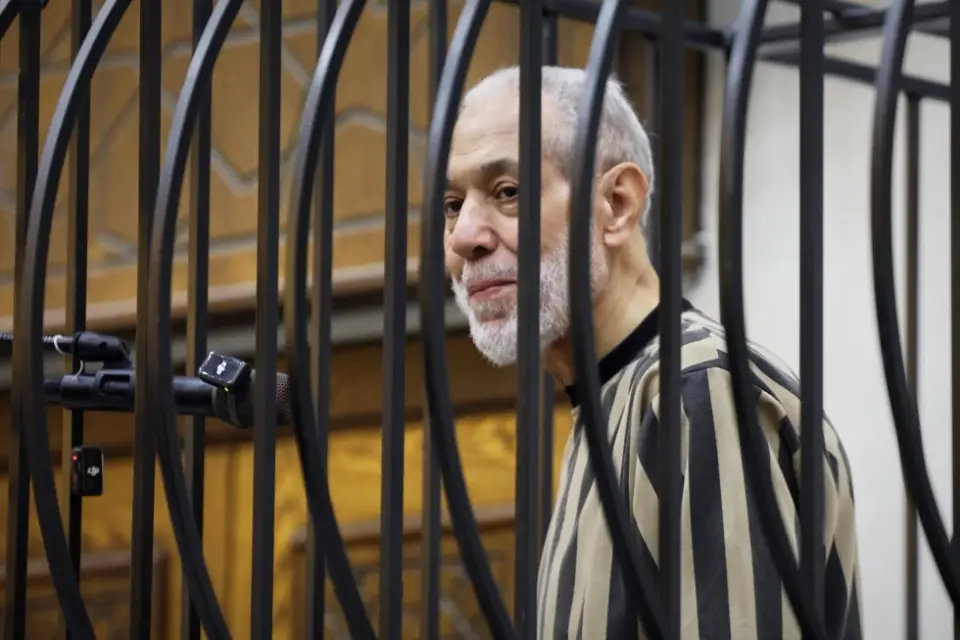
A Damascus court has sentenced Ahmad Badreddine Hassoun, the former grand mufti under ousted President Bashar al-Assad, to life in prison. The verdict, delivered on August 24, 2026, marks a significant step in Syria's transitional justice efforts by holding a top religious official accountable for using his authority to incite violence and justify military operations during the civil war.
Key points
- Ahmad Badreddine Hassoun was sentenced to life in prison by the Fourth Criminal Court in Damascus on August 24, 2026.
- The court found Hassoun guilty of incitement to violence, justifying killings, and abusing his office to support military operations.
- Hassoun received 20 years for inciting killings and an additional 10 years for prolonging them, totaling a life sentence.
- The verdict includes asset confiscation for the public treasury and bars Hassoun from any amnesty.
- This is a rare case targeting a high-ranking religious official from the Assad era, following recent death sentences for Assad family members.
Background
This sentencing follows a series of high-profile war crimes trials in Syria since the fall of the Assad regime in 2024. In August 2026, Bashar al-Assad and his cousin Wassim al-Assad were sentenced to death for war crimes, with Wassim's trial being the first in-person sentencing of an Assad family member. The current case against Hassoun represents a broader effort by the new Syrian government to hold former regime officials, including religious leaders, accountable for their roles in the conflict.
Why it matters
The sentencing of a top religious figure like the grand mufti signals a shift in Syria's transitional justice approach, targeting not just military and political leaders but also those who provided ideological justification for the regime's actions. It underscores the new government's commitment to accountability and may set precedents for future trials of other former officials.
What to watch
Hassoun will serve his life sentence, and his assets will be confiscated. The case may influence future prosecutions of other former Assad-era officials, particularly those involved in religious or ideological support for the regime. Extradition efforts for other fugitives, such as Bashar al-Assad, remain ongoing but uncertain.
Want the full story? Read the original reporting
Read on AP News