
Gaza Photographer Admits Withholding Hostage Abuse Footage to Protect Mob
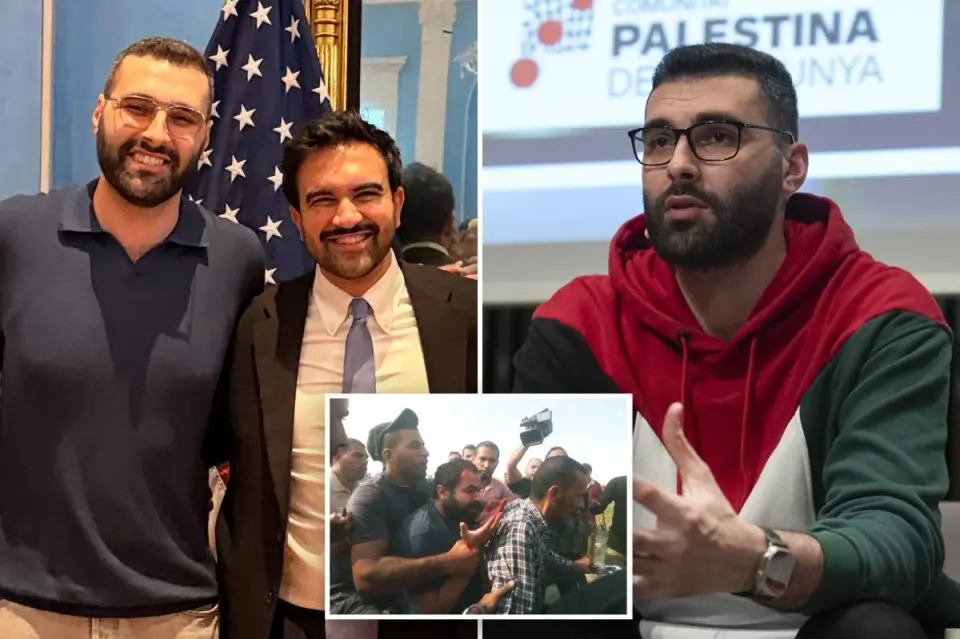
Motaz Azaiza, a prominent Gaza photojournalist, admitted in a podcast interview that he filmed Israeli hostages being beaten by a Palestinian mob on October 7, 2023, but chose not to publish the footage to protect the perpetrators from Israeli retaliation. Azaiza, who has met with NYC Mayor Zohran Mamdani and was named to Time’s 100 most influential list, also revealed that Hamas controls media coverage in Gaza through a single WhatsApp group. While he criticized Hamas for plunging the enclave into war and suppressing dissent, outlets are divided on whether his decision to withhold evidence of abuse was ethical or a failure of journalistic duty.
Key points
- Azaiza stated he did not publish the footage because he feared Israel would identify and kill the Gazans who participated in the beating.
- He revealed that all journalists in Gaza are part of a Hamas-run WhatsApp group called 'Smart,' which coordinates coverage and targets those who criticize the group.
- Azaiza, now living in Qatar, criticized Hamas for causing the death of an estimated 73,000 people and for forcing women to urinate into plastic buckets due to infrastructure destruction.
- Survivor Itay Regev and reports on the desecration of hostage Shani Louk’s body provide independent confirmation of the abuse Azaiza witnessed but did not broadcast.
- Azaiza has been honored with a Nobel Peace Prize nomination and attended Mayor Mamdani’s election night party, despite his recent admissions.
Background
Azaiza gained international fame in 2024 for his coverage of the Israel-Hamas war, earning a spot on Time’s 100 most influential people list. Our archive notes that he previously discussed his exile in Qatar and his criticism of Hamas leadership. Recent IDF operations have targeted Hamas commanders, including those who held hostages after October 7, highlighting the ongoing conflict that shaped Azaiza’s reporting environment.
How outlets are covering it
The New York Post reports Azaiza’s admissions factually, noting his high-profile connections and his own condemnation of Hamas. In contrast, The Jerusalem Post editorializes that Azaiza should face consequences for ethical misconduct, arguing he could have blurred faces or submitted footage for independent verification rather than withholding it entirely. UA.NEWS summarizes the dispute, highlighting the Jerusalem Post’s call for accountability while noting Azaiza’s claims of Hamas pressure. The Jerusalem Post also cites broader media failures, such as the Committee to Protect Journalists removing combatants from casualty databases, to argue that institutions promoting Azaiza must scrutinize his actions. Azaiza himself frames his decision as a moral choice to prevent indirect deaths, while critics view it as a betrayal of the victims.
Why it matters
This case highlights the ethical dilemmas faced by journalists in conflict zones, where safety concerns may conflict with the public’s right to know. It also raises questions about the role of international media institutions in vetting and promoting journalists who may have suppressed critical evidence. The revelation of Hamas’s control over Gaza’s media landscape through a single WhatsApp group underscores the challenges of obtaining unbiased reporting from the territory.
What to watch
Azaiza is expected to face scrutiny from media institutions that previously honored him. The Jerusalem Post has called for independent verification of his withheld footage. Azaiza may continue to live in exile, while the debate over journalistic ethics in conflict zones will likely persist. The broader implications for how media outlets handle sensitive footage from war zones may be reassessed.
- Gaza journalist who met with Mamdani admits he buried footage of Israeli hostages being beaten to protect perpetrators New York Post
- Gazan photojournalist Motaz Azaiza should face consequences for his actions The Jerusalem Post
- Gazan activist admits self-censorship by journalists in the Strip over Hamas criticism Jewish News
- Gaza photojournalist says he has unpublished footage of hostage assault — Jerusalem Post UA.NEWS
- Gaza Photojournalist Motaz Azaiza reveals how cameras went down when civilians spoke out against Hamas organiser.org
Want the full story? Read the original reporting
Read on New York Post