
Hormuz Traffic Plummets to 12 Vessels as Saudi Crude Exports Surge
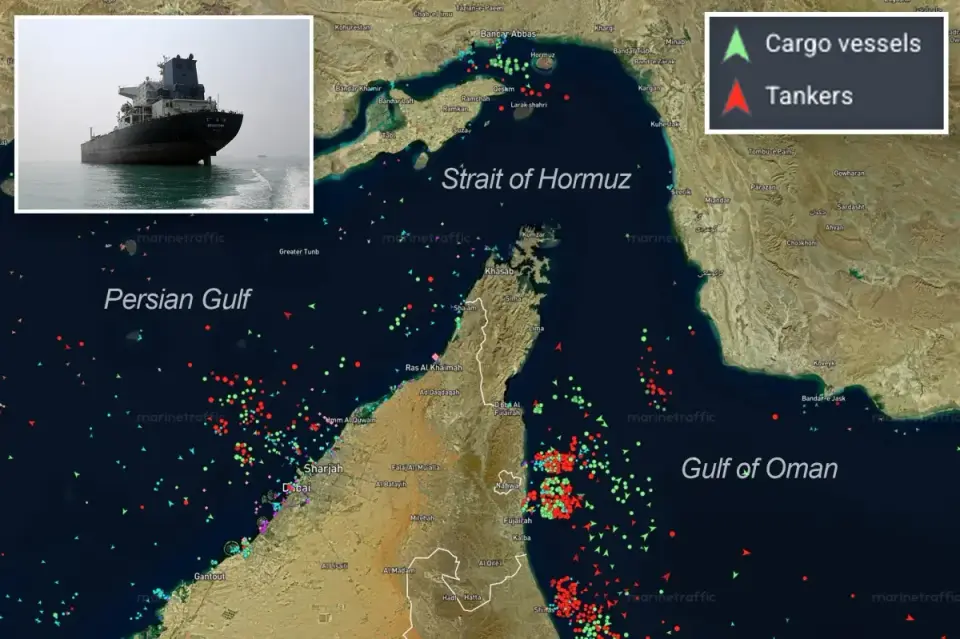
Visible shipping traffic through the Strait of Hormuz has collapsed to a trickle, with only 12 commodity vessels transiting last weekend compared to 35 the previous week. This sharp decline in trackable traffic occurs despite a significant surge in Saudi crude exports, which have recovered to over 4 million barrels per day. The shift is driven by Houthi attacks on Saudi Arabia's East-West pipeline, forcing the state energy firm to reroute shipments through the strait. While visible traffic has dwindled, Middle Eastern producers continue exporting oil via tankers with transponders turned off, suggesting actual flows remain higher than public data indicates.
Key points
- Only 12 commodity vessels transited the Strait of Hormuz last weekend, down from 35 the prior weekend, according to shipping data from Kpler.
- Visible traffic has dwindled to a trickle, though producers continue exporting oil on tankers with transponders off.
- Saudi Arabia's crude exports have recovered to over 4 million barrels per day in September, up from 2.4 million in August, the lowest since 2013.
- Houthi attacks on Saudi Aramco's East-West pipeline have prompted the firm to increase exports through the Strait of Hormuz after halting some shipments via Yanbu.
- JPMorgan analysts noted that total oil flows averaged 17.1 million barrels per day in the past 10 days, just 6.1 million below the 2025 average, with Saudi flows through Hormuz averaging 2.9 million bpd over the last six days.
Background
This development follows months of escalating US-Iran tensions and a naval blockade of the Strait of Hormuz. In August, Iran set conditions for reopening the strait, demanding sanctions relief and compensation, while a vessel was struck in the waterway. By September, Iran had shifted to calculated escalation, leveraging the strait to raise shipping costs and energy prices. Recent strikes on Iran-linked oil tankers by the US in early September underscored the continued volatility in the region, with the current drop in visible traffic reflecting the ongoing stalemate and security concerns.
Why it matters
The Strait of Hormuz is a critical conduit for a fifth of the world's oil and liquefied natural gas. A significant drop in visible traffic, even if partially offset by untracked shipments, signals heightened risk and potential disruptions to global energy supplies. The surge in Saudi exports through the strait, driven by pipeline attacks, highlights the fragility of regional infrastructure and the complex interplay between conflict, logistics, and energy markets. This situation could lead to increased volatility in oil prices and further geopolitical tensions in the Middle East.
What to watch
Analysts will monitor whether the surge in Saudi exports through the Strait of Hormuz continues or if further disruptions occur. The status of the US-Iran stalemate and any potential diplomatic breakthroughs will be crucial in determining whether visible traffic recovers. Additionally, the impact of Houthi attacks on Saudi infrastructure and any retaliatory actions could further influence shipping routes and energy flows in the region.
Want the full story? Read the original reporting
Read on New York Post