
Houthi Drone Strike on Saudi Refinery Tests New Defense Pact
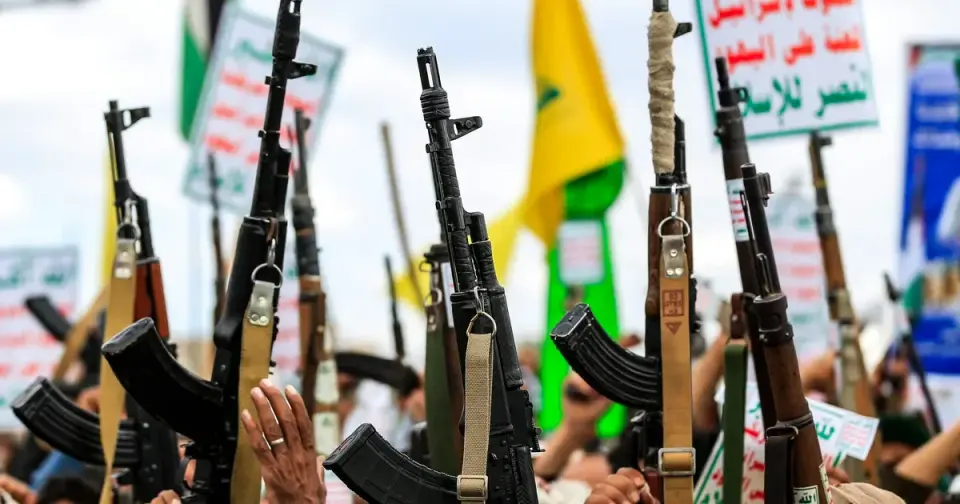
Yemen’s Houthis claimed responsibility for a drone attack on Saudi Aramco’s Jazan refinery on August 9, 2026, causing a fire that was extinguished without injuries. The strike occurred two days after Saudi Arabia signed a collective defense pact with Turkey and Pakistan. Simultaneously, Houthi forces targeted the Yemeni port of Mocha, killing seven people. The attack highlights the immediate limitations of the new alliance, as neither Turkey nor Pakistan responded to the Saudi incident.
Key points
- Houthi spokesperson Yahya Saree confirmed a drone strike on the Jazan refinery, which processes 400,000 barrels of crude daily, in retaliation for Saudi drone activity in Saada and Hajjah.
- The Saudi Ministry of Energy confirmed a fire at the facility but stated it was extinguished with no casualties; Riyadh did not disclose the cause.
- The attack followed the signing of the Mecca Joint Defense Agreement on August 7, 2026, between Saudi Arabia, Turkey, and Pakistan, which stipulates that an attack on one member is an attack on all.
- Houthi forces also launched missile and drone strikes on the port of Mocha in Yemen, killing seven people and damaging infrastructure, according to Yemeni officials.
- Neither Turkey nor Pakistan issued statements or took action in response to the refinery attack, raising questions about the pact's operational readiness.
Background
The strikes occur amid broader regional instability following the US-Israel war on Iran, which began in February 2026. Iran and its allied groups have been targeting Gulf states and blockading energy shipments since the conflict escalated. Previous archive coverage from August 9, 2026, confirmed the Houthi claims regarding the Mocha port and Jazan refinery, noting that the attacks were part of a broader pattern of disruption in the Red Sea corridor.
How outlets are covering it
HuffPost and The Guardian reported the attack as a direct challenge to the newly signed defense pact, noting that neither Turkey nor Pakistan responded. The Jerusalem Post provided a more critical analysis, arguing that the pact’s collective defense clause is comparable to NATO’s Article 5 but lacks automatic military response, as seen in the 2003 Iraq war. The Jerusalem Post also highlighted that Pakistan’s defense minister had previously implied a nuclear guarantee for Saudi Arabia, a claim not supported by the published text. All sources agreed that the attack exposed the limits of the alliance’s immediate deterrent value.
Why it matters
The incident underscores the fragility of regional security arrangements in the Middle East. The failure of the new defense pact to trigger a response from its allies may embolden Iran-aligned groups to continue targeting Saudi infrastructure. It also raises questions about the practicality of collective defense agreements in a region where geopolitical interests often diverge from military commitments.
What to watch
Analysts will watch for any formal response from Turkey or Pakistan to the Houthi attack. The status of the Strait of Hormuz remains a key variable, as Iran has linked its reopening to US concessions. Further Houthi strikes on Saudi or Yemeni targets are likely if the current diplomatic stalemate persists.
- Yemen's Houthis Attack Saudi Refinery After Kingdom Signs Defense Pact HuffPost
- Yemen's Houthis attack Saudi refinery after kingdom signs defence pact Reuters
- Mecca Joint Defense Agreement unresponsive to Houthi attack in Jizan The Jerusalem Post
- Saudis Delay Restart of Jazan Plant to Late August, IIR Says Bloomberg.com
- Iran-aligned Houthis claim they attacked oil refinery in Saudi Arabia The Guardian
Want the full story? Read the original reporting
Read on HuffPost