
Ceuta Border Crisis: Military Deployed as Thousands Cross from Morocco, 9 Dead
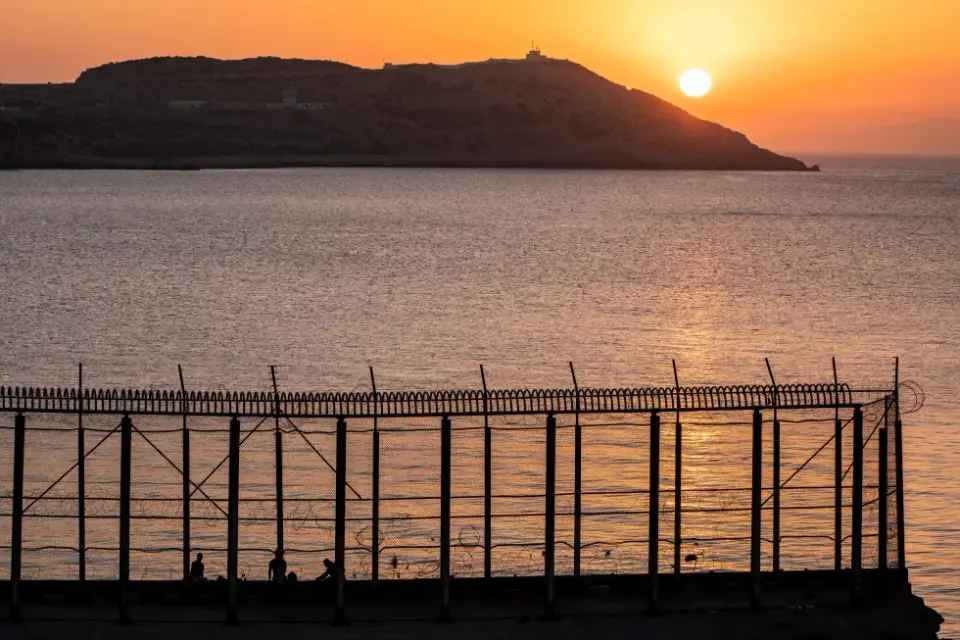
Spain has deployed its military to the North African enclave of Ceuta after thousands of migrants breached the border with Morocco, resulting in at least nine deaths. Local authorities declared a 'total humanitarian and social emergency' as reception centers overflowed, with over 1,500 arrivals reported in the preceding days. While Madrid and Rabat claim cooperation to manage the influx, the crisis has strained diplomatic ties and overwhelmed local infrastructure, prompting calls for a national emergency declaration that the central government has refused to grant.
Key points
- At least nine people died during the border breach, with bodies found in the water; dozens have died this year attempting the crossing.
- Spain deployed the Armed Forces to assist the Civil Guard in maintaining security, as local authorities requested a national emergency declaration.
- Ceuta’s president, Juan Jesús Vivas, reported that reception centers are saturated, with facilities for unaccompanied minors operating at 2,400 percent capacity.
- A Spanish Supreme Court ruling earlier this month, which prevents summary return of sea arrivals without due process, is cited by some as a trigger, though others dispute this link.
- Interior Minister Fernando Grande-Marlaska and Prime Minister Pedro Sánchez are visiting Ceuta to coordinate the response and ensure humanitarian aid.
Background
This incident echoes the May 2021 crisis, when over 8,000 migrants entered Ceuta in two days following a diplomatic dispute between Spain and Morocco. Ceuta and Melilla remain the EU’s only land borders with Africa, making them critical points for migration into Europe. Recent diplomatic interactions, including a meeting between Spanish Prime Minister Pedro Sánchez and Algerian President Abdelmadjid Tebboune, have heightened regional tensions, though the direct link to the current surge is unconfirmed.
How outlets are covering it
Outlets differ on the primary cause of the surge. AP and Euronews highlight a Spanish Supreme Court ruling that prohibits immediate return of sea arrivals, which Ceuta’s president blames for the influx. However, NBC News and Euronews note that Moroccan activists, including Omar Naji, doubt this legal change prompted the mass crossing, suggesting migrants were unaware of the ruling. Instead, some link the timing to recent diplomatic meetings between Spain and Algeria. While Spain’s Interior Ministry emphasizes 'faithful' cooperation with Morocco to stop crossings, local authorities in Ceuta describe the situation as 'absolute chaos' and 'total collapse' of border control, indicating a disconnect between central government assurances and on-the-ground realities.
Why it matters
The crisis exposes the fragility of EU border security and the humanitarian toll of migration routes. It tests the limits of Spain-Morocco cooperation and raises questions about the effectiveness of legal reforms in managing migration. The deployment of the military signals a potential escalation, while the refusal to declare a national emergency highlights political constraints in addressing migration as a security issue.
What to watch
Spain’s Interior Ministry will publish its next migration report on August 3, providing updated figures on arrivals. The central government is expected to continue coordinating with Moroccan authorities to facilitate the return of those who entered illegally. Local authorities may continue to press for a national emergency declaration, while the military presence aims to restore order and prevent further breaches. The humanitarian situation in Ceuta will remain a focus, with efforts to expand reception capacity and provide aid to those stranded.
- Hundreds of migrants are swimming from Morocco to the Spanish territory of Ceuta apnews.com
- Hundreds of migrants enter Spain's north African territory Ceuta from Morocco France 24
- Thousands break through border of Morocco into Spain’s African Ceuta enclave NBC News
- Leader of Spain's Ceuta warns of emergency as 1,500 migrants arrive in one week Reuters
- Hundreds of migrants swim from Morocco to the Spanish territory of Ceuta Euronews.com
Want the full story? Read the original reporting
Read on apnews.com