
Italy's Failed Blue Crab Cull Sparks a New Octopus Experiment
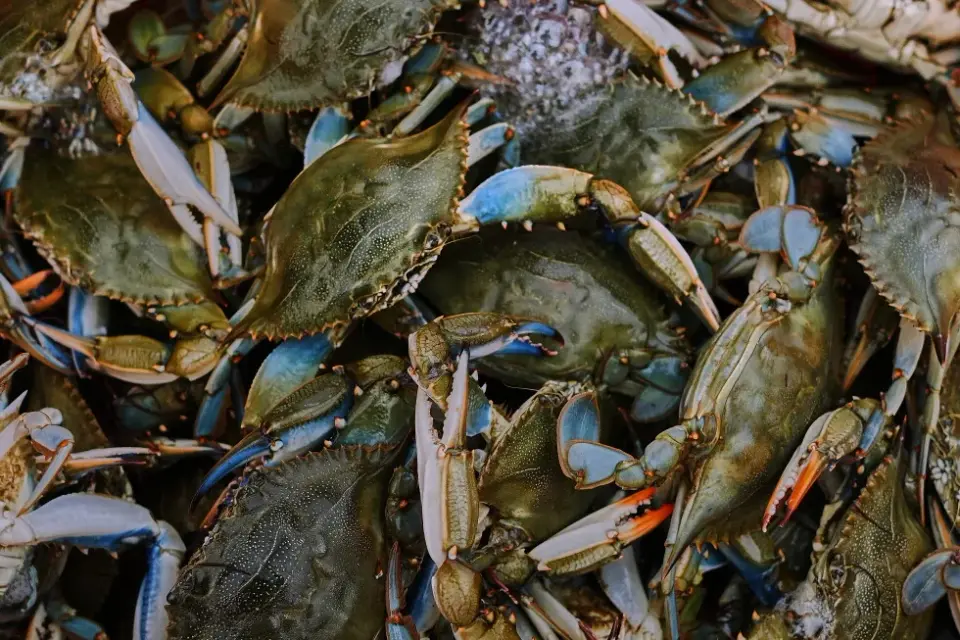
Italy has begun exporting invasive blue crabs to Sri Lanka after a failed government eradication program. Fishermen in the Po Delta, whose clam income collapsed, now sell crabs for 1.30 euros per kilogram, a fraction of the 10 euros previously earned for clams. To control the population, scientists recently released 150,000 baby octopuses into the Adriatic Sea, though experts remain skeptical of its effectiveness.
Key points
- The Italian government's 2024 blue crab eradication program, which paid fishermen to catch and incinerate 2.3 million kilograms of crabs, has been shelved due to the species' high reproductive rate.
- Female blue crabs can produce up to 8 million eggs per season, making culling efforts insufficient to control the population.
- Fishermen in the Po Delta, Sacca di Goro, and Orbetello lagoon have shifted from clam harvesting to crab collection, with clams now accounting for only 10% of their income.
- Crab prices are significantly lower than clams, fetching 1.30 euros per kilogram compared to 10 euros for clams.
- University of Bologna scientists released 150,000 baby octopuses into the Adriatic Sea in summer 2026 to prey on crabs, but most are not expected to survive.
- Experts and fishermen are skeptical of the octopus strategy, noting that crabs thrive in sandy lagoons while octopuses prefer rocky environments.
Background
This story follows the broader economic and ecological crisis in Italy's coastal regions, where the collapse of the clam industry due to invasive blue crabs has forced fishermen to adapt their livelihoods. The 2024 government intervention marked a significant attempt to address the issue, but its failure has led to new, experimental solutions like the octopus release. The archive article on a Canadian photographer in Shanghai is unrelated to this story and provides no relevant background.
How outlets are covering it
The AP News report provides a comprehensive overview of the situation, detailing the failed eradication program, the economic impact on fishermen, and the new octopus experiment. The Telegraph and dailyrecordnews.com sources are inaccessible due to security and file-not-found errors, respectively, and therefore offer no additional perspectives or information. The AP report highlights the skepticism of fishermen and experts regarding the octopus strategy, emphasizing the crabs' high reproductive potential and the mismatch between octopus and crab habitats.
Why it matters
The situation in Italy's coastal regions highlights the complex challenges of managing invasive species and the economic vulnerabilities of local communities dependent on specific industries. The failure of the eradication program and the uncertain outcome of the octopus experiment underscore the need for effective, long-term solutions to protect both the environment and the livelihoods of fishermen.
What to watch
The success of the octopus release will be monitored in the coming months, with most baby octopuses not expected to survive. The Italian government may need to explore alternative strategies to control the blue crab population, given the failure of the eradication program. Fishermen will continue to rely on crab sales, but their earnings remain significantly lower than those from the clam industry.
- Italy has started exporting a delicacy prized abroad, reviled at home AP News
- Invasive blue crabs are now on the menu for both octopuses and gourmets Yahoo
- Italy tackles blue crab invasion with army of octopuses The Telegraph
- Italy Blue Crab Invasion dailyrecordnews.com
- Italians enter uneasy truce with invasive blue crabs, exporting crustaceans they won't eat tdtnews.com
Want the full story? Read the original reporting
Read on AP News