
Second-Day Drone Assault Targets Kyiv Infrastructure and Housing
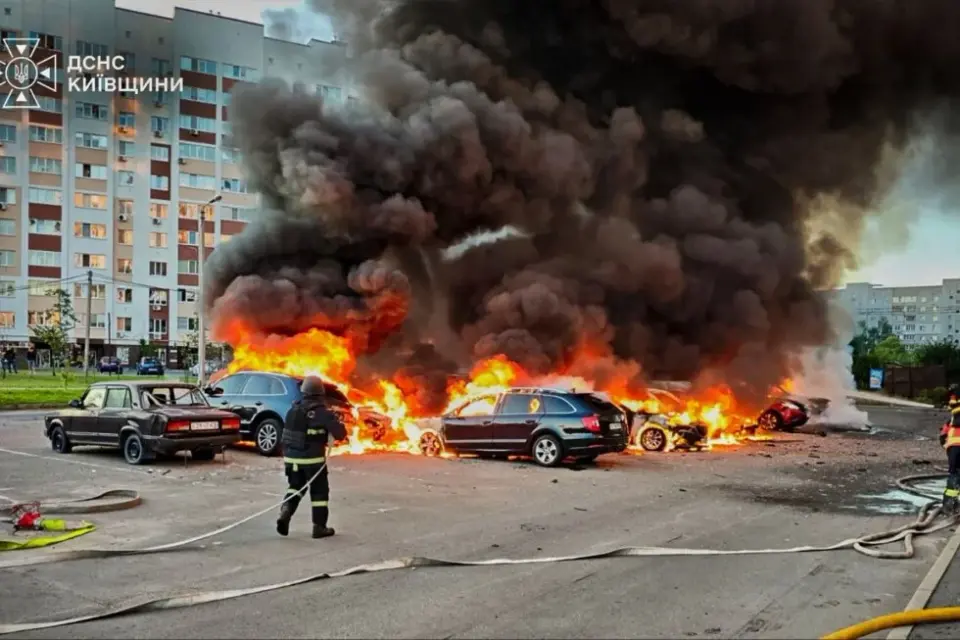
Russian forces launched a second consecutive day of drone attacks against the Kyiv region, targeting residential apartments and commercial warehouses. The assault marks a significant escalation in aerial bombardment, following a major missile and drone barrage earlier in the month that struck critical infrastructure and hospitals. While specific casualty figures for this latest wave are not detailed in the report, the sustained nature of the strikes indicates a persistent Russian strategy to degrade Ukrainian urban resilience and logistics networks.
Key points
- Russian drones struck the Kyiv region for the second day in a row, hitting both residential apartments and warehouses.
- The attacks represent a widening of the aerial campaign, following a major missile and drone barrage earlier in August that damaged a children's hospital and killed at least five people.
- The assault highlights ongoing pressure on Ukraine's air defense systems, which have faced challenges including Patriot interceptor shortages.
- The strikes target dual-use infrastructure, aiming to disrupt both civilian life and commercial logistics in the capital region.
Background
This latest barrage follows a pattern of intensified Russian aerial campaigns against Kyiv. In late August, a significant missile and drone attack struck multiple districts, including a children's hospital, resulting in at least five deaths and 23 injuries. Earlier in July, Kyiv experienced its largest ballistic missile barrage since the invasion began, with approximately 40 missiles fired, causing widespread fires and infrastructure damage. These attacks are part of a broader conflict where Ukraine has simultaneously targeted Russian logistics and energy facilities, including Wildberries warehouses and oil depots, in an effort to disrupt Moscow's war economy.
Why it matters
The second-day drone assault underscores the escalating intensity of the aerial war in Ukraine. By targeting both residential and commercial sites, Russia aims to erode public morale and disrupt economic activity in the capital. The persistence of these attacks, despite Ukrainian air defenses, highlights the ongoing strain on interceptor supplies and the critical need for sustained international support to protect civilian populations and infrastructure.
What to watch
Ukrainian authorities are likely to assess the damage and coordinate emergency response efforts in the affected districts. The continued barrage may prompt further international calls for increased air defense supplies, particularly Patriot interceptors, to mitigate the impact of sustained Russian drone and missile campaigns. Ukraine may also respond with targeted strikes on Russian logistics and energy infrastructure to disrupt the supply chain for these attacks.
Want the full story? Read the original reporting
Read on AP News