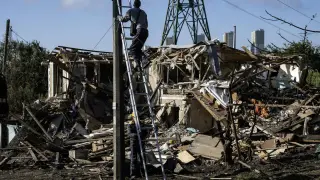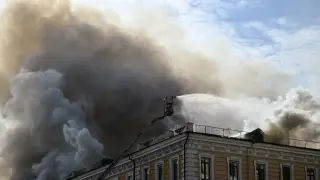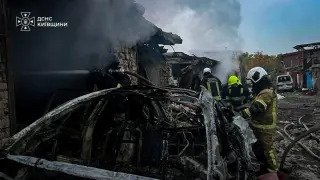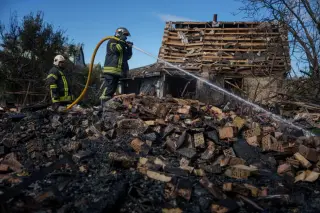
Kyiv endures intensified Russian missile attacks, forcing residents into metro shelters after overnight strikes that killed 16 and damaged homes, while officials warn of an ongoing threat and looming winter hardships in a city increasingly cut off from normal life.
France says it will deliver interceptor missiles to Ukraine to bolster Kyiv's air defences as Russia escalates its attacks, while Vladimir Putin withdraws Russia’s ambassador from London, signaling a deepening diplomatic rift with the UK; the live updates also cover ongoing drone strikes, Putin’s stance on peace talks, and other Ukraine–Russia developments.
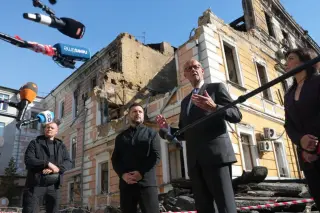
After a new wave of Russian strikes in Ukraine that killed civilians and hit civilian infrastructure, French President Emmanuel Macron announced that France will supply interceptor missiles to Ukraine to strengthen its air defenses as diplomacy continues.
Russia is reportedly building toward a single salvo of up to 200 missiles to overwhelm Ukraine’s air defenses, following a record July and a Kyiv strike that killed at least 15. Ukraine’s interceptor stockpiles—dominated by Patriot/THAAD—are stretched thin, with no quick replacements. The U.S. and allies are pursuing Patriot co-production and Europe’s Freyja program, but deliveries remain years away, leaving Kyiv reliant on existing stockpiles and international support for a potential winter defense.
Ukrainian drones hit a Russian oil refinery in the Samara region and a warehouse used by online retailer Ozon after Russia’s deadly strike on a Kryvyi Rih shopping centre killed 16. President Zelensky vowed retaliation as rescuers searched for survivors and Moscow reported casualties elsewhere.
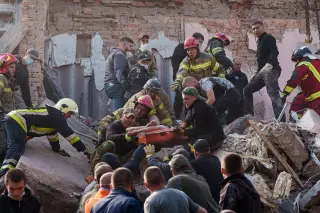
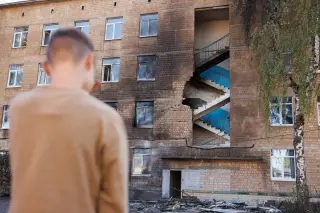
Overnight Russian missiles and drones hit Kyiv and surrounding districts, killing 16 people and injuring 33; 12 sites were struck, including homes, a school, a children’s hospital and a kindergarten. Zelenskyy called the attack one of the most cynical and large-scale in recent history and urged partners to boost air-defence support, as NATO members scrambled jets and heightened vigilance along the borders.
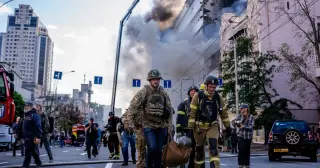
Russia launched a sustained attack on Kyiv with ballistic missiles, cruise missiles and jet-powered drones, killing at least 16 people and injuring more than 40 as Ukraine fights a shortage of Patriot interceptors. The bombardment hit industrial facilities, fuel depots, warehouses, a school, a children’s hospital and a gas facility, and even targeted a Moldova border crossing; the strike lasted over eight hours. Ukraine said 44 cruise missiles and about 170 drones were fired, with air defenses intercepting most (39 cruise missiles and 147 drones), underscoring Ukraine’s vulnerability amid limited defensive stockpiles as Moscow intensifies strikes ahead of winter.
Russia launched a major overnight missile and drone attack on Ukraine, striking Kyiv and other locations; at least 12 people were killed and 33 wounded, including a children’s hospital, as emergency crews evacuated victims from damaged buildings. Poland activated defensive measures in response to strikes near its border, while Kyiv officials urged a strong response and Zelensky condemned the assault as terror amid reports of long-range strikes on energy infrastructure.
Russian ballistic missiles struck Kyiv, killing at least six and wounding 33, damaging a nine‑storey building and a children’s hospital; in parallel, Parliament confirmed Yevhenii Khmara as defence minister, who pledges to strengthen Ukraine’s defenses, while Zelenskyy faces domestic pressure over wartime governance and the postponement of elections amid ongoing conflict.
Overnight Russian missile strikes hit Kyiv and the surrounding region, killing at least five people and injuring about 23 as apartment blocks, warehouses and a children's hospital were damaged; power was cut to thousands of properties, with rescue crews pulling survivors from rubble and authorities urging residents to seek shelter amid near-daily attacks in the Ukraine war.
Russia launched a large ballistic missile and drone assault on Kyiv shortly after midnight, striking multiple districts including a children's hospital and residential buildings, killing at least five people and injuring 23. Officials reported about a dozen attack sites, with missiles also fired toward Kyiv from Kursk, as Ukraine contends with a Patriot interceptor shortage and works to bolster its defense.
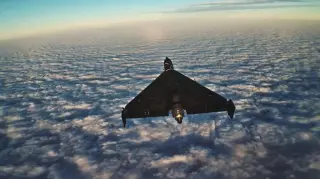
Russia launched 76 jet-powered Shahed-type drones at Ukraine on Aug. 18 (7 a.m.–6 p.m. local), with Ukrainian air defenses downing about 70; several drones reached ground targets and debris was reported in Kyiv’s Dniprovskyi district as nine air-raid alerts were issued in Kyiv and Kyiv Oblast. Russia has expanded use of faster, higher-flying Geran-3/4/5 drones—especially Geran-5, which can reach 600 km/h, 950 km range and 90 kg warhead—and has built about 10 bases along its borders to launch these drones, signaling a broader long-range strike capability.
Andy Burnham rejects Russia’s warning over Britain’s drones used in Ukraine strikes, insisting the UK will back Kyiv 100%; Moscow says consequences will follow as it warns deeper involvement could be costly, with ministers and analysts weighing NATO responses while Ukraine steps up strikes into Russia.
Britain says it will continue to support Ukraine after Russia warned of consequences over reports that Ukrainian forces used unmanned aircraft built by two UK companies in a deep strike campaign against Russia; UK officials emphasised continued assistance, while Kyiv has intensified long-range drone strikes and Moscow warned of retaliation.
Ukraine launched a major drone assault on Moscow, sending about 620 drones that forced temporary flight restrictions as Russian authorities said around 180 were downed; warehouses near Moscow were hit and injuries were reported, including a child. Britain’s MoD said it stands shoulder to shoulder with Ukraine, while Russia warned of consequences over Western involvement amid broader sanctions and ongoing war dynamics.