
Maltese Jury Acquits Yorgen Fenech in Daphne Caruana Galizia Murder Trial
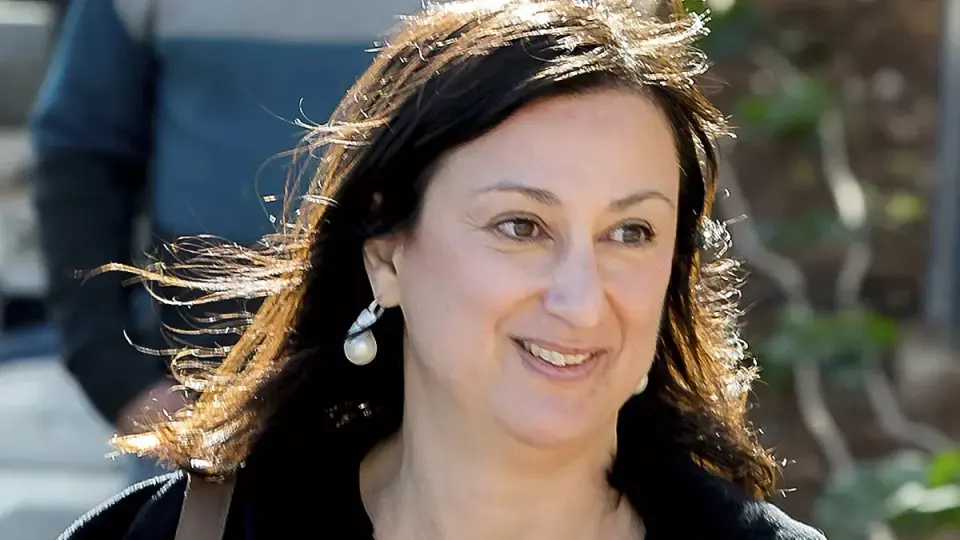
A Maltese jury has acquitted businessman Yorgen Fenech of charges related to the 2017 car bomb killing of investigative journalist Daphne Caruana Galizia. The verdict, reached by an 8-1 margin after eight hours of deliberation, marks the end of prosecutions for the last of six individuals charged in the case. While Fenech was cleared of complicity and criminal conspiracy, the acquittal has sparked outrage from the victim's family and opposition parties, who argue that institutional failures in Malta remain unaddressed. Other co-defendants, including the hitmen and bomb suppliers, have already received lengthy prison sentences, but the failure to convict the alleged mastermind has intensified calls for judicial reform and greater protection for journalists in the EU's smallest member state.
Key points
- Yorgen Fenech was found not guilty on both counts of complicity and criminal conspiracy by a jury in Valletta on September 2, 2026.
- The jury reached the verdict by an 8-1 margin after eight hours of deliberation, with Fenech denying all charges and deflecting blame toward former chief of staff Keith Schembri.
- Fenech was the last of six people charged in the plot to be prosecuted; five others have already been convicted or pardoned in connection with the murder.
- The acquittal prompted a silent march by the opposition Nationalist Party and a statement from Caruana Galizia's family stating that 'justice she deserves' was denied.
- A 2021 independent inquiry concluded that the Maltese state bore responsibility for the assassination due to a culture of impunity, though it did not find proof of direct government involvement.
Background
Daphne Caruana Galizia was killed by a car bomb on October 16, 2017, while driving near her home in Malta. She was a prominent investigative journalist known for her work on corruption, money laundering, and organized crime, including her involvement in the 2016 Panama Papers investigation. Her reporting targeted members of then-Prime Minister Joseph Muscat's inner circle and other business leaders. Her murder sparked widespread protests in Malta, leading to Muscat's resignation in January 2020. The case exposed deep-seated issues of impunity and political interference in Malta's judicial system, prompting calls for reforms to protect journalists and strengthen the rule of law in the EU's smallest member state.
How outlets are covering it
Euronews and CBS News emphasize the finality of the legal process, noting that Fenech was the last of six charged individuals to be prosecuted. They highlight the contrast between the acquittal of the alleged mastermind and the lengthy prison sentences already handed to the hitmen and bomb suppliers. BBC provides additional detail on the trial, noting that Fenech deflected blame to Keith Schembri, a former chief of staff who was never a suspect. The Telegraph source was inaccessible due to a security block, so its perspective cannot be assessed. All accessible sources agree on the core facts of the acquittal and the family's reaction, but differ in emphasis: Euronews focuses on the cultural impact of the case, while CBS News highlights the political fallout and the opposition's demand for accountability. The family's statement, cited across all sources, underscores the perception that institutional failures remain unaddressed nine years after the murder.
Why it matters
The acquittal of Yorgen Fenech in the Daphne Caruana Galizia murder case is a significant moment for press freedom and judicial integrity in the European Union. It highlights the ongoing challenges in holding powerful figures accountable for crimes against journalists, particularly in smaller EU states where political and business interests may influence the justice system. The case underscores the need for stronger protections for investigative journalists and reforms to address cultures of impunity that can enable violence against the press. The verdict may also have broader implications for Malta's international reputation and its relationship with the EU, as it raises questions about the effectiveness of its judicial system in handling high-profile corruption and murder cases.
What to watch
The acquittal of Yorgen Fenech is expected to lead to continued political and public debate in Malta about the need for judicial reforms and greater protection for journalists. The opposition Nationalist Party has already called for accountability, and the government has stated its commitment to seeing justice through. The Committee to Protect Journalists has indicated it will continue to seek accountability for all those involved in the murder. There may be further legal challenges or appeals, although the acquittal is likely to be final. The case will also likely influence future discussions about press freedom and anti-corruption measures in Malta and the EU more broadly.
- Malta jury clears suspect mastermind businessman in Daphne Caruana Galizia murder case Euronews.com
- Maltese tycoon acquitted of orchestrating murder of renowned journalist BBC
- Malta court clears businessman over murder of journalist Daphne Caruana Galizia Reuters
- Malta businessman found not guilty in car bomb killing of journalist Daphne Caruana Galizia CBS News
- Maltese tycoon cleared of car bomb murder of journalist The Telegraph
Want the full story? Read the original reporting
Read on Euronews.com