
Nepal mourns Nirmal Purja as rescue teams face perilous terrain to recover Broad Peak victims
Nirmal Purja, the British-Nepali climber famous for summiting all 14 eight-thousanders in six months, died in an avalanche on Broad Peak in Pakistan. He was one of 10 climbers killed, including six Nepalis. Nepal is in mourning, with tributes from the Prime Minister and his family. Rescue efforts are ongoing but dangerous, with bodies recovered but not yet brought down due to hazardous conditions.
Key points
- Nirmal Purja, 43, died in an avalanche on Broad Peak (8,047m) in Pakistan on July 30, 2026.
- Ten climbers were killed, including six Nepalis, one American, one Chinese, one Omani, and one Pakistani.
- Purja was a former British special forces soldier and MBE recipient, known for his 2019 record of climbing all 14 eight-thousanders in six months.
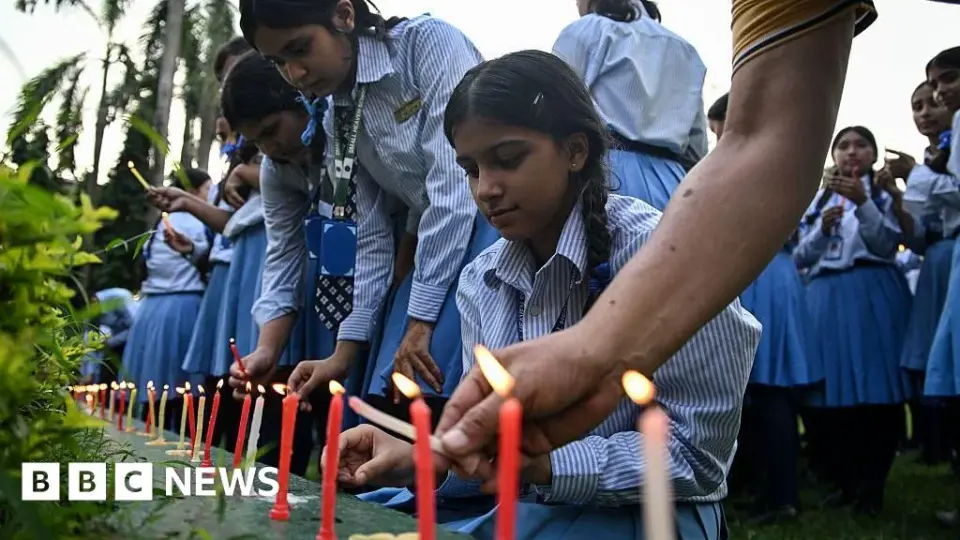
- Nepal is in deep mourning, with Prime Minister Balendra Shah and Purja's brother Kamal paying tribute; his former school in Chitwan held a candlelight vigil.
- Rescue teams have located eight bodies, including Purja's, but retrieval is hindered by dangerous terrain and frequent avalanches; a helicopter long-line operation has been requested but may not be approved by Pakistani military pilots.
- Other notable climbers killed include Pur Bahadur Gurung (Yukta), who summited Everest 10 times, and Kili Pemba Sherpa, part of the historic 2021 winter K2 ascent.
Background
Purja gained international fame after a 2021 Netflix documentary chronicled his record-breaking climb of the 14 eight-thousanders. He had pledged to highlight the skills of Nepali Sherpa guides. In 2024, he faced sexual misconduct allegations, which he denied. The avalanche occurred during a narrow, risky summer climbing window on Broad Peak, a peak known for its difficulty and history of fatalities.
How outlets are covering it
BBC and CNN emphasize the emotional impact in Nepal, highlighting tributes from the Prime Minister, family, and schoolmates. CNN provides detailed insights into the rescue challenges, quoting rescuer Sirbaz Khan on the dangers of the terrain and the request for a helicopter long-line operation. Explorersweb focuses on the logistical and ethical complexities of the recovery, noting that while families want bodies returned, the risks to rescuers are high, and some families have already begun funeral rituals. All sources agree on the facts of the deaths and the identities of the victims but differ in emphasis: BBC on mourning, CNN on rescue logistics, and Explorersweb on the ethical dilemmas of recovery.
Why it matters
The death of Nirmal Purja, a global icon in mountaineering, underscores the extreme risks of high-altitude climbing, even for the most experienced climbers. It highlights the ongoing dangers in the Karakoram range and the complex challenges of rescue operations in remote, hazardous terrain. The incident also brings renewed attention to the contributions and recognition of Nepali Sherpa guides in the mountaineering community.
What to watch
Rescue teams will continue efforts to recover the remaining bodies, potentially using a helicopter long-line operation if approved by Pakistani authorities. The families of the deceased will continue to mourn, with some having already begun funeral rituals. The mountaineering community will likely reflect on the risks of climbing in the Karakoram range and the importance of recognizing Sherpa guides.
- 'Your legacy will live forever': Nepal mourns climber Nirmal Purja BBC
- World-renowned mountaineer Nirmal Purja among 10 killed in Pakistan avalanche CNN
- Pakistan teams search on foot for remains of climbers as weather grounds helicopters AP News
- Purja’s Body Found; Safety Concerns for Broad Peak Searchers Explorersweb »
- Noted climber Nirmal Purja among 10 dead in avalanche in Pakistan - officials Reuters
Want the full story? Read the original reporting
Read on BBC