
Nepal-Tibet Floods: Glacier Collapse Leaves 675 Dead, 2,400 Missing as Secondary Floods Loom
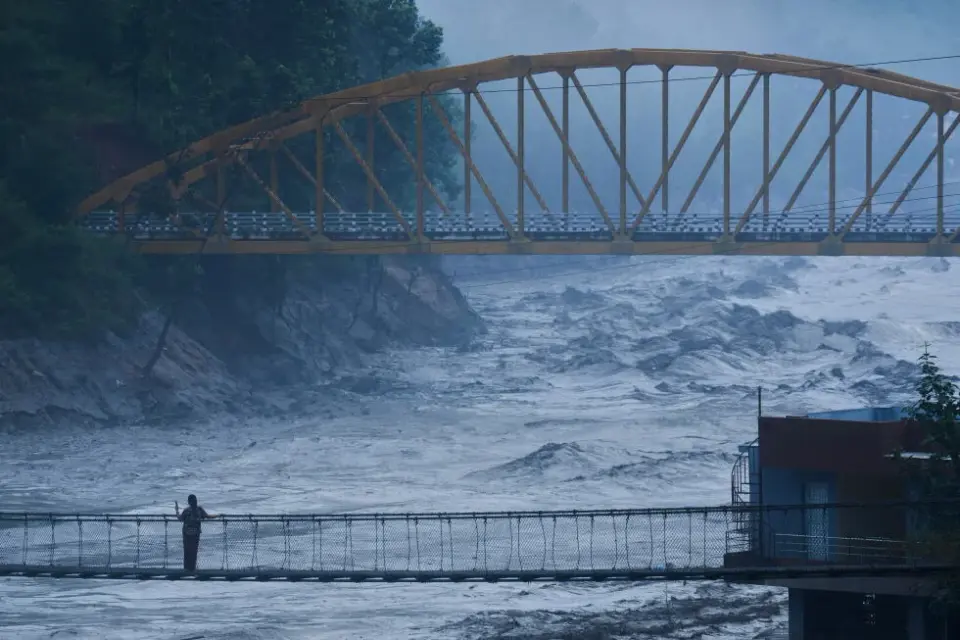
A glacial collapse in the Himalayas triggered catastrophic flash floods across the Nepal-Tibet border on August 26, 2026. At least 675 people have died, with over 2,400 missing. Rescue efforts are in their fifth day, but authorities warn of further flooding from debris-dammed rivers.
Key points
- At least 675 people have died in Nepal, with over 2,400 missing; Tibet reports 16 dead and 546 missing, including 261 foreigners from 23 countries.
- The disaster was caused by a glacial collapse, not an earthquake, which registered as a magnitude 5.2 seismic event and sent debris 100km downstream.
- Nepal’s disaster agency warns of rising flood levels near the Bhote Koshi River, while experts fear secondary floods from debris-dammed sections of the Trishuli River.
- The US pledged $3.6 million in humanitarian aid, including food for 10,000 households, and reported about 90 Americans missing.
- Rescue operations involve 18,700 personnel, including military and police, searching through devastated tourist and pilgrimage routes.
Background
This event follows a pattern of increasing glacial hazards in the Himalayas due to warming temperatures and thawing permafrost, as noted in earlier coverage of similar ice-and-rock avalanches. The disaster struck a region heavily used by Hindu pilgrims traveling to Mount Kailash, a sacred site requiring months of planning and significant physical effort to reach.
How outlets are covering it
AP News and BBC emphasize the ongoing rescue efforts and the risk of secondary flooding, with BBC detailing the breakdown of missing foreigners in Tibet. The New York Times focuses on the human element, highlighting the pilgrimage context and the loss of individuals seeking spiritual awakening. CBS News provides survivor accounts, describing the flood as a 'tsunami' of dark water and debris. All sources agree on the glacial collapse cause, but BBC and AP stress the immediate danger of rising water levels, while NYT contextualizes the tragedy within the broader trend of climate-driven glacial instability.
Why it matters
The disaster underscores the escalating risks of climate change in high-mountain regions, where glacial collapses can trigger catastrophic floods. It highlights the vulnerability of remote communities and tourists in the Himalayas, and the need for improved cross-border monitoring and early warning systems to mitigate future disasters.
What to watch
Authorities will continue rescue operations and monitor river levels for secondary floods. International aid, including the US pledge, will be deployed to affected areas. Long-term, there will be increased focus on glacial hazard monitoring and climate adaptation strategies in the Himalayas.
- Nepal warns of more possible floods as communities grapple with devastation AP News
- Nepal floods latest: Girl, 5, reunited with parents after dramatic rescue from flash flood debris BBC
- Pilgrims to Flood-Stricken Nepal Sought the Divine at Sacred Mountain The New York Times
- Rescuers race to find thousands missing after Nepal-China glacier collapse Reuters
- California couple recounts surviving deadly Nepal flood: "I knew I was going to die" CBS News
Want the full story? Read the original reporting
Read on AP News