
Paris Courts Fast-Track Justice as France’s October 17 Riots Enter Legal Phase
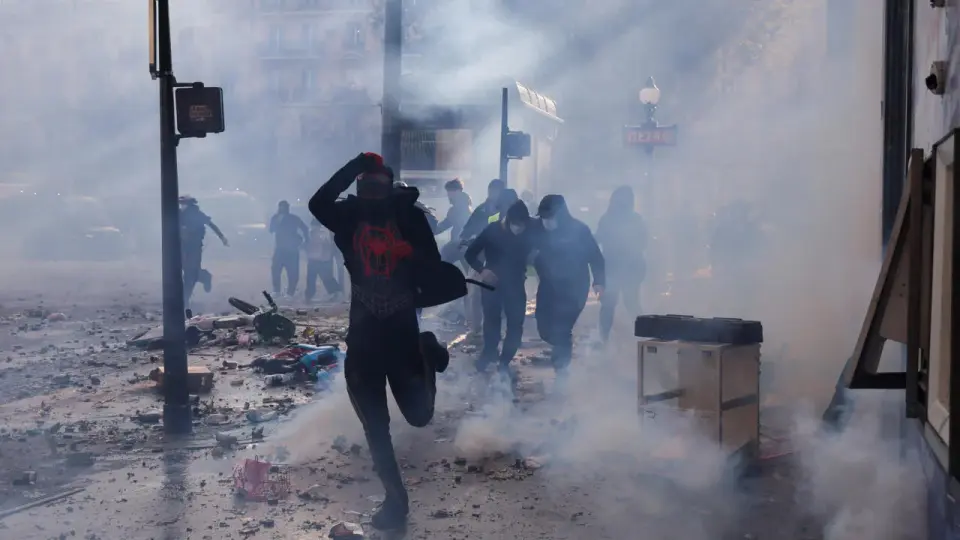
Fast-track trials have begun in Paris for hundreds of individuals arrested during the violent October 17 protests, with judges issuing suspended sentences and immediate imprisonment for offenses ranging from looting to assaulting police. While the government demands 'utmost firmness' in response to the unrest, legal defense groups criticize the speed of proceedings and political interference, as far-right parties across Europe leverage the chaos to push anti-immigration agendas.
Key points
- 2,513 people were detained on October 17 alone, leading to the use of four courtrooms in Paris to expedite trials within a 20-hour window.
- Justice Minister Gérald Darmanin called for 'utmost firmness,' welcoming the imprisonment of 149 rioters, while lawyers condemned the government's attempt to steer judicial outcomes.
- Defendants faced varied charges; some were acquitted or received suspended sentences due to clean records, while others received immediate prison time for theft or violence.
- Looted Apple devices in Lille were remotely disabled and tracked, highlighting the futility of stealing high-tech goods during the riots.
- Far-right leaders in France, Germany, and Italy used the unrest to blame immigration and state failure, with US officials echoing these narratives to influence domestic politics.
Background
These trials follow the nationwide unrest that began as peaceful protests over the cost of living and public services but escalated into widespread looting and clashes with police. The events have drawn comparisons to previous French unrest, such as the 2023 riots following the police shooting of Nahel Merzouk, though the current scale of arrests and the political polarization are more intense. The archive notes that France has faced significant public order challenges in recent years, including the 2021 Channel disaster trials, but the October 17 events mark a new level of coordinated violence and political exploitation.
How outlets are covering it
France 24 and The New York Times provide detailed, on-the-ground accounts of the chaotic but procedural nature of the fast-track trials, highlighting the tension between judicial independence and political pressure. The New York Post focuses on the technological aspect of the looting, noting that stolen Apple devices were immediately disabled and tracked, a detail that underscores the futility of the looting. The Guardian offers a broader European perspective, emphasizing how far-right parties in France, Germany, Italy, and the US are weaponizing the riots to promote anti-immigration and authoritarian agendas, contrasting with the government's focus on law and order. While France 24 and The New York Times focus on the individual cases and judicial process, The Guardian and The New York Post highlight the political and technological consequences, respectively.
Why it matters
The fast-track trials signal a shift in France's approach to public order, prioritizing speed and severity over traditional legal processes. This could set a precedent for future unrest and raise concerns about judicial independence. Additionally, the political exploitation of the riots by far-right parties across Europe and the US could influence upcoming elections and immigration policies, potentially leading to more restrictive measures and a polarized political landscape.
What to watch
Further trials are expected to continue in the coming days, with more defendants facing charges for their involvement in the October 17 riots. The political fallout will likely intensify as far-right parties continue to leverage the unrest to push their agendas, potentially leading to more restrictive immigration and public order laws. The government will likely face increased pressure to maintain order while balancing civil liberties, and the international community will watch how France's response influences similar situations in other countries.
- 'I didn’t know it was theft': Trials begin in Paris following October 17 violence France 24
- What’s Behind the Protests in France and What Happens Next WSJ
- French Apple store looters get unpleasant surprise on stolen iPhones: ‘Disabled and being tracked’ New York Post
- Europe’s far right seizes on protest violence to push authoritarian anti-immigration agenda The Guardian
- What We Saw at Fast-Track Trials of Riot Suspects in France The New York Times
Want the full story? Read the original reporting
Read on France 24