
Pyongyang vows to resume loudspeaker warfare and deploy weapons after border mine crisis
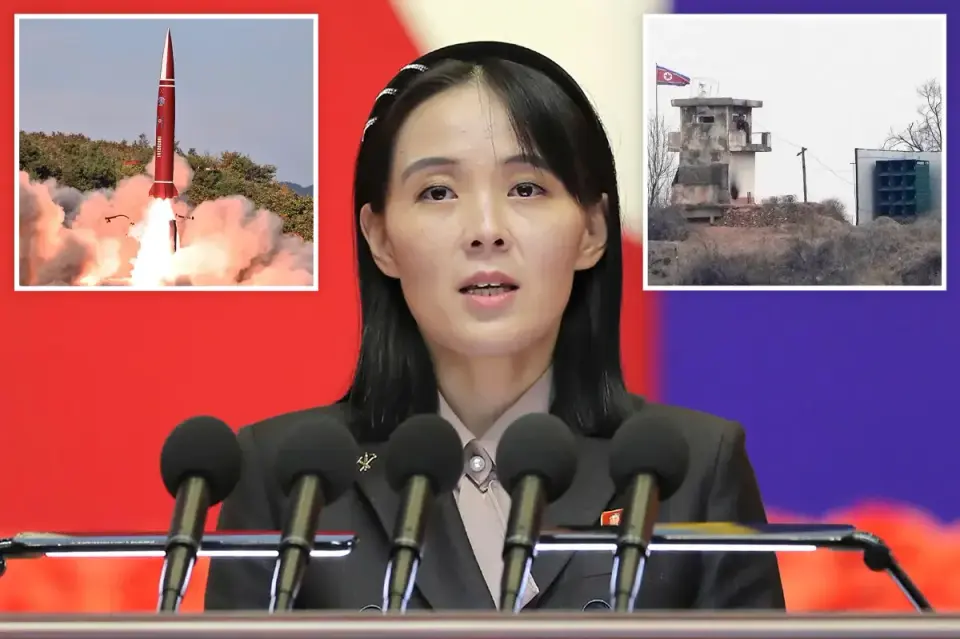
North Korea has threatened to restart Cold War-era loudspeaker propaganda broadcasts and deploy additional tactical weapons along the border with South Korea. This escalation follows a dispute over September 21 mine blasts that injured three South Korean soldiers, which Pyongyang denied but Seoul blamed on North Korean mines. Kim Yo Jong accused Seoul of crossing a 'red line' with warning shots and broadcasts since August, framing the current border situation as a grave result of South Korean 'reckless behavior.'
Key points
- Kim Yo Jong, sister of North Korean leader Kim Jong Un, accused South Korea of firing warning shots and issuing warning broadcasts numerous times since August, claiming these actions crossed a 'red line' after the September 21 mine blasts.
- North Korea stated it is considering deploying more 'tactical strike means' along the southern border as a preemptive and suppressive measure against contingencies.
- Pyongyang also threatened to resume loudspeaker broadcasting against the Republic of Korea, a psychological warfare tactic previously halted by South Korea's liberal government under President Lee Jae-Myung to improve ties.
- South Korea formally blamed North Korea-planted mines for the September 21 explosions that injured three soldiers, urging Pyongyang to apologize and remove other mines, while North Korea denied responsibility and warned of strong retaliation.
- South Korea's military reported that North Korean soldiers violated the border's military demarcation line 50 times this year during fortification works, prompting Seoul to fire warning shots and make warning broadcasts in response.
Background
Recent months have seen a sharp rise in tensions along the Korean border, which remains one of the world's most heavily fortified. North Korea has intensified weapons testing, including an AI-enabled intermediate-range missile launch in October, and has added mines, barbed wire fences, and anti-tank barriers as part of a policy to terminate ties with South Korea. This escalation occurs amid a broader diplomatic standoff where Pyongyang demands the end of US-led sanctions and joint military drills before engaging in denuclearization talks, while South Korea advocates for a step-by-step approach with incentives. The current border crisis follows a series of incidents, including the September 21 mine blasts, which have strained the fragile peace efforts initiated by South Korea's new liberal government.
Why it matters
The threat to resume loudspeaker broadcasts and deploy more weapons signals a potential return to high-intensity confrontation along the Korean border, reversing recent diplomatic efforts to improve inter-Korean relations. This escalation could destabilize the region, increase the risk of accidental conflict, and complicate broader US-North Korea diplomatic efforts, as Pyongyang uses military posturing to pressure Washington for concessions. The situation also highlights the fragility of the peace process and the potential for rapid escalation from minor border incidents to major military standoffs, as seen in previous years when similar incidents nearly led to armed conflict.
What to watch
Watch for any immediate military response from South Korea to North Korea's threats, including potential retaliatory actions or diplomatic protests. Monitor for any actual resumption of loudspeaker broadcasts or deployment of new weapons along the border, which could trigger a cycle of escalation. Follow developments in US-North Korea diplomacy, as Pyongyang's military posturing may be aimed at pressuring Washington for concessions. Also, watch for any further border incidents or violations that could exacerbate tensions and lead to a more serious confrontation.
Want the full story? Read the original reporting
Read on New York Post