
Brake Failure Triggers Deadly Fuel Tanker Explosion in Iran
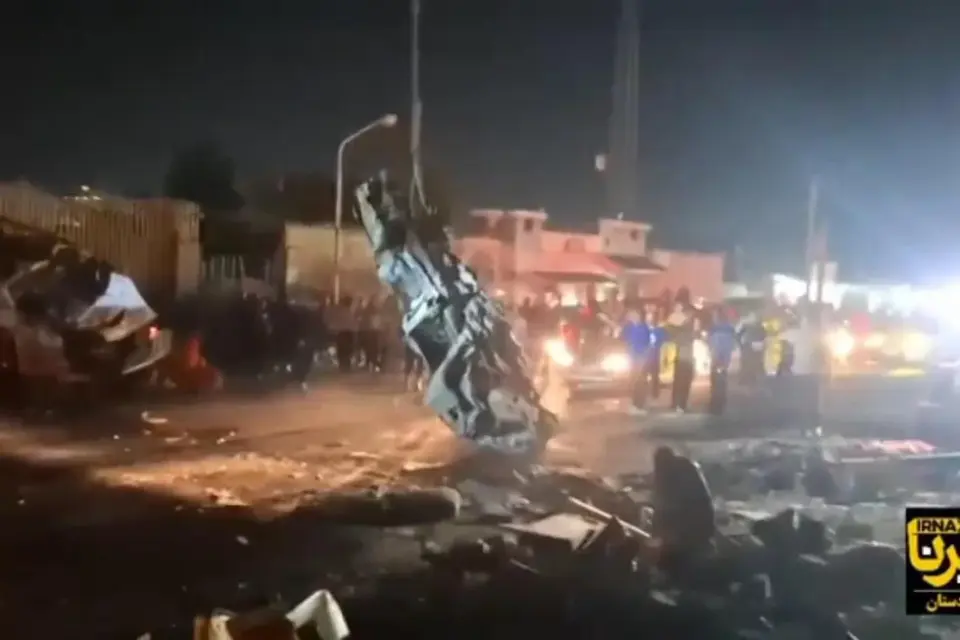
A fuel tanker exploded near Sanandaj, western Iran, killing at least 10 to 11 people and injuring others. Officials attribute the crash to a faulty braking system. The incident highlights ongoing concerns about road safety and vehicle maintenance in Iran.
Key points
- A fuel tanker crashed and exploded on the Hamedan-Sanandaj highway in western Iran, killing between 10 and 11 people and injuring 6 to 7 others, depending on the source.
- Iranian state media and local officials cited a technical fault in the tanker’s braking system as the cause of the collision, which occurred near a traffic police station.
- The explosion ignited a fire that was quickly brought under control, but the incident resulted in significant casualties, with injured individuals transported to hospitals.
- The crash occurred approximately 400 kilometers west of Tehran, in the Kurdish region, echoing a similar deadly tanker-bus collision in the same area in 2018.
- Iran faces a high rate of road fatalities, with experts and international organizations citing poor road conditions, aging vehicle fleets, and lax traffic enforcement as contributing factors.
Background
This incident follows a pattern of severe road accidents in Iran, particularly involving fuel tankers and buses. In 2018, a similar collision near Sanandaj killed 15 people. Our archive notes that Iran’s road safety challenges are persistent, with high fatality rates attributed to infrastructure and vehicle issues. While other recent explosions in Europe and Asia have drawn attention to security threats, this event is strictly a traffic accident, underscoring the ongoing domestic safety crisis in Iran.
How outlets are covering it
AP News and Al Jazeera report slightly different casualty figures, with AP citing 11 deaths and 7 injuries, while Al Jazeera reports at least 10 deaths and 6 injuries, noting that figures were based on initial reports. Both outlets agree on the cause: a faulty braking system. Al Jazeera emphasizes the broader context of poor road conditions and aging fleets, citing UNICEF and local reports, while AP focuses on the immediate impact and the historical precedent of a similar crash in 2018. The Indian Express source was inaccessible due to a server error, providing no additional perspective.
Why it matters
The incident underscores the persistent and deadly nature of road safety issues in Iran, where high fatality rates are linked to vehicle maintenance and infrastructure. It highlights the need for improved traffic enforcement and vehicle safety standards to prevent similar tragedies. The recurring nature of such accidents in the same region suggests systemic issues that require long-term solutions.
What to watch
Authorities are likely to investigate the specific circumstances of the crash, including the condition of the vehicle and the road. There may be calls for stricter enforcement of traffic rules and vehicle inspections. The incident may also prompt discussions about improving emergency response and road safety infrastructure in Iran.
- A fuel tanker explosion in west Iran kills 11 and injures 7 AP News
- Fuel tanker explosion after traffic accident kills 10 in Western Iran, state media says Reuters
- Fuel tanker blast in western Iran kills at least 10 Al Jazeera
- World News Today Live Updates: IRGC claims new attacks on US warships over naval blockade The Indian Express
- Iran Jonesboro Sun
Want the full story? Read the original reporting
Read on AP News