
Europe scrambles to define response as Russian hybrid attacks escalate
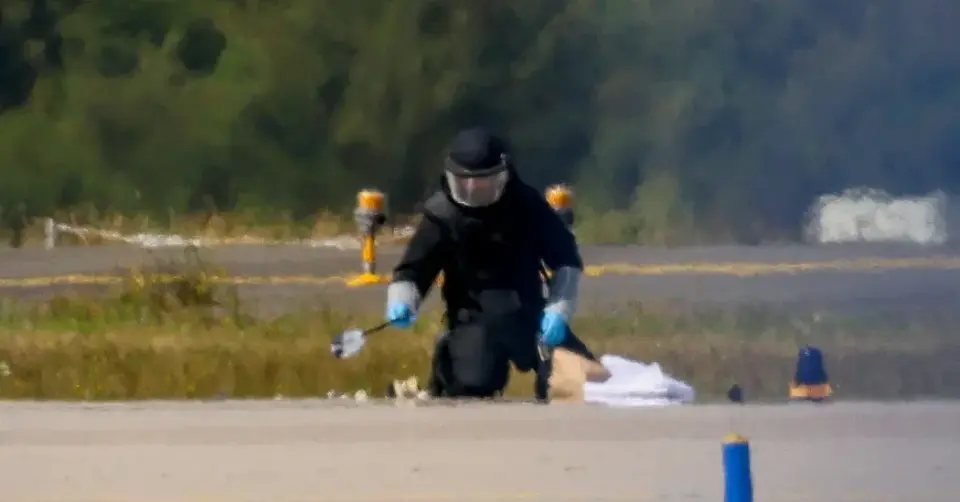
European nations are intensifying their response to a rising wave of Russian sabotage and drone attacks, but remain divided on how to retaliate without triggering a wider war. While the EU prepares for potential mass-casualty scenarios, NATO and national governments debate the balance between deterrence and avoiding escalation.
Key points
- Moscow is using ambiguous, hard-to-attribute attacks, such as the explosive drone found at Leipzig-Halle airport in August, to fracture European support for Ukraine.
- The EU is quietly preparing for a 'nightmare scenario' involving multiple casualties, with discussions on emergency response teams and funding mechanisms.
- Poland has accelerated its defense buildup, spending 5% of GDP on defense and maintaining 220,000 soldiers, citing constant drone and sabotage threats.
- Recent incidents include a Russian frigate firing flares at a Danish helicopter, sabotage at factories, and plots to kill European armaments executives.
- There is significant debate over whether the EU should create new security protocols or rely on existing NATO frameworks to avoid duplication and confusion.
Background
This escalation follows a series of warnings from Russian President Vladimir Putin in September 2026, where he denied military plans against Europe but simultaneously accused Baltic states of violating the rights of Russian speakers. These tensions occurred amid a broader diplomatic push, including a U.S. invitation for Putin to attend the G20 summit in December, which divided European leaders over the normalization of Russian aggression.
How outlets are covering it
The New York Times emphasizes the strategic dilemma Europe faces: how to retaliate against 'shadow war' tactics without overreacting and triggering a larger conflict. POLITICO highlights internal EU divisions, noting that some capitals fear the EU is overstepping its security role and duplicating NATO functions, while others argue for a unified 'emergency security protocol.' CBN focuses on the tangible military response, highlighting Poland's massive defense spending and the vulnerability of the Suwalki Gap. France 24 frames the issue through the lens of Black Sea spillover, questioning if Europe is adequately prepared for the 'war on the cheap' that drones enable, especially as U.S. support wanes.
Why it matters
The inability to reach a unified European response risks leaving NATO's eastern flank vulnerable to further destabilization. If a major attack causes significant casualties, the lack of pre-agreed protocols could delay critical decision-making, potentially allowing Russia to achieve its goal of breaking European will to support Ukraine.
What to watch
A landmark 'European Security Strategy' is expected in early November, which may include proposals for a 'European Security Council' and emergency protocols. Meanwhile, EU ambassadors are continuing restricted-format talks to prepare for potential mass-casualty events, while Poland and other eastern flank states continue to ramp up military readiness.
- As Putin Wages Shadow War, Europe Looks for a Way to Hit Back The New York Times
- EU quietly braces for nightmare scenario of multiple-casualty hybrid attack POLITICO.eu
- Russia puts lives at risk across Europe with hybrid attacks, Kallas says Reuters
- Russian Drone Strikes and Sabotage Push NATO's Eastern Flank to High Alert CBN.com
- The Debate - Black Sea and black ops: How exposed is Europe to Ukraine war spillover? France 24
Want the full story? Read the original reporting
Read on The New York Times